
Reviewed · MOSTAR TOURS
Mostar Street Art & Graffiti Tour
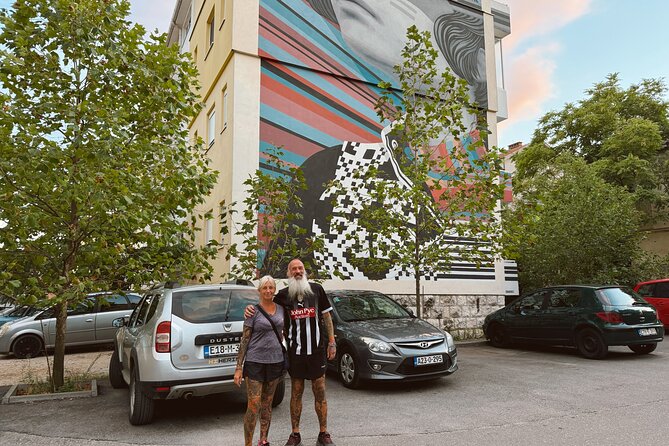
Mostar’s street art is not just decoration. It records damage, protest, memory, and the city’s younger creative voice. This 90-minute walking tour links murals and graffiti with the places around them, including Hotel Neretva, OKC Abrašević, and Spanish Square.
I like the access to local artist stories, especially the personal memories connected with the people who painted the walls. I also like the small maximum of eight people, which gives you room to ask questions and take photos without being pushed along.
The main consideration is that this is entirely on foot and focused on context rather than a long list of polished attractions. If you want only Mostar’s famous Old Bridge, this is not that tour. If you want to understand another side of the city, it is a strong choice.
Key points to know before you book
- War scars become part of the artwork: Hotel Neretva and Spanish Square show how destruction and division remain part of Mostar’s public spaces.
- A local artist leads the walk: Expect stories about the people, festivals, creative process, and daily life behind the murals.
- The route ends at Spanish Square: The walk begins near Hotel Bristol and finishes by the Mostar Gymnasium and Monument to the Spanish Fighters.
- The group is capped at eight: This is useful when you want to ask questions or pause for photographs.
- The tour lasts about 90 minutes: It fits neatly into a short stay or a day already centered on Mostar’s Old Town.
- The price is $36.01 per person: That is a fair rate if you value interpretation and local access, not just sightseeing stops.
Why Mostar’s graffiti deserves your time
Most visitors come to Mostar for the Old Bridge, the stone lanes, and the river. Those sights matter, but they tell only part of the city’s story. On this walk, walls become evidence of what happened after the war and of how people continue to shape the city.
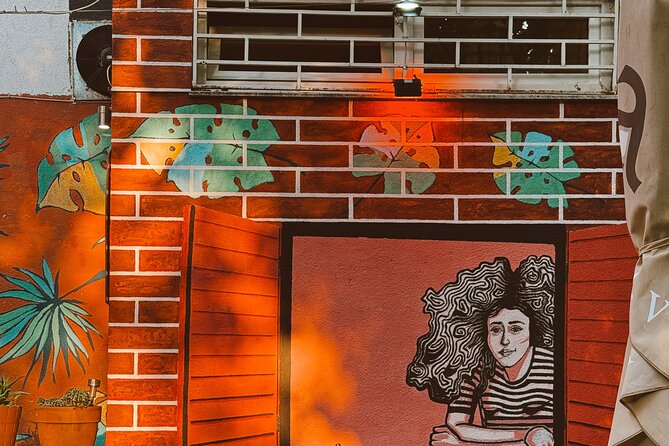
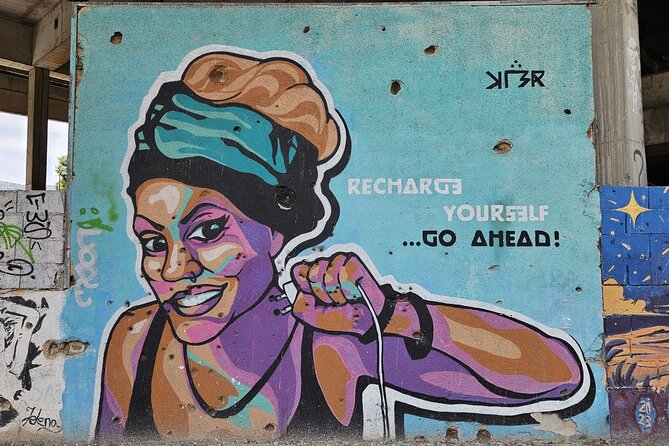
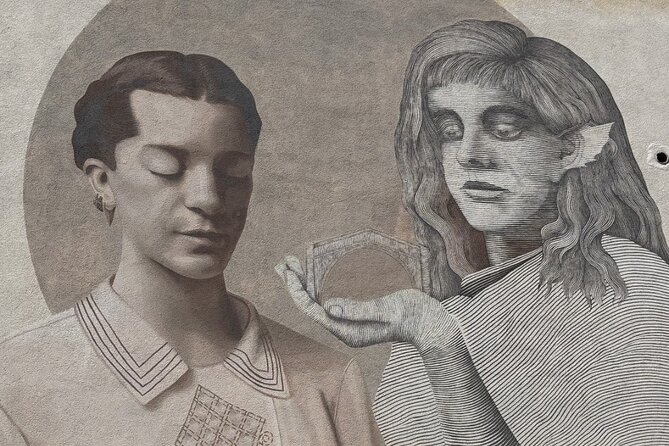
You will see formal murals beside rough tags, stencils, damaged buildings, and restored architecture. That contrast is important. Some works are made for festivals or public display. Others feel more spontaneous, tied to protest, youth culture, or the simple wish to reclaim a neglected wall.
I like tours that explain why a piece is in a particular place. A mural beside a former hotel means something different from a stencil near a cultural center. Your guide helps connect the image to its setting, so you are not simply taking photographs of colorful walls without knowing what they mean.
The experience also adds a human layer. You hear about the artists, how the work was made, and what it is like to live beside it every day. Those details can make a short walk feel more personal than a standard architecture tour.
A few more Mostar trips to weigh up
- SARAJEVO STREET ART TOUR (art, history & mystery) – sARTajevo!
★ 5.0 · 18 reviews
Starting near Hotel Bristol and Hotel Neretva
The meeting point is Hotel Bristol, at Mostarskog bataljona bb. From there, the tour moves toward Hotel Neretva, one of Mostar’s most striking buildings.
Hotel Neretva was created in the Austro-Hungarian period and is known for its decorative elegance. After the war, it was left in ruins for years. The building became a powerful symbol of destruction, and its damaged shell was often surrounded by raw graffiti and informal street art.
The hotel has now been restored to reflect its original style. That makes the stop especially useful: you can consider the difference between a building preserved as a historical monument and walls used as an open canvas.
You spend about 10 minutes here. That is enough time for an introduction and photographs, but not enough for a lengthy architectural visit. Admission is included because the tour takes place from the street, and the focus is on the building’s public story rather than an interior tour.
I would pay attention to the contrast between restoration and street expression. The restored hotel represents an official effort to bring back an earlier version of Mostar. The graffiti represents a less formal, present-day response to the city. Seeing both together gives you a better sense of how Mostar presents and debates its past.
Forty minutes with Mostar’s painted facades
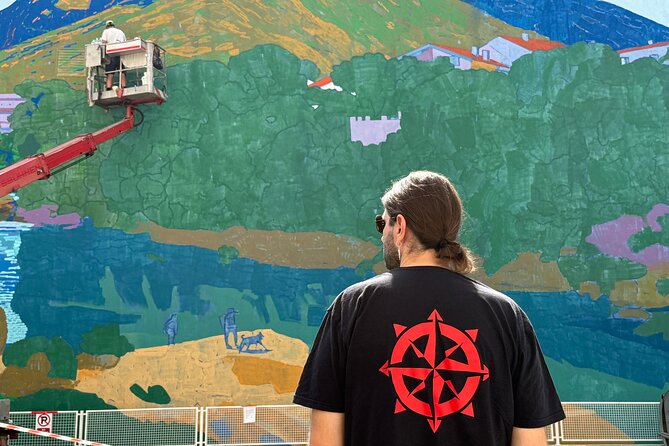
The longest part of the tour is spent at the Fassadenmalerei facades, with about 40 minutes devoted to the murals and the stories around them. This is where the guide’s role matters most.
You will hear about the artists behind the work, the creative process, and the festivals connected with the murals. You also get personal memories from the period when the paintings were made, including time spent with artists during breaks.
That kind of detail is the reason to book a guided walk rather than simply search for street art on your own. You can see a large painting without knowing who made it, why it was commissioned, or how local people reacted to it. Here, the art is presented as part of daily life.
The title Fassadenmalerei refers to facade painting, which fits the setting. Expect to examine several building fronts rather than one museum-style collection. The work may vary in scale, mood, and finish. Some pieces could feel polished and deliberate. Others may have a rougher urban quality.
You should bring your camera, but give yourself time to look before photographing. Ask about the artists, the festivals, and the memories tied to the walls. The tour includes time for questions and photos, so you do not need to choose between listening and taking pictures.
This stop may be the best part of the tour for anyone interested in the human side of public art. It is also the section most dependent on your guide’s ability to tell stories clearly. The available information does not provide the guide’s name, but it does identify the guide as a local artist who can speak about both the artwork and the wider history of the region.
OKC Abrašević, where art meets community
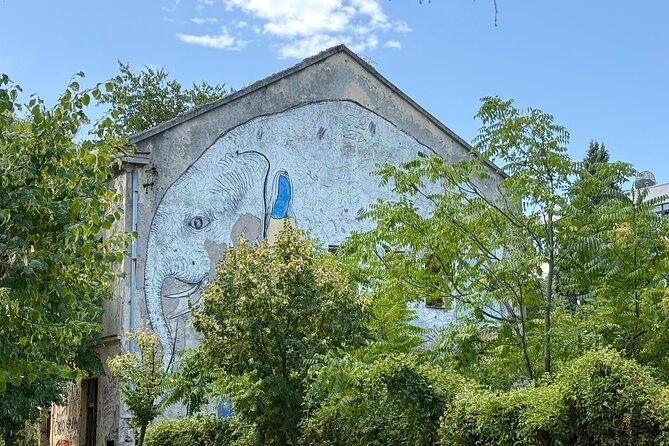
The walk continues to OKC Abrašević, a cultural hub with about 10 minutes set aside for the visit. OKC Abrašević is more than a performance or event venue. It has been a meeting place for young creatives, activists, and artists.
The surroundings are described as raw and urban, with experimental murals and unfinished textures. That setting matters. Street art often loses some of its force when removed from the rough spaces that gave it meaning. Here, the art remains connected to a working cultural community.
A 10-minute stop will not give you a full program of the center’s activities, and no food, drinks, or transport are included. Think of this as a focused introduction to the place and its role in Mostar’s creative life.
I would use this stop to ask how the center supports local artists and why certain walls have become important. The answer may help you understand the difference between art placed in a gallery and art made in a shared neighborhood space.
For visitors with an interest in music, youth culture, activism, or independent art, OKC Abrašević adds range to the tour. It keeps the walk from being only about war damage and old buildings. You also see how people create something new in the city now.
Same country, a completely different kind of day:
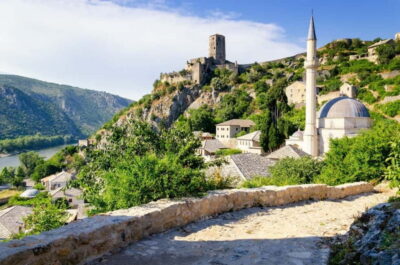
- Dubrovnik: Kravica Waterfalls, Mostar and Pocitelj Day Trip
★ 4.5 · 3,045 reviews - From Mostar: Blagaj, Počitelj & Kravice Waterfalls Day Tour
★ 5.0 · 1,310 reviews - From Mostar: Kravice Waterfalls, Blagaj, & Počitelj
★ 5.0 · 565 reviews - Herzegovina Day Tour from Mostar: Blagaj, Pocitej, Kravice falls (Join Us! :D)
★ 5.0 · 372 reviews
Spanish Square and Mostar’s divided past
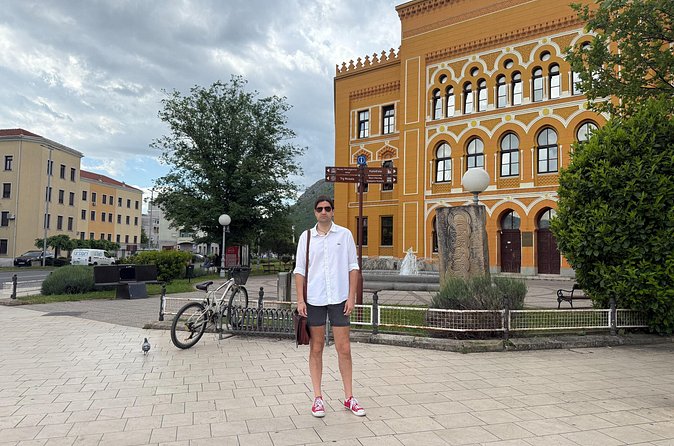
The final stop is Spanish Square, where the tour ends. You spend about 30 minutes in this area, giving you time to examine several important landmarks and ask final questions.
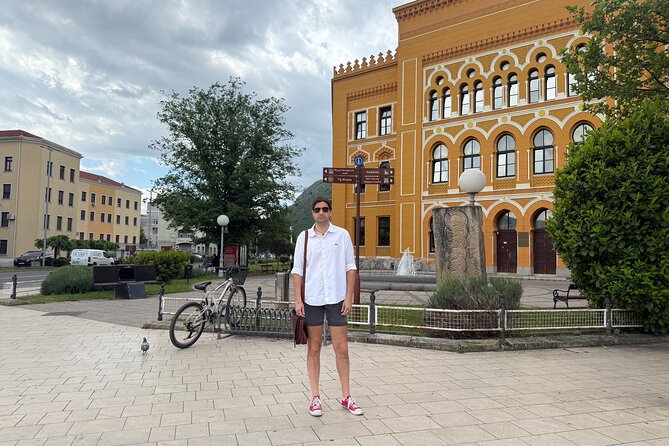
The Mostar Gymnasium is an elegant Austro-Hungarian building that reflects the city’s multicultural past. Nearby, graffiti and stencils show how younger artists use the same public space for expression and protest.
This is one of the most thoughtful parts of the route because the setting brings several periods together. You have the old gymnasium, the wartime division of the city, the Monument to the Spanish Fighters, and newer street art made by people living with that history.
The monument honors Spanish fighters, and the guide explains how the area changed from a place marked by wartime division into a setting for expression, protest, and quiet reflection. The point is not to present a simple before-and-after story. Mostar’s public spaces can carry several meanings at once.
You may find the graffiti here more direct than the facade paintings. Stencils and small pieces can make pointed statements without the scale of a festival mural. Look closely at placement. A mark beside a monument or public building can be a comment on the site itself.
Ending at Spanish Square is practical. You are not returned to the starting point, so plan your next activity from the square rather than Hotel Bristol. The end point is Španski trg, 88000 Mostar.
What $36.01 buys you
The price is $36.01 per person. For a walk lasting about an hour and a half, that may seem high if you judge it only by time. I think the value depends on what you want from the experience.
You are paying for a local artist’s interpretation, not entry to a museum or a vehicle excursion. The stops themselves have free admission, and the route uses public streets. The main product is the explanation: the people behind the murals, the local memories, the festivals, and the regional context.
That makes the tour good value for a first-time visitor who would otherwise pass these places without understanding them. It can also work well for someone who has already seen the Old Town and wants a different view of Mostar.
The small group helps justify the cost. With no more than eight people, you should have a better chance to hear the guide and ask questions than on a large group walk. The tour also includes time for photos, which is useful when the artwork itself is one of your main reasons for booking.
I would be less quick to recommend it if you are mainly seeking a cheap orientation walk. The 90-minute format is short, and there is no food, drink, or transportation included. Its value is strongest for people who care about art, memory, architecture, and local voices.
The tour currently carries a 5.0 rating from 19 ratings, with every rating recommending it. The strongest praise focuses on the guide’s ability to explain both the art and the wider history of the region. One visitor who had only 24 hours in Mostar found it worthwhile, which is a useful clue for anyone on a tight schedule.
Who will enjoy this walking route
I would choose this tour if you want to see Mostar beyond the Old Bridge and Old Town. It suits you especially well if you like photography, public art, modern history, architecture, or stories about how cities recover and change.
It is also a good fit for a short visit. The tour lasts about 90 minutes, so you can place it before or after a walk through the historic center. Since the tour starts at Hotel Bristol and ends at Spanish Square, check your day’s route and allow time to walk to your next stop.
The experience may suit solo visitors because the group is small and questions are part of the format. Couples and small groups can also expect a more personal walk than a large city tour.
You should be comfortable walking for the full duration. Transportation is not included, and the route is fully on foot. The activity is near public transportation, service animals are allowed, and most people can participate according to the supplied access information.
The tour is offered in English. Confirmation arrives when you book, and free cancellation is available if you cancel at least 24 hours before the start time. Changes or cancellations made less than 24 hours before the local start time are not accepted for a refund.
How to get the most from the 90 minutes
Read a little about Mostar’s Old Town before you go, but do not expect this tour to repeat the usual bridge-and-bazaar commentary. Its strength is the city beyond the best-known postcard views.
Wear comfortable shoes and keep your camera ready. The tour is short, but the stops are visually dense. At the facade paintings and Spanish Square, you may want a few quiet minutes to study details before moving on.
Use the question time. Ask about the artists, the festivals, the building owners, and how local people feel about the murals. The guide’s personal contact with artists is one of the most unusual features of the walk, so make use of it.
I would also schedule the tour early in your Mostar visit if possible. The route can change how you read the city afterward. A wall, monument, or damaged facade may carry more meaning once you have heard the stories attached to it.
Should you book the Mostar Street Art and Graffiti Tour?
Book it if you want a compact, thoughtful look at Mostar’s public art and the people behind it. The mix of restored Austro-Hungarian architecture, war-scarred buildings, experimental murals, and cultural spaces gives you much more than a hunt for colorful backdrops.
The tour is particularly useful if you have only a day in Mostar or if you have already seen the Old Town. The small group, local artist guide, English-language format, and time for questions make it a practical choice for curious visitors.
Skip it if you want a longer art workshop, indoor gallery visits, or transport between sights. This is a walking conversation through public spaces, and its appeal depends on your interest in context.
For most visitors who want to understand how Mostar’s past and present appear on its walls, $36.01 is a reasonable price for the perspective it adds.
FAQ
Where does the Mostar Street Art and Graffiti Tour begin?
The tour begins at Hotel Bristol, Mostarskog bataljona bb, Mostar 88000, Bosnia and Herzegovina.
Where does the tour finish?
The tour ends at Španski trg, also called Spanish Square, in Mostar.
How long does the tour last?
The tour lasts approximately 1 hour and 30 minutes.
How much does the tour cost?
The listed price is $36.01 per person.
What language is the tour offered in?
The tour is offered in English.
Is the tour conducted on foot?
Yes. Transportation is not included, and the tour is fully on foot.
What places are visited?
The route includes Hotel Neretva, the Fassadenmalerei facades, OKC Abrašević, and Spanish Square.
Who leads the tour?
A local artist leads the tour and explains the murals, festivals, creative process, and local context.
How many people can join the tour?
The tour has a maximum group size of eight people.
Can I cancel for a full refund?
Yes. You can cancel at least 24 hours before the experience start time for a full refund. Cancellations or changes made less than 24 hours before the start time are not accepted for a refund.
Just added around Mostar
- Mostar Old Town Walking Tour – Best Seller★ 5.0 · 4 reviews
- Stolac, the crossroads of civilisations, private walking tour.★ 5.0 · 9 reviews
- Neretva kayak canoe safari★ 5.0 · 12 reviews
- Private Transfer from Mostar to Split★ 5.0 · 3 reviews
- Mystical Sutjeska National Park★ 5.0 · 3 reviews
- Private Transfer Mostar–Dubrovnik English Speaking Local Driver★ 5.0 · 13 reviews
- Mostar gastro and historical treasures★ 5.0 · 6 reviews
- Mostar War Heritage Walking Tour★ 5.0 · 6 reviews
Mostar Tours, compared.
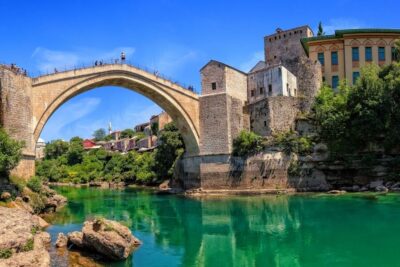
Kravica Waterfalls, Mostar and Pocitelj Day Trip
Read our review →
Blagaj, Počitelj & Kravice Waterfalls Day Tour
Read our review →
Herzegovina Day Tour from Mostar: Blagaj, Pocitej, Kravice falls (Join Us! :D)
Read our review →
Mostar and Kravice Waterfalls Full-Day Tour from Split
Read our review →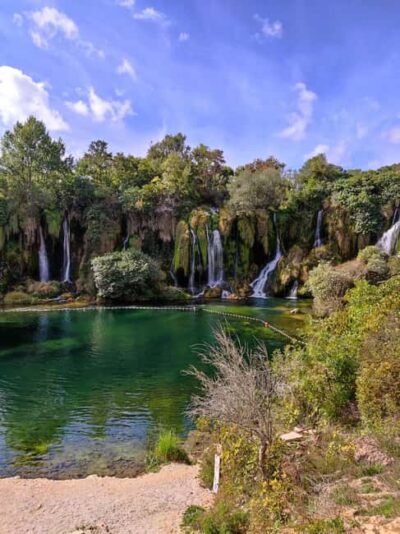
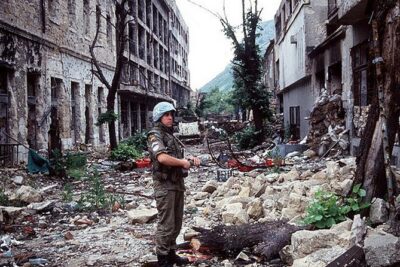
Break-up of Yugoslavia & The War in Mostar: Life Under Siege
Read our review →Browse the lists this tour appears in