
Reviewed · JAJCE AND PLIVA LAKES TOURS
CENTRAL BOSNIA | A medieval tour (Jajce + Travnik + Pliva lakes)
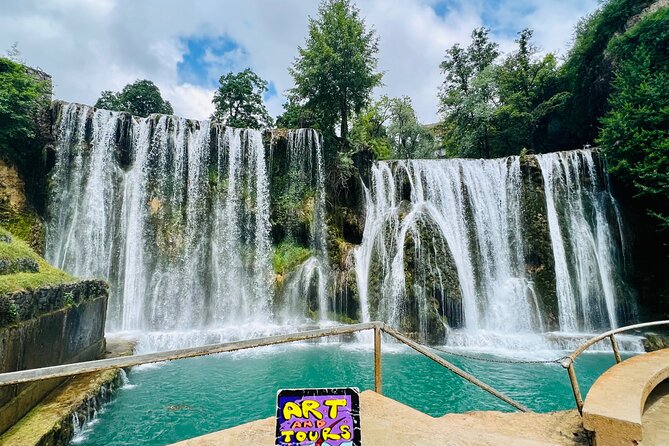
Jajce gives this day its big moment: a 17-meter waterfall plunging through the middle of a medieval town. Add Travnik’s Ottoman streets, two old fortresses, Pliva Lakes, and a line of tiny watermills, and you get a full but worthwhile look at central Bosnia.
I like the small maximum group of five, which should make the long road day more personal, and I like the mix of history and outdoor scenery. Guide Muki is praised as an excellent driver with strong knowledge of the area. The tradeoff is time: ten hours from Sarajevo means several stops are brief, and entrance tickets and lunch cost extra.
Key points to know before booking
- Jajce’s waterfall is the day’s signature sight, dropping 17 meters where the Pliva and Vrbas Rivers meet.
- Travnik combines Ottoman and medieval Bosnia, with the Šarena Džamija and Old Fort close together.
- The tour uses a small group format, with no more than five people.
- Pliva Lakes and Mlincici add a slower nature break after the castle visits.
- The $90.31 price includes bottled water, but not entry tickets or lunch.
- Allow the full day, since the tour starts at 8:00 a.m. in Sarajevo and returns to the same meeting point.
Why this central Bosnia day is worth your time
Sarajevo is the natural base for seeing central Bosnia, but Jajce and Travnik feel like a different chapter of the country. The road takes you away from the capital toward towns shaped by medieval Bosnian kings, Ottoman rule, rivers, mills, and mountain water.
This is not a lazy sightseeing day. You will cover several places over about ten hours, with roughly 30 minutes at some sights and an hour at the lakes and mills. Still, the route works because the stops vary. You are not looking at one fortress after another all day. You move from urban history to religious architecture, then to castles, a waterfall, and lakeside scenery.
I especially like the balance between Travnik and Jajce. Travnik gives you a compact historical introduction. Jajce supplies the strongest visual rewards. Pliva Lakes and Mlincici then give you room to slow down before the return drive.
A small group of up to five matters on a long excursion. It can make roadside timing and short walking visits easier than they would be with a large coach. The tour is offered in English, and Muki is specifically praised for driving well and explaining the area clearly. Since the day involves a lot of road time, a capable driver is not a minor detail.
More jajce and pliva lakes tours in Sarajevo:
- From Sarajevo: Travnik, Jajce, Pliva Lakes & Watermills Trip
★ 4.9 · 519 reviews - From Sarajevo: Jajce, Travnik, Pliva Lake, & Watermills Tour
★ 4.8 · 317 reviews - Jajce, Travnik and Pliva watermills – Day Tour from Sarajevo
★ 5.0 · 295 reviews
Travnik’s old town and the story of Lašva
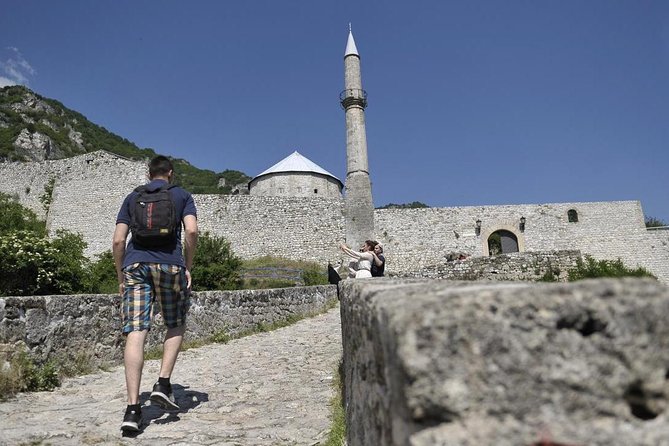
Your first stop is Travnik’s Stari Grad, or Old Town. The area was known in the medieval Bosnian Kingdom as the župa Lašva province, and it was mentioned by Bela IV of Hungary in 1244. Travnik’s fortress, known as Kaštel, later became the center of the old town area.
You have about 30 minutes here, with no admission charge listed for the stop. That is enough to get your bearings, see the historic setting, and understand why Travnik was important, but it is not enough for a slow, detailed exploration of every corner.
The useful thing about a guided visit is the change in Travnik’s role over time. It was part of the medieval Bosnian world, then became linked to Ottoman expansion in the region. The town was first mentioned by the Ottomans during their conquest of nearby Jajce, which connects the two destinations rather than treating them as unrelated day trips.
Expect a compact visit rather than a full museum-style tour. If you enjoy standing quietly in one old town for an hour, this pace may feel quick. If you want a broad introduction before moving on, the 30-minute stop fits the day well.
Šarena Džamija and Ottoman Travnik
The Šarena Džamija, or Multi-Colored Mosque, is one of Travnik’s most unusual buildings. It was built in 1757 and is easy to recognize because of the bright painted patterns and flower designs on its exterior.
The decoration is not limited to the walls outside. The mosque also has carved wood details, and its prayer room is on the first floor. The ground floor was used for business, an arrangement found in only two mosques in Bosnia and Herzegovina.
You have about 15 minutes here, and there is no admission fee listed. That makes this a quick architectural stop rather than a long religious visit. The short timing is worth keeping in mind if you want to study the paintings closely or take your time with the details.
A local belief says the mosque stores hairs of the Prophet. That belief is part of what makes the building significant, but you should treat it as a religious tradition rather than a fact that can be independently verified from the tour information.
For me, the mosque is valuable because it changes the tone of the morning. The fortress tells you about power and defense. Šarena Džamija shows you Ottoman-era art, trade, faith, and everyday town life in a much smaller space.
Travnik’s medieval Old Fort
The Old Fort is one of the best-preserved medieval fortifications in Bosnia and Herzegovina. Historians generally place its construction in the second half of the 14th century or the first half of the 15th century, though the original builder and exact construction date are not known.
King Tvrtko II Kotromanić is often suggested as the builder, while King Stjepan Dabiša is also named as a possibility. That uncertainty is useful history in itself. Medieval records rarely provide the neat construction story that modern visitors expect.
You have 15 minutes here, and the entry ticket is not included. The short visit means you should focus on the main structure and the views rather than expecting a long walk through the entire fortification.
The Old Fort also shows how later periods left their mark on older buildings. It is not simply a frozen medieval monument. Its form reflects changes made over time, which is one reason it works well as an introduction to Bosnia’s layered past.
More travnik day trips in Sarajevo:
- From Sarajevo: Travnik, Jajce, Pliva Lakes & Watermills Tour
★ 5.0 · 213 reviews - Jajce, Travnik, Pliva lake and Watermills Tour
★ 5.0 · 104 reviews - Travnik, Jajce & Pliva Lakes Day Tour From Sarajevo (fees Incl.)
★ 5.0 · 50 reviews - Sarajevo: Jajce Waterfall, Travnik & Pliva Lake Tour
★ 5.0 · 40 reviews
Jajce Fortress and the last medieval kings
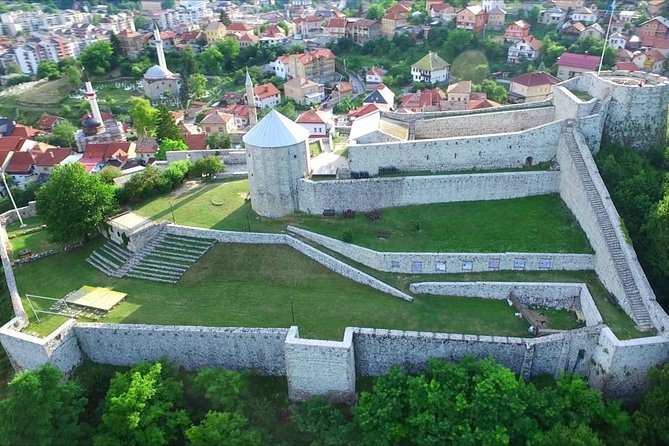
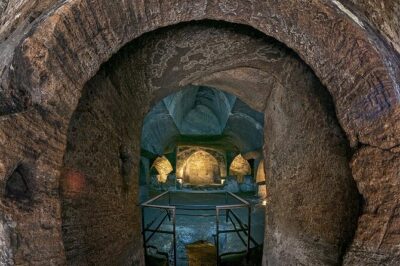
Jajce’s fortress sits above town at about 470 meters. The medieval city dates back to the 13th century, while the fortress itself was built over several centuries around the remains of a castle from the mid-15th century.
This is the most politically important stop on the route. In 1421, the royal court was moved to Jajce by King Tvrtko II and King Stjepan Tomašević. On the southwest side of the fortress, a portal carries a royal coat of arms connected with that period.
You have about 30 minutes at the fortress, and admission is extra. That timing gives you a useful look at the walls and royal remains, but it will not feel like a full archaeological visit. Wear shoes you can walk in comfortably, since the stop involves exploring an old fortified site rather than simply viewing it from the road.
I like the way Jajce makes medieval Bosnian history tangible. You are not only hearing names such as Tvrtko II or Stjepan Tomašević. You are seeing the defensive setting and the remains of a royal center above the modern town.
The main limitation is the compressed schedule. If you want every tower, wall, and historical detail, you will wish for more time. The benefit is that the fortress is paired with the waterfall, so the visit never becomes a long stretch of stone walls alone.
Pliva Waterfall in the center of Jajce
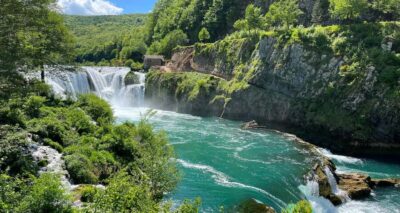
The Pliva Waterfall is the visual centerpiece of the day. At 17 meters high, it drops in the heart of Jajce where the Pliva River meets the Vrbas River.
That meeting creates an estuary, a rare feature for a waterfall in an urban setting. You can view the fall from above or stand closer to the water, and the sound and spray make this stop feel very different from the quiet fortresses.
You have 30 minutes, with no admission fee listed. That is enough for photographs and a close look, but water levels and viewing conditions can affect how dramatic the fall appears. The tour also requires good weather, so poor conditions can lead to a different date or a refund.
This is the place where the excursion earns its scenic appeal. The waterfall is not outside town after a long hike. It is part of Jajce itself, with the medieval center rising around it. That close connection between nature and old buildings makes the stop memorable.
Pliva Lakes, a change of pace after the castles
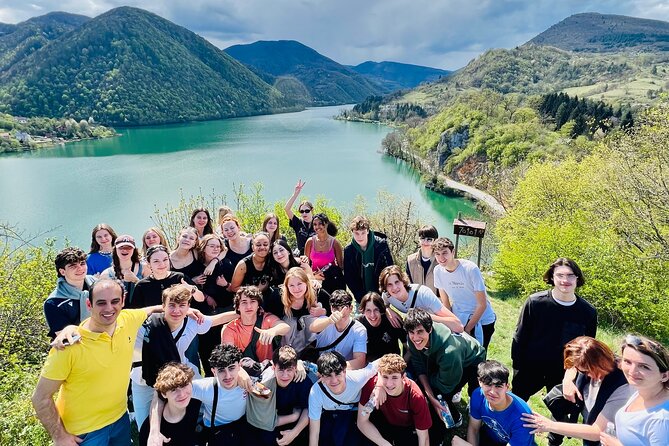
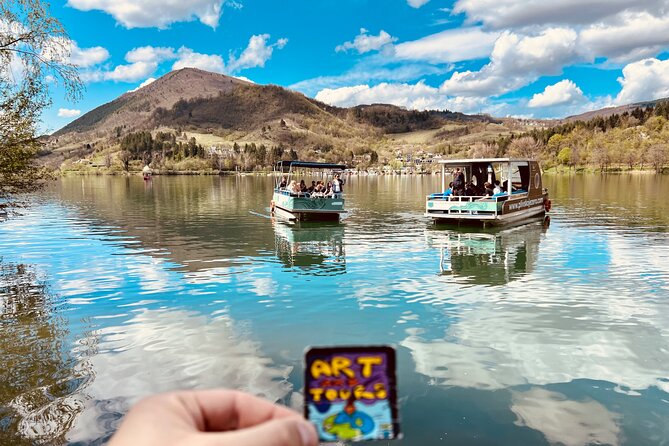
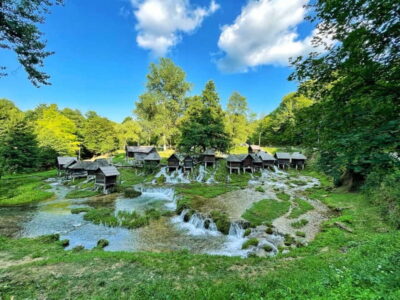
A few kilometers from Jajce, the Great and Small Pliva Lakes offer a calmer hour. The area is suited to walking, fishing, kayaking, canoeing, swimming, cycling, and volleyball. Public barbecue facilities are also available along the shore.
The tour does not promise a specific activity or equipment rental, so think of this as a scenic break rather than a scheduled sports session. You might walk beside the water, take photographs, or simply enjoy the change from stone walls and town streets.
An hour is a sensible amount of time for a short visit. It lets you see the lakes without turning the day into a full outdoor outing. If you hoped to swim or kayak, ask your guide what is practical on the day rather than assuming those activities are part of the package.
This stop adds value because it keeps the itinerary from becoming history-heavy. After Travnik and Jajce, the lakes give your eyes and feet a rest. It also shows how the same water system shapes both the region’s scenery and its old industries.
Mlincici watermills beside the Pliva
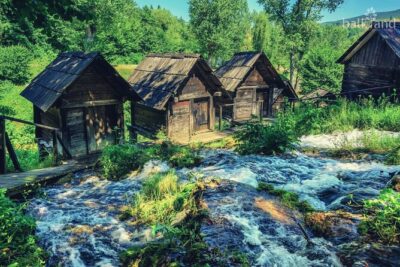
Mlincici is a group of small watermills along the Pliva near the lakes. They no longer mill grain, but their shingled roofs and simple wooden forms make them one of the most charming stops of the day.
You have about an hour here. The mills are modest, not grand monuments, and that is exactly their appeal. They suggest the practical side of life along the river, where moving water once powered local work.
The contrast with Jajce Waterfall is pleasing. The waterfall is loud and dramatic, with a 17-meter drop. Mlincici is smaller and quieter, with little mills set along the water. The tour description’s playful image of the mills looking like homes for local trolls is not far from the mood you may find there.
Do not expect active milling or a working industrial site. You are seeing a preserved attraction rather than a functioning mill complex. Still, the stop gives the day a human scale. Medieval fortresses tell you who ruled. The mills hint at how ordinary people used the river.
What the $90.31 price really covers
At $90.31 per person, this tour is priced as a full-day small-group excursion from Sarajevo. The value comes from having transport, an English-language guide, bottled water, and a route linking several major sights in one day.
The group limit of five is important. You are not paying only for a seat in a large vehicle. You are also buying a more personal format, which can make explanations and timing easier to manage. Muki is praised as an excellent driver, and that matters on a ten-hour road trip through central Bosnia.
The price does not include entry tickets. Travnik’s listed stops and the waterfall do not charge admission in the information provided, but the Old Fort and Jajce Fortress list admission as not included. You should also budget separately for lunch.
Local cuisine is part of the plan, but lunch is not listed among the included items. Ask about the lunch stop and prices before ordering if you are watching your spending. Bottled water is included, which is useful, but it does not cover the full cost of food or paid attractions.
The tour is often booked about 44 days ahead, so advance planning is sensible. Free cancellation is available if you cancel at least 24 hours before the start time. Last-minute changes are not accepted, and poor weather or failure to reach the minimum number of participants can lead to a new date or a full refund.
Who should book this tour?
I would choose this day if you have a base in Sarajevo and want to see more of Bosnia without arranging several separate trips. It suits you especially well if you want a first look at medieval history, Ottoman architecture, waterfalls, and lakes in one package.
It is also a good match for small parties who value a smaller vehicle and direct contact with a guide. The maximum of five keeps the format intimate, and the named guide feedback points to careful driving and useful local explanations.
You may want a different plan if you dislike long days or prefer slow museum visits. The stops at Šarena Džamija and the two fortresses are short, and the tour covers a lot of ground. Travelers who want long hikes, extended swimming, or serious kayaking should also note that the lakes are visited for about an hour, with no specific water activity included.
Bring comfortable shoes, a camera, and some money for entry fees and lunch. The tour starts at Đulagina 2 in Sarajevo at 8:00 a.m. and returns there at the end, so plan for a full day away from your hotel.
Should you book the medieval central Bosnia tour?
Book it if you want the most varied day trip from Sarajevo: a colorful Ottoman mosque, two medieval fortresses, Jajce’s waterfall, Pliva Lakes, and old watermills. The mix is the strongest reason to go, and the small group cap adds real value to a long driving day.
Skip it if you need a relaxed schedule or want to explore every castle in detail. For most people with one free day, though, the $90.31 cost is fair once you account for the route, transport, bottled water, and small-group format. Just set aside extra money for tickets and lunch, and expect the day to be full rather than leisurely.
FAQ
Where does the tour start?
The tour starts at Đulagina 2, Sarajevo 71000, Bosnia and Herzegovina.
What time does the tour begin?
The scheduled start time is 8:00 a.m.
Where does the tour end?
The activity ends back at the starting meeting point in Sarajevo.
How long does the experience last?
The tour lasts approximately 10 hours.
What language is the tour offered in?
The tour is offered in English.
How many people can join the tour?
The activity has a maximum of five participants.
Is bottled water included?
Yes. Bottled water is included.
Are entrance tickets included?
No. Entry tickets are not included in the tour price.
Is lunch included?
Lunch is not listed among the included items. The tour includes an opportunity to sample local cuisine, so you should budget separately for the meal.
Can I cancel for a full refund?
Yes, if you cancel at least 24 hours before the experience start time. Cancellations made less than 24 hours in advance are not refunded.
Just added around Sarajevo
- Sarajevo Under Siege: A War History Tour★ 5.0 · 10 reviews
- WAR TUNNEL – Sarajevo’s only way of a communication during the WAR – Top secret★ 5.0 · 12 reviews
- Private Full Day Safari Tour★ 5.0 · 8 reviews
- Ultimate Gastro Experience★ 4.5 · 14 reviews
- Mysterious Visoko Pyramids Driving and Walking Tour★ 5.0 · 7 reviews
- Secret Tito’s Bunker/Konjic Tour★ 5.0 · 4 reviews
- The Secret Lifeline: Sarajevo’s War Tunnel Tour★ 5.0 · 6 reviews
- Crossroads of Cultures – Sarajevo Walking Tour★ 5.0 · 8 reviews
Jajce and Pliva Lakes Tours, compared.
Jajce, Travnik and Pliva watermills – Day Tour from Sarajevo
Read our review →
Travnik, Jajce & Pliva Lakes Day Tour From Sarajevo (fees Incl.)
Read our review →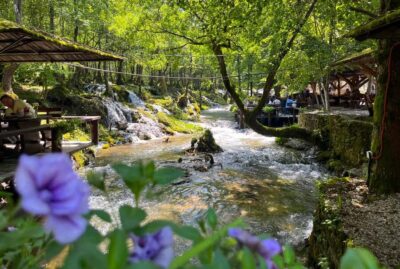
Bosnian Kingdom Capitals: Travnik & Jajce Tour from Sarajevo
Read our review →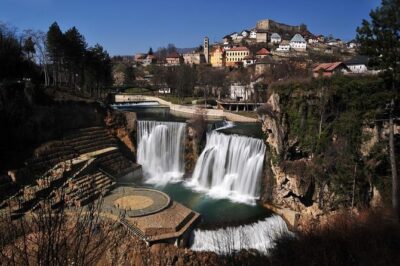
Sarajevo to Zagreb: One-Way Tour via Jajce, Travnik, Pliva Lake and Watermills
Read our review →Browse the lists this tour appears in