
Reviewed · SARAJEVO SIEGE TOURS
Sarajevo Under Siege: A War History Tour
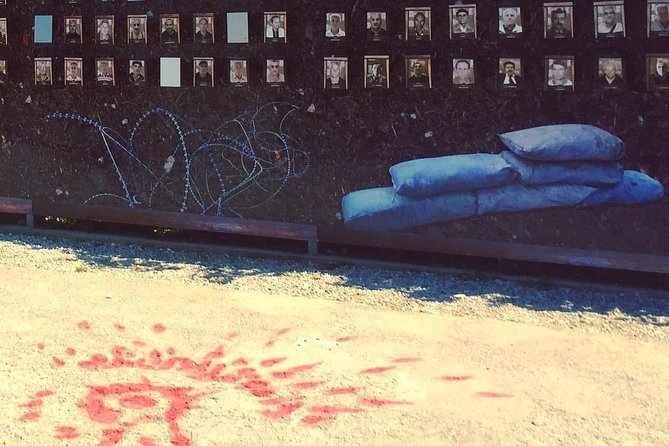
Sarajevo’s wartime story becomes painfully clear when you move from the White Fortress viewpoint to the narrow Tunnel of Salvation. This three-hour private tour links major sites with the lived experience of people who survived the Siege of Sarajevo, including stories about childhood, shelling, hunger, and daily fear.
I like the personal focus, especially the stop in the guide’s old neighborhood and the visit to the place where his father was buried. I also like the route’s range: you get a city panorama, Sniper Alley, the airport tunnel, the destroyed-and-restored City Hall, and a look at today’s political divisions.
The main consideration is emotional weight. This is not a light sightseeing drive, and some stops deal directly with death, bombing, cemeteries, and wartime propaganda. You should also budget for the separate entrance fee of €10.25 for adults or €5.25 for students.
Key points to know before you go
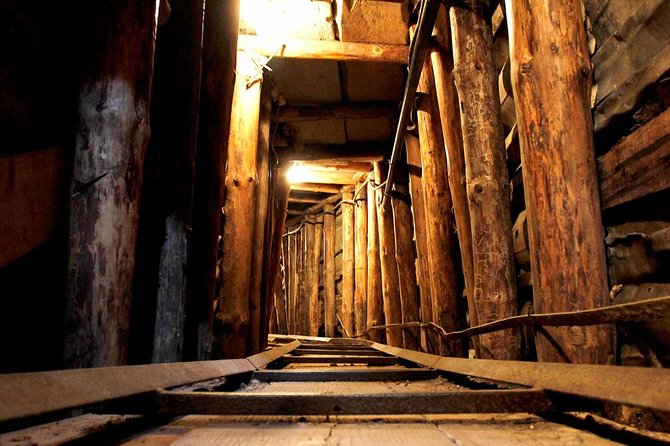
- The Tunnel of Salvation takes about 1 hour and 20 minutes: You walk through part of the original wartime passage, see artifacts, and watch a short documentary.
- The guide adds personal testimony: The route includes the neighborhood where the guide grew up, played, and lived through the siege.
- The White Fortress gives you the essential geography: From above, you can see why Sarajevo’s position mattered and how the surrounding hills shaped the siege.
- The route includes Sniper Alley and Lukavica: These are not just photo stops. They help explain how the city was divided and controlled.
- This is a private tour: Only your own group takes part, with an air-conditioned vehicle, private transport, and WiFi on board.
- The price is $30.10 per person before admission: For a three-hour private experience, that is fair value if you want context and a guide rather than a quick museum visit.
Sarajevo’s wartime story begins above the city
The White Fortress is a strong place to begin because it gives you the basic geography before the tour turns to personal stories. Built originally in the 16th century, the fortress sits high above Sarajevo and opens to a broad view of the city.
From here, your guide explains Sarajevo’s strategic position from the Ottoman period through the 1990s. The hills and valleys are not abstract background. They help you understand how the city could be surrounded, watched, and shelled during the Siege of Sarajevo.
You have about 30 minutes here, and admission is included. Bring sensible shoes, since this is a historic fortress viewpoint rather than a polished indoor attraction. The stop is also weather-dependent, as the whole experience requires good weather.
I like starting here because it gives you a visual map in your head. Later, when the vehicle follows the roads connected with the siege, you can place the airport, the city center, the hills, and the former front lines more clearly.
More sarajevo siege tours in Sarajevo:
- Fall of Yugoslavia, Sarajevo War Tour with Tunnel of Hope Museum and Frontlines
★ 5.0 · 1,314 reviews - Sarajevo: Tunnel Museum Yugoslavia War Tour with War Veteran
★ 5.0 · 1,111 reviews - Tunnel Museum: Bosnian & Yugoslav Wars Tour with War Veteran
★ 5.0 · 551 reviews
A neighborhood story near Zetra Olympic Hall
The stop near Zetra Olympic Hall changes the tone. Instead of hearing only dates and military movements, you hear about the guide’s own neighborhood during the war.
The area lies near the former maternity hospital, which was heavily bombed. Your guide describes childhood under siege, the sound and danger of shelling, and the daily struggle to stay alive in a city cut off from normal supplies.
The tour also includes the place where the guide’s father was buried and the street where the guide grew up and played during the war. That detail matters. You are not simply being shown a historic address. You are being asked to connect a public conflict with one family’s private loss.
The stop itself lasts about 15 minutes, so it is brief. Its value comes from the guide’s ability to explain what the setting means. Guides named in the tour feedback include Suvad and Evan, and the strongest praise centers on personal anecdotes, clear answers, and respectful storytelling.
This is a moment to listen rather than photograph. The subject calls for quiet attention, and some people may find it difficult. That is part of the point, but you should know the emotional tone before booking.
Seeing Sniper Alley as an ordinary city street
The vehicle then follows one of Sarajevo’s most infamous wartime roads, known as Sniper Alley. During the siege, people crossing this major avenue risked sniper fire. A trip for water, food, work, or medical help could become a life-threatening act.
Today, the road is surrounded by modern buildings and regular city activity. That contrast is useful, but it can also make the past hard to picture. Your guide fills in the gap with accounts of residents who crossed under fire or waited for a safer moment.
This part is not presented as a dramatic stunt. Its value lies in seeing how ordinary city infrastructure became part of the war. A main avenue, a bridge, an apartment block, or a market route could all become dangerous.
Because you remain in the vehicle for this section, it is easier physically than walking a long route. It also lets the guide connect several parts of Sarajevo without wasting time on foot. The tradeoff is that you get less time to stop and study the street itself.
Walking part of the Tunnel of Salvation
The Tunnel of Salvation is the central stop, and the tour allows about 1 hour and 20 minutes here. Dug beneath the airport runway in 1993, the passage connected besieged Sarajevo with the outside world.
The tunnel carried food, medicine, and other supplies into the city. It also offered a route for people trying to get through the blockade. The passage was narrow and difficult, but it gave Sarajevo a link to the world beyond the siege.
You walk through a section of the original tunnel, view wartime objects, and watch a short documentary about the siege. Those three parts work together well. The physical passage gives you a sense of confinement. The artifacts connect the site to real use. The film supplies wider context.
I would give this stop your full attention. It is the place most likely to turn a general understanding of the Bosnian War into something concrete. You do not need to rely only on a guide’s explanation because the tunnel itself shows the limits and ingenuity of life inside the besieged city.
The admission fee is separate from the tour price. Adults pay €10.25, while students pay €5.25. At $30.10 per person for the tour, the additional fee is worth including in your budget from the start.
If you dislike confined spaces, keep that in mind. The tour description confirms that you walk through part of the original tunnel, but it does not give further details about the walking conditions. Ask the provider in advance if you have a specific concern.
A few more Sarajevo trips to weigh up
- Sarajevo Full Day Tour: History, Culture, Nature, War & Olympics
★ 5.0 · 27 reviews - Sarajevo genuine walking tour: Steps through history
★ 5.0 · 22 reviews - SARAJEVO STREET ART TOUR (art, history & mystery) – sARTajevo!
★ 5.0 · 18 reviews - BOSNIAN PYRAMIDS TOUR (nature, history & archeology)
★ 5.0 · 17 reviews
Lukavica and the war’s unfinished political story
The drive through Lukavica adds a difficult but important layer. The area was once part of the front line and now belongs to Republika Srpska, one of the two entities created within postwar Bosnia and Herzegovina.
Your guide explains how the Dayton Peace Agreement reshaped Sarajevo and divided the country between the Federation of Bosnia and Herzegovina and Republika Srpska. You also see graffiti and murals that glorify wartime figures such as Ratko Mladić.
This is where the tour moves beyond the question of what happened during the war. It asks how people remember the war now, and how identity and politics still shape public space.
I value this stop because it does not pretend that peace erased every disagreement. It shows you that a ceasefire and a political settlement are not the same as full reconciliation. The subject is sensitive, and your guide’s tone matters. The available feedback describes the tour as respectful and focused on empathy, which is especially important here.
Do not expect this part to offer a simple conclusion. You are seeing reminders of a divided past in a present-day setting. That may leave you with more questions than answers, but that is an honest result for a serious history tour.
Sarajevo City Hall, from library to symbol
The final landmark is Sarajevo City Hall, also called Vijećnica. Built in 1896 during the Austro-Hungarian period, the building once housed the National Library.
In August 1992, Serbian forces shelled the building. The fire destroyed almost two million books and manuscripts, a cultural loss that reached far beyond the city’s walls.
Today, the restored building represents both destruction and renewal. Your guide explains what the library meant to Sarajevo and why the building remains so important to the city’s cultural identity.
Ending here works well. The earlier stops show how people survived physically. City Hall brings the focus to memory, books, and the deliberate damage done to a society’s cultural record.
The tour ends back at its starting point. That makes City Hall easy to fit into your plans, especially if you want to continue sightseeing in central Sarajevo afterward.
What you get for $30.10
The listed price is $30.10 per person. The tour includes an air-conditioned vehicle, private transportation, and WiFi on board. Admission is not included, so add €10.25 for an adult or €5.25 for a student at the war-tour attraction.
For three hours of private guiding, the cost is reasonable. You are not paying only for a ride between landmarks. You are paying for the route, the historical framing, and the chance to ask questions as the story develops.
The private format is particularly useful for this subject. You can ask for clarification without holding up a large group, and a guide can adjust the explanation to your level of interest. The information also says that only your group participates.
The value depends on what you want. If you mainly want dramatic views or a broad city tour, this is too serious and too specialized. If you want to understand Sarajevo’s wartime geography and hear personal testimony, the price is easier to justify.
The tour starts at 1:30 p.m. Pickup begins 15 minutes before the start time. You can be collected from any hotel or location in Sarajevo city center if you provide the details when booking. If you are staying outside the center, contact the provider in advance to arrange it.
The stated meeting point is Vijećnica, at Hafiza Ibrahima Trebinjca 10. Since pickup is available in the center, confirm your exact pickup details before the day of the tour.
Who this tour suits best
I recommend this experience for anyone who wants a serious introduction to the Siege of Sarajevo rather than a general city sightseeing trip. It is especially useful early in your stay, since the White Fortress gives you geography that can help you understand the rest of the city.
It also suits people who value direct testimony. The guide’s connection to the Zetra area, family burial place, and childhood street gives the history a human scale.
The tour may appeal to students, history readers, photographers interested in postwar cities, and anyone visiting Sarajevo to understand Bosnia and Herzegovina beyond its architecture and food.
You should think twice if you want a relaxed afternoon with little walking and no heavy subject matter. The vehicle makes the route manageable, but the content remains difficult. You will hear about shelling, sniper fire, death, destroyed books, and political division.
The tour is offered in English. The guide responses in the feedback praise clear explanations and strong answers to questions. Italian-language tours may also be possible based on the guide’s response to Italian participants, but the confirmed offering here is English, so ask before booking if language is important.
Practical booking advice
Confirmation is received at booking. The tour is near public transportation, and most people can participate according to the supplied information.
Allow extra time around the start, especially if you use hotel pickup. The provider asks for the pickup location when you book, and the vehicle may arrive 15 minutes before the 1:30 p.m. start.
Wear comfortable shoes for the fortress and tunnel. Bring water, since the subject may occupy your attention and the afternoon can be warm, though the vehicle is air-conditioned.
Free cancellation is available if you cancel at least 24 hours before the start time. Changes or cancellations within 24 hours are not accepted for a refund. If poor weather cancels the experience, you can receive a different date or a full refund. The same applies if the minimum number of participants is not met.
Should you book Sarajevo Under Siege?
Book this tour if you want the Tunnel of Salvation explained within the wider story of Sarajevo’s geography, civilian survival, and postwar division. The personal stop near Zetra, the drive along Sniper Alley, and the visit to City Hall give the route more depth than a single museum visit.
The strongest reason to choose it is the guide-led interpretation. Suvad and Evan are named in the supplied tour material, and the most praised qualities are personal stories, thoughtful answers, respectful handling of painful subjects, and smooth private transport.
Skip it if you want a cheerful overview of Sarajevo or feel unready for difficult wartime material. For the right visitor, though, this is a focused and worthwhile three hours, with a fair price and a route that helps you see how the siege still shapes the city.
FAQ
How long does Sarajevo Under Siege: A War History Tour last?
The tour lasts approximately three hours.
What time does the tour start?
The tour starts at 1:30 p.m. Pickup begins 15 minutes before the start time.
Where does the tour begin and end?
The stated meeting point is Vijećnica at Hafiza Ibrahima Trebinjca 10 in Sarajevo. The activity ends back at the meeting point.
Is hotel pickup available?
Yes. Pickup is offered from hotels or other locations within Sarajevo city center. You should provide your preferred location when booking. Arrangements for locations outside the city center can be discussed in advance.
Is the Tunnel of Salvation entrance included?
No. The adult entrance fee is €10.25 per person, and the student fee is €5.25 per person.
Is this a private tour?
Yes. Only your own group participates, and private transportation is provided.
What happens if the tour is canceled because of weather?
You will be offered a different date or a full refund if poor weather causes the experience to be canceled.
Just added around Sarajevo
- WAR TUNNEL – Sarajevo’s only way of a communication during the WAR – Top secret★ 5.0 · 12 reviews
- Private Full Day Safari Tour★ 5.0 · 8 reviews
- Ultimate Gastro Experience★ 4.5 · 14 reviews
- Mysterious Visoko Pyramids Driving and Walking Tour★ 5.0 · 7 reviews
- Secret Tito’s Bunker/Konjic Tour★ 5.0 · 4 reviews
- The Secret Lifeline: Sarajevo’s War Tunnel Tour★ 5.0 · 6 reviews
- Crossroads of Cultures – Sarajevo Walking Tour★ 5.0 · 8 reviews
- Sutjeska National Park Hike from Sarajevo★ 5.0 · 8 reviews
Sarajevo Siege Tours, compared.

Fall of Yugoslavia, Sarajevo War Tour with Tunnel of Hope Museum and Frontlines
Read our review →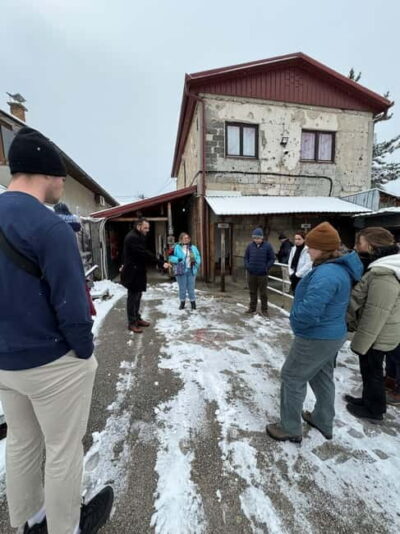
Bosnian War & Fall of Yugoslavia Tour with Tunnel
Read our review →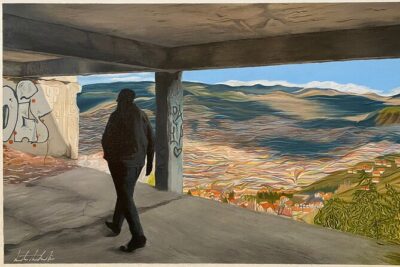
Sarajevo War Tour: A Veteran’s Story of the Siege (fees included)
Read our review →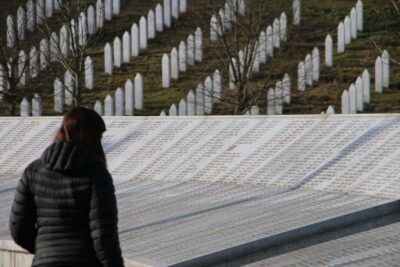
Srebrenica Genocide Study Tour with War Veteran
Read our review →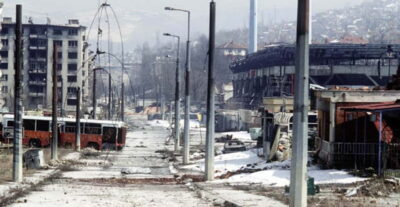
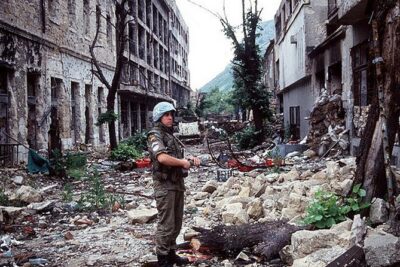
Break-up of Yugoslavia & The War in Mostar: Life Under Siege
Read our review →
Sarajevo to Srebrenica: Genocide Study Tour with War Veteran
Read our review →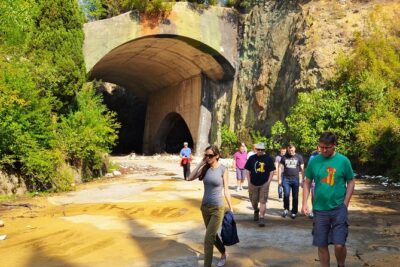
Browse the lists this tour appears in