
Reviewed · BOSNIAN WINE TASTINGS
Mostar: Wine Tasting
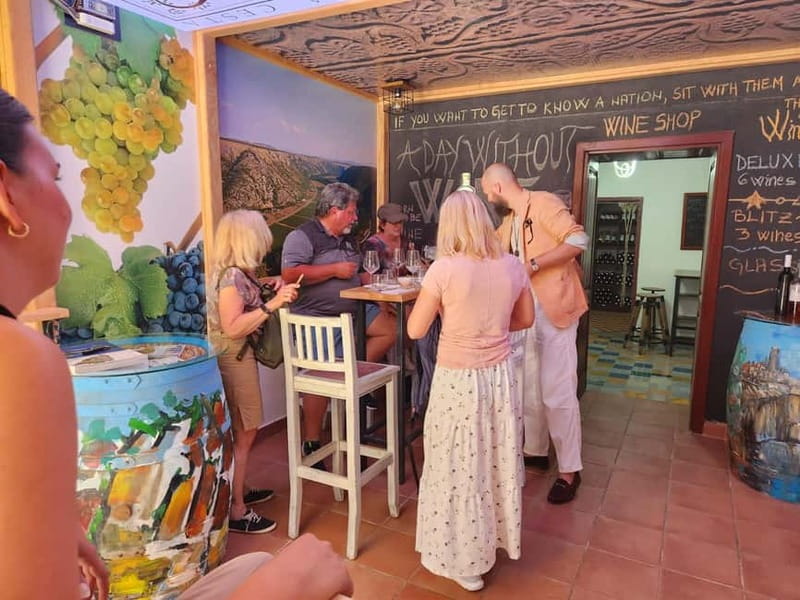
Herzegovina’s wine story comes neatly served in three glasses: crisp white Žilavka, red Blatina, and red Trnjak. In one informal hour at Via Vino, you learn how these local grapes taste, why they matter, and what to look for when buying a bottle later.
I like the small group of no more than 10 people, which gives the English-speaking host room to explain the wines without turning the session into a lecture. I also like the simple pairing of cheese and olives, a useful touch that helps you notice how food changes each wine.
The main drawback is the limited amount of wine. You taste three varieties rather than receiving full glasses, so serious wine drinkers may find the $17 price easier to justify for the instruction than for the quantity.
Key points to know before booking
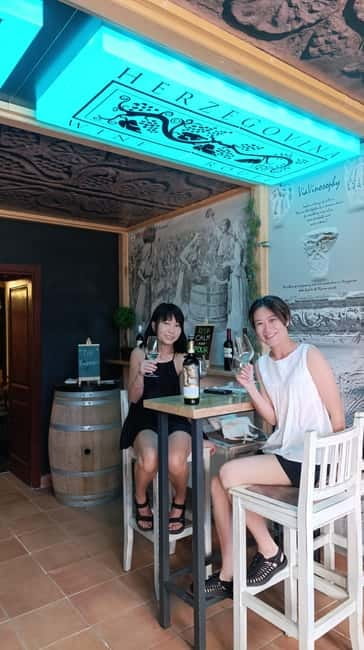
- Three native Herzegovinian varieties: Taste Žilavka, Blatina, and Trnjak from local producers.
- One-hour format: A compact introduction that fits neatly into a day of sightseeing in Mostar.
- English-speaking host: Learn the tasting method, local wine terms, and names to seek out later.
- Cheese and olives included: Small bites give the tasting a more social, complete feel.
- Small group setting: Attendance is limited to 10 people, keeping the session personal.
- Bottles available afterward: Buy wine at Via Vino to take home or have shipped.
Three local grapes, one useful introduction
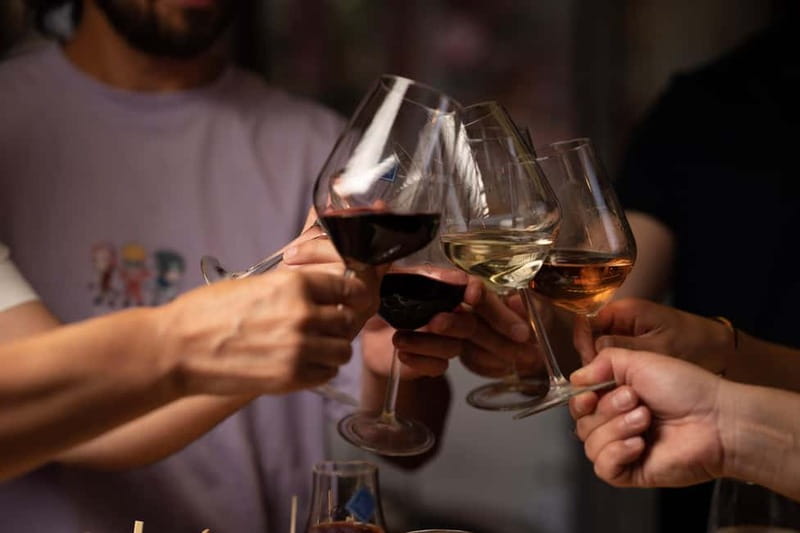
The appeal here is not simply drinking three samples. It is learning the names of grapes you are unlikely to encounter in an ordinary international wine bar.
The tasting focuses on Žilavka, Blatina, and Trnjak, varieties tied to Herzegovina. Your host explains the character of each wine and shows you how to use sight, smell, and taste rather than treating wine as a guessing game.
That makes this a good first step if Bosnian wine is new to you. You do not need to arrive with special knowledge. You only need enough curiosity to notice how the wines differ.
Žilavka is the white wine in the lineup. Blatina and Trnjak are red varieties. The tasting gives you a quick comparison across styles, which is more useful than trying three bottles that all taste alike.
You also learn about the hierarchy of Herzegovina wines and the names worth seeking when you choose a bottle yourself. That advice may be the most practical part of the hour. It turns a pleasant tasting into a shopping lesson you can use during the rest of your stay.
More bosnian wine tastings in Mostar:
- Nature’s Table: River Journey w Wine Tasting & BBQ Dinner Mostar
★ 5.0 · 8 reviews - Wine Tasting & Private Walking Tour Mostar
★ 5.0 · 5 reviews - Split/Trogir: Mostar and Medjugorje Tour with Wine Tasting
★ 4.5 · 282 reviews
What happens during the one-hour session
The class is designed to be informal and fun rather than formal or technical. Expect the host to introduce the local wine tradition, set out the three samples, and explain how to assess them with your senses.
You will taste each wine while learning about its aromas, flavors, and place in Herzegovina’s wine culture. The pacing matters. At just one hour, the session gives you enough information to remember the main points without taking over your day.
The host also talks about the area’s past and the role wine has played in local traditions. Wine production in Bosnia and Herzegovina reaches back to Roman times, and the session connects today’s bottles with that long local practice.
The phrase Imperial wines comes up in the historical story around these varieties. The point is not to present every detail of regional wine history, but to explain why these grapes have held such importance in the area.
You should expect a guided tasting, not a vineyard visit. The supplied details do not include transport to vineyards, cellar tours, or a meal. The experience takes place at Via Vino in Mostar, with the focus firmly on tasting and explanation.
Using all five senses without making wine feel complicated
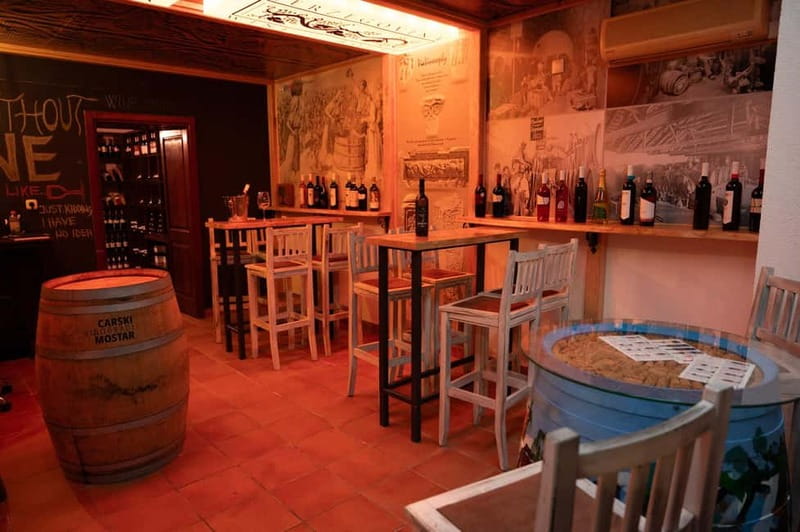
Wine classes can sometimes make a simple glass feel like an exam. This one is meant to keep things approachable.
You are shown how to look at the wine, smell it, and taste it with more attention. Your host explains what creates the flavor and aroma of each sample, then gives you a way to compare the three varieties.
I like this teaching style for a short activity. You leave with a practical method rather than a pile of terms. You can use the same steps the next time you order wine, even if you do not remember every detail about the grapes.
The cheese and olives help, too. They are not a replacement for a meal, but they provide something to eat while you taste. More importantly, they let you notice how a wine changes alongside salty or creamy food.
The pairings also make the hour feel more relaxed. You are not sitting with three empty tasting glasses and nothing else to do. You have small bites, a local setting, and a chance to ask questions.
Why Žilavka, Blatina, and Trnjak matter
The three wines are the heart of the experience, and the contrast between them gives the session its structure.
Žilavka introduces you to an autochthonous Herzegovinian white. The host explains its flavor and aroma, helping you understand what makes it different from more familiar international grapes.
Blatina brings a local red into the tasting. You learn about its characteristics and how it fits into the regional wine tradition.
Trnjak completes the trio with another native red variety. Tasting Blatina and Trnjak in the same session gives you a direct comparison, rather than relying on a description alone.
The important point is that these are not generic wines selected only because they are easy to find. They represent local producers and local grape varieties. If you want to bring home a bottle that says something about Herzegovina, this tasting helps you choose with more confidence.
The host’s explanation of wine names and hierarchy is also valuable here. Without that context, you might recognize a label but not know how to judge the bottle. After the tasting, you have at least a starting point.
A few more Mostar trips to weigh up
- Trebinje Tour with Luxury Transportation and Wine Tasting
★ 5.0 · 6 reviews
A compact stop in the middle of Mostar sightseeing
At $17 per person, the tasting is priced as a short cultural activity rather than a major food tour. That makes the one-hour duration a strength.
You can fit it around a day in Mostar without giving up half your schedule. The meeting point is Via Vino, marked by a Via Vino sign in front. Hotel pickup is not included, so you need to make your own way there.
The provided information does not give a walking time from Mostar’s other sights, so check the exact location when booking and allow enough time to find the sign. The meeting point should be easy to identify once you are in front of the venue.
The small group limit of 10 is another reason the price works. You are paying for a focused introduction with a host, not simply three unaccompanied pours. If you ask questions, the format should give you a better chance of getting a useful answer than a large group session would.
Still, keep your expectations realistic. The price buys a guided sample of three wines, cheese, and olives. It does not buy three full glasses or a full meal.
One published rating of the experience was four out of five, with the clear criticism that the wine portions felt limited for someone mainly seeking wine. That is fair. In Mostar, you may be able to order full glasses of the same wines elsewhere for a similar cost or less. What you do not get elsewhere, at least not automatically, is the focused explanation of the grapes and local tradition.
The real value is the explanation, not the volume
I would judge this experience by asking one question: do you want to learn about Herzegovinian wine, or do you mainly want to drink it?
If your goal is three generous pours, the value is less convincing. The tasting serves three wines, but it is not described as a full-glass wine flight. A wine enthusiast who already knows Žilavka, Blatina, and Trnjak may prefer ordering individual glasses at another venue.
If you want a clear introduction, the price is easier to defend. The host explains the local wine hierarchy, the traits of each variety, and the sensory steps used to appreciate them. You also receive guidance about names to look for when selecting a bottle.
That advice has lasting value. A full glass disappears. A better understanding of what you are buying can help you choose wine for dinner, a gift, or the journey home.
The bottle-purchase option adds another layer. At Via Vino, you can buy wine to take with you or arrange shipping. The information provided does not state shipping costs, destinations, or packaging rules, so ask about those details before paying.
A taste of Herzegovina’s cultural past
Wine is presented here as part of Bosnia and Herzegovina’s culture, not as an isolated product. The story reaches back to Roman times and continues through local traditions and modern producers.
That context gives the tasting a stronger sense of place. You are not just sampling wine made somewhere nearby. You are learning why these varieties have remained important and how current production connects with older habits.
The phrase flavors of the ancestors may sound grand, but the basic idea is sound. Food and drink often explain a region more directly than a museum label. Three small pours can show you something about local agriculture, taste, and identity.
The class also introduces the idea that Bosnian wine is experiencing renewed attention. You hear how local production is being recognized for its distinct flavors and its part in the country’s viticultural tradition.
Do not expect a full lecture on Roman viticulture or every wine region in Bosnia and Herzegovina. The session is only one hour. Its strength is the broad introduction, delivered in a manageable format.
Who will enjoy this tasting most
I would recommend the experience to several kinds of visitors.
First-time visitors to Mostar can use it as a quick way to connect food, drink, and local culture. It adds something different to a sightseeing day and helps you understand a part of Herzegovina that is easy to miss.
Wine beginners should find the format approachable. The host explains how to taste and gives you three different varieties for comparison. You do not need to know wine terms in advance.
Wine shoppers may get the most practical benefit. If you plan to buy a bottle in Bosnia and Herzegovina, the advice about producers, wine hierarchy, and labels can save you from choosing at random.
Couples and small groups of friends may like the informal setting and small bites. The activity is short enough to combine with other plans.
I would be more cautious about recommending it to someone who wants a large amount of wine, a substantial meal, or a vineyard excursion. None of those is promised here.
Children under 18 are not permitted, so this is an adult-only activity. The host or greeter speaks English, which makes the class suitable for English-speaking visitors.
Practical details that affect your decision
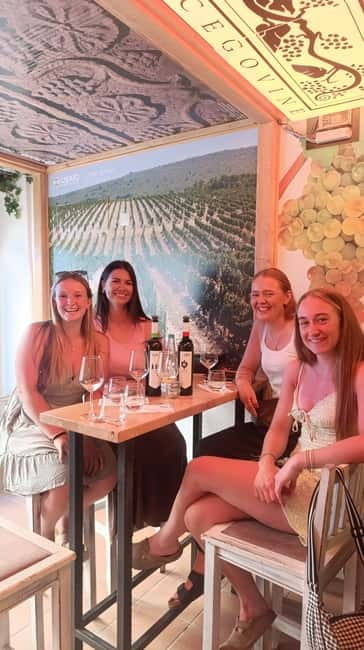
The listed price is $17 per person. That is a modest cost for a one-hour guided activity, especially with three wines, cheese, and olives included. The value depends heavily on how much you care about the educational side.
The group is limited to 10 participants. That is small enough to keep the session from feeling anonymous, but the experience is still a group tasting rather than a private appointment.
The duration is one hour, with starting times subject to availability. You should check the time before building it into a packed sightseeing schedule.
Hotel pickup is not included. You meet at Via Vino and look for the Via Vino sign in front.
The host speaks English. Guided tasting, the three wine samples, cheese, olives, and local cultural background are included. Bottles purchased afterward are extra, and any shipping arrangements should be confirmed directly at the venue.
Free cancellation is available up to 24 hours before the activity for a full refund. You can also reserve and pay later, which helps if your Mostar plans are still changing.
Should you book the Via Vino tasting?
Book it if you want a friendly introduction to Herzegovina’s native grapes and appreciate having a local host explain what is in your glass. The best reason to go is the instruction, especially the help choosing bottles later.
Skip it if your only goal is quantity. For the same $17, you may find full glasses of Žilavka, Blatina, or Trnjak elsewhere in Mostar, though you would lose the focused explanation.
For most visitors, I see this as a smart one-hour add-on rather than a centerpiece activity. It is short, affordable, adult-only, and rooted in local wine culture. Come ready to learn, taste three distinct regional varieties, and eat a few olives and pieces of cheese. Do not come expecting a long cellar tour or a full evening of drinking.
FAQ
How long does the Mostar wine tasting last?
The tasting lasts one hour.
How much does the wine tasting cost?
The listed price is $17 per person.
Which wines will I taste?
You will taste three Herzegovinian varieties: Žilavka, Blatina, and Trnjak.
Are food pairings included?
Yes. Cheese and olives are included with the three wine samples.
Is the tasting conducted in English?
Yes. The host or greeter speaks English, and English is the listed language.
How large is the group?
The activity is limited to 10 participants.
Where is the meeting point?
Meet at Via Vino and look for the Via Vino sign in front.
Is hotel pickup included?
No. Hotel pickup is not included.
Can I buy wine after the tasting?
Yes. You can purchase bottles at Via Vino to take home or have shipped. Shipping details should be confirmed at the venue.
More Food & Drink in Mostar
- Safari kayak adventure w BBQ & Beer
★ 5.0 · 34 reviews - Private Walking Tour, Food Tasting and Bosnian Coffee in Sarajevo
★ 5.0 · 255 reviews - Sarajevo: 4-Hour Food And Craft Tour
★ 5.0 · 70 reviews - Sarajevo: Sarajevo City Market, Old Town Food Tasting Tour
★ 4.9 · 69 reviews
Just added around Mostar
- Mostar Old Town Walking Tour – Best Seller★ 5.0 · 4 reviews
- Stolac, the crossroads of civilisations, private walking tour.★ 5.0 · 9 reviews
- Neretva kayak canoe safari★ 5.0 · 12 reviews
- Private Transfer from Mostar to Split★ 5.0 · 3 reviews
- Mystical Sutjeska National Park★ 5.0 · 3 reviews
- Private Transfer Mostar–Dubrovnik English Speaking Local Driver★ 5.0 · 13 reviews
- Mostar gastro and historical treasures★ 5.0 · 6 reviews
- Mostar War Heritage Walking Tour★ 5.0 · 6 reviews
Bosnian Wine Tastings, compared.
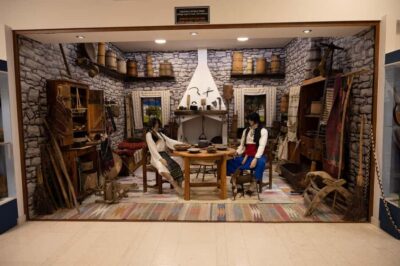
Nature’s Table: River Journey w Wine Tasting & BBQ Dinner Mostar
Read our review →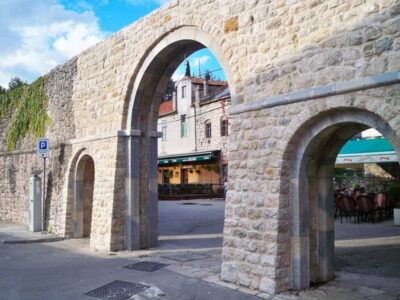
Trebinje Tour with Luxury Transportation and Wine Tasting
Read our review →
Browse the lists this tour appears in