
Reviewed · FOOD & DRINK
🍽️ Sarajevo Food Tour: Eat where the locals eat
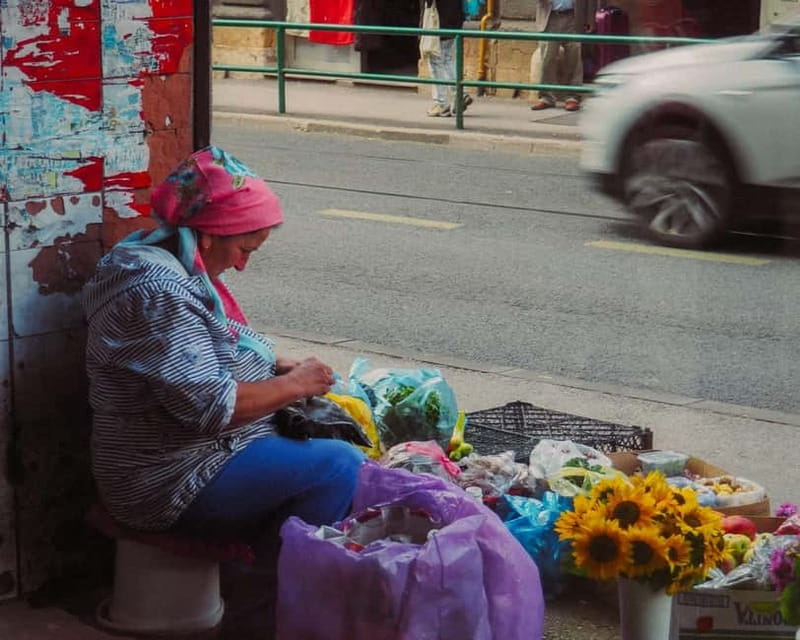
Grbavica gives you a different Sarajevo: less postcard, more neighborhood. Over five hours, you eat your way through local restaurants, a market, a bakery, a café, and a bar while learning how this district endured the Sarajevo siege and rebuilt its daily life. The food goes well beyond ćevapi, with burek, soup, home-cooked dishes, dessert, and fresh produce.
I like the small group size, limited to eight, and the fact that guides Nermin and Numa have deep personal ties to Grbavica. I also like the balance between eating and walking, especially the stop at Grbavica Stadium, once close to the front lines. The main consideration is simple: you walk about five kilometres, and the generous portions can make this a demanding afternoon for anyone with limited mobility or a small appetite.
Key points at a glance
- Five substantial food stops: Try traditional Bosnian dishes, burek, dessert, market produce, and a home-cooked meal.
- Grbavica beyond the tourist center: See a working Sarajevo neighborhood that most first-time visitors skip.
- History with a local voice: Hear about the siege, reconstruction, and Grbavica Stadium from guides who grew up in the area.
- A real choice of drinks: Sample rakija, or choose local beer or wine instead.
- Small and social: With no more than eight participants, it is easy to ask questions and talk with the guide.
- Come very hungry: The portions are generous, and the five-hour route ends with dessert and a drink.
Why Grbavica makes a better food tour setting than another old-town lunch
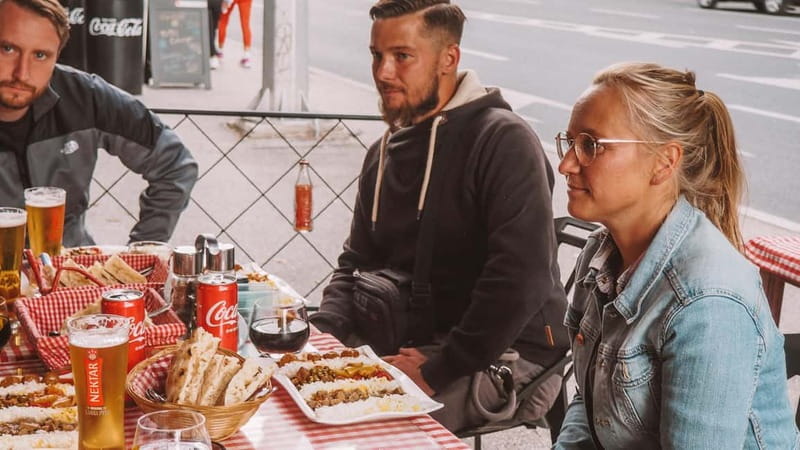
Sarajevo’s Old Town is essential, but it can give you a narrow picture of the city. Grbavica shows how Sarajevo eats, shops, talks, and carries its past in an ordinary residential district.
The neighborhood is also tied closely to the siege of Sarajevo. Your walk connects food and place rather than treating history as a separate museum lesson. You may be eating a warm local dish one moment, then hearing how the surrounding streets and stadium were affected by the war the next.
That contrast is one of the tour’s strongest features. You are not simply moving between restaurants. You are seeing how food, memory, and neighborhood life fit together.
The guides add much of the value. Nermin and Numa have led groups through streets they know personally, and the tour is designed around local relationships. That can mean a more relaxed stop, better explanations of what you are eating, and small details about people and places that a standard city walk would likely miss.
A few more Sarajevo trips to weigh up
- Private Walking Tour, Food Tasting and Bosnian Coffee in Sarajevo
★ 5.0 · 255 reviews - Sarajevo: 4-Hour Food And Craft Tour
★ 5.0 · 70 reviews - Sarajevo: Sarajevo City Market, Old Town Food Tasting Tour
★ 4.9 · 69 reviews
Starting at the Stecak replica and crossing Suada and Olga Bridge
The meeting point is the replica of the Zgosca Stecak, a medieval Bosnian tombstone marker. From there, the group walks toward Suada and Olga Bridge, a place closely associated with Sarajevo’s wartime story.
This opening section gives you time to get comfortable with the group before the food begins. It also sets the tone: you are not being rushed from one famous sight to the next. The guide explains where you are and why the area matters, then brings the conversation toward Grbavica’s character today.
You should wear comfortable shoes. The full route covers roughly five kilometres, and the tour lasts around five hours. That is a gentle enough pace for most people who enjoy walking, but it is not a short restaurant crawl.
The first meal: an Aščinica and Bosnian comfort food
One of the first food stops is a local restaurant, including an Aščinica, the kind of place associated with home-style cooked meals. This is where you begin to see why the tour is not built around Sarajevo’s most familiar specialty alone.
Expect hearty Bosnian food, including soup and other traditional dishes. The exact serving can vary, but the aim is a broad taste of everyday cooking rather than a single famous plate.
I like this format because it helps you understand the food as part of daily life. An Aščinica is not presented as a formal dining destination. It is useful, filling, and local in spirit. You may also get guidance on how the dishes are prepared and when Bosnians typically eat them.
Portions are reported to be generous at each stop, so pace yourself. It is easy to treat the first plate as lunch and forget that several more tastings are ahead.
A photo stop with wartime memory
The route includes a stop at the mural of General Jovan Divjak. This is a short pause rather than a long museum visit, but it adds another layer to the neighborhood’s story.
The guide may use photographs on an iPad to explain parts of Sarajevo’s wartime past. That is especially useful here because the modern streets can look ordinary. Images help you understand how much changed and how much the city had to rebuild.
This part will appeal most if you want context, not just restaurant recommendations. The historical explanations are described as shorter lessons woven into the walk, so the food remains central. Still, the subject is serious. This is not a tour that treats the siege as a decorative backdrop.
Same country, a completely different kind of day:
- Sarajevo: Mostar, Konjic, Blagaj Tekke, Pocitelj & Waterfall
★ 4.9 · 1,666 reviews - Fall of Yugoslavia, Sarajevo War Tour with Tunnel of Hope Museum and Frontlines
★ 5.0 · 1,314 reviews - Sarajevo: Grand Walking Tour Through Time and Cultures
★ 4.8 · 1,236 reviews - Sarajevo: Mostar, Konjic, Sufi House, Pocitelj & Kravice Falls
★ 5.0 · 1,179 reviews
Pijaca Grbavica: produce, vendors, and daily Sarajevo
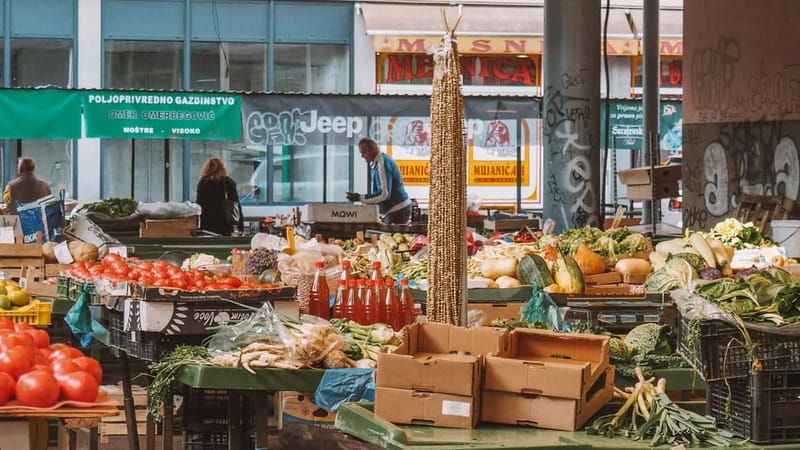
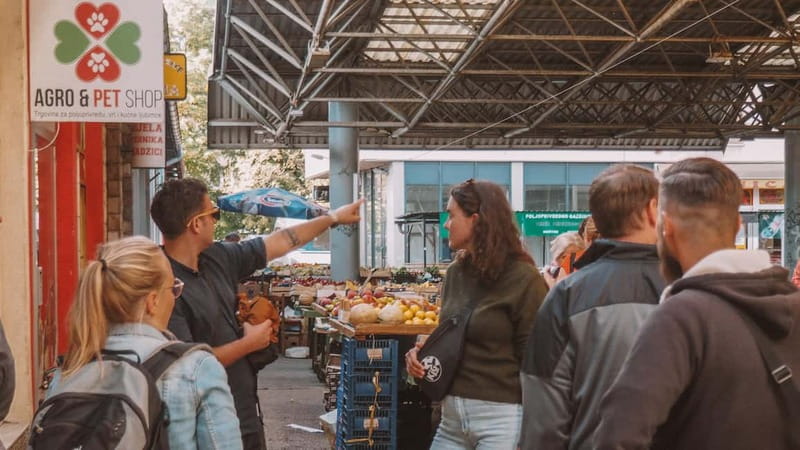
The Grbavica market is one of the liveliest parts of the route. Here you see local produce, meet vendors, and try fresh items along the way.
A market stop makes the food tour more useful than a string of sit-down meals. You get to see ingredients before they reach the plate and watch a practical part of Sarajevo life. Fresh fruit, including seasonal produce, can provide a welcome break from the heavier dishes.
The market also changes the pace. After the first restaurant, you are walking, looking, and tasting rather than simply sitting down again. Ask questions here. A guide who knows the vendors can explain what is seasonal, what locals buy, and how the market fits into neighborhood life.
Keep in mind that markets are active working places, not arranged performances. The atmosphere may be informal and crowded, and the exact produce or tasting can depend on the day.
Grbavica Stadium and a neighborhood on the front line
The visit to Grbavica Stadium is the tour’s clearest meeting point between sport and wartime history. The stadium once sat near the front lines, and its presence helps you understand how close the fighting came to ordinary city life.
Today, the stadium also represents rebuilding. Seeing it as part of a normal neighborhood is more powerful than hearing only a timeline of events. Your guide explains the stadium’s place in Grbavica and how the district developed after the war.
This is not advertised as a full stadium tour, so set your expectations accordingly. It is a sightseeing visit and historical stop within a longer food walk. If you have a strong interest in Sarajevo’s siege, this may be one of the most meaningful portions of the afternoon.
Rakija, beer, or wine at a local bar
At a local bar, you can sample Bosnian rakija, the fruit brandy that is part of the country’s drinking culture. It is served cold, in the Sarajevan fashion described by the operator.
Rakija can be strong, so you do not have to choose it. Local beer or wine is available instead, making the stop suitable for people who prefer a milder drink or do not drink spirits.
This pause is less about tasting notes and more about social custom. A drink in a neighborhood bar gives you a chance to slow down, ask the guide questions, and see how the tour’s food stops connect to ordinary social life.
Alcohol is not the only point of the stop. If you choose a nonalcoholic option, the tour still includes the food, stories, and local setting. The important practical tip is to avoid treating rakija as a harmless shot if you are already full and tired from walking.
The bakery stop and the serious business of burek
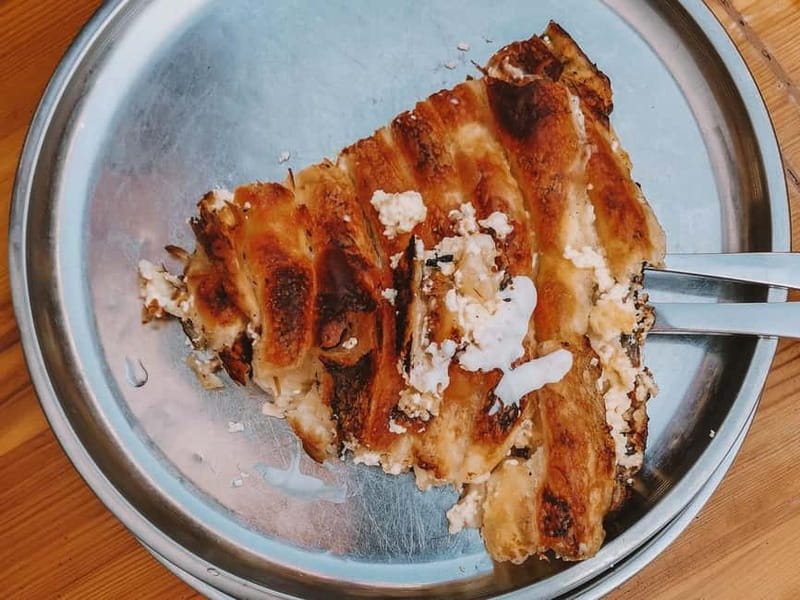
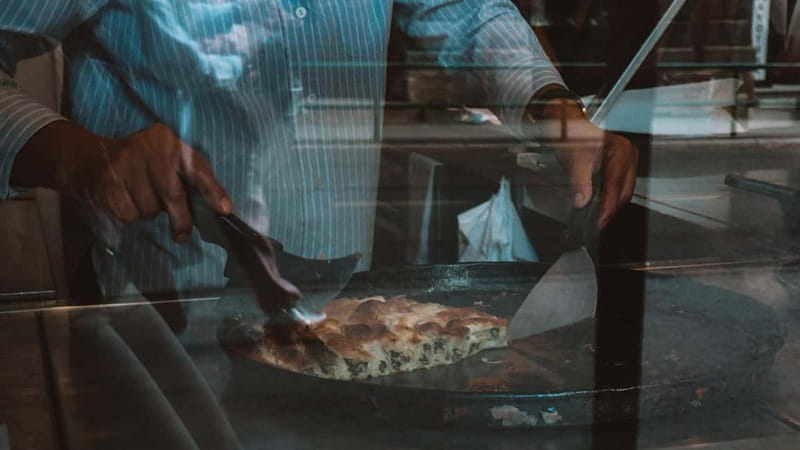
The bakery visit focuses on burek, one of Bosnia’s best-known savory pastries. Here you get the chance to try the beef-filled version, with its flaky pastry and substantial filling.
Burek is familiar to many people who visit Sarajevo, but tasting it in a local bakery gives you a better sense of how it fits into everyday eating. It is filling, portable, and more substantial than a small snack.
This is one of the points where the tour’s generous portions matter most. Burek follows several earlier tastings, so you may want to share or take smaller bites if that is possible. The tour is designed for people who come hungry, not for anyone hoping to nibble lightly.
The bakery also helps broaden the food story. Instead of presenting Bosnian cuisine as only grilled meat, the route includes pastry, soups, cooked meals, market produce, and sweets.
Dolac Malta and the final café stop
The walk continues toward Dolac Malta before finishing at a local café. This last section gives you time to let the meal settle and see another part of the neighborhood.
The café stop includes dessert from a legendary pastry shop established in the 1970s. That detail matters because it links the sweet course to Sarajevo’s longer food culture. You are not simply ending with a generic cake or coffee. You are tasting something connected to a place with decades of local presence.
The final stop is also a practical end to the route. By this point, you have walked, eaten, and heard the main historical stories. A café offers a calmer setting for conversation and a chance to ask about dishes you want to find again during the rest of your stay.
You are not transported back to central Sarajevo afterward. The return is not included, but it is about a 20-minute walk. After such a large meal, that stroll along the river can be a pleasant way to finish, provided you still have the energy.
What you eat, and why the variety matters
The tour includes four different dishes along with market tastings and dessert. The named food experiences include beef burek, soul-warming soups, home-cooked Bosnian specialties, fresh produce, and a sweet from the long-established pastry shop.
That variety is the real reason to choose this tour over a single restaurant meal. You get to compare textures and settings: a cooked dish in an Aščinica, pastry from a bakery, produce from the market, and dessert in a café.
The exact menu may change with availability and dietary needs. If you have allergies or other dietary requirements, tell the operator at least 24 hours ahead. The tour specifically asks for advance notice so adjustments can be made.
Do not expect every stop to suit a strict vegetarian, vegan, or highly restricted diet without prior planning. The information provided does not promise a fixed alternative menu, so contact the provider before booking if your diet is central to your decision.
How the five-hour format affects the experience
Five hours is a substantial block of your Sarajevo schedule. That works well if you want a relaxed neighborhood visit with plenty of conversation. It is less suitable if you are trying to squeeze several major city sights into one afternoon.
The walking and food are spread throughout the route, rather than packed into one long meal. That keeps the experience moving, but it also means you should plan around it. A full breakfast or large lunch could make the tastings uncomfortable.
The group maximum of eight is a strong advantage. A small group makes it easier to hear historical explanations, stop for questions, and keep the mood personal. It also suits solo visitors and couples who want company without joining a large crowd.
The tone appears social and flexible. One group was led at an easy pace and ended with a relaxed drink at a garden pub, while another spent closer to six hours on the experience. Treat the advertised five hours as the guide, not an exact stopwatch promise.
Price, group size, and overall value
At $81 per person, this is not the cheapest way to eat in Sarajevo. You can certainly find individual Bosnian meals for much less.
The value comes from the package. You get five food stops, several drinks or drink choices, a market visit, a neighborhood walk, a stadium visit, historical interpretation, and a small group. If you tried to arrange all of that independently, you would need to know where to go, what to order, and how the sites connect.
I would consider the price fair for someone who values access and context more than quantity alone. It is particularly useful early in a Sarajevo visit because the guide can introduce you to foods and areas you may want to revisit.
It is less compelling if your main goal is an inexpensive meal or a formal history tour. This is a hybrid experience, part food walk, part local orientation, and part conversation about the siege and recovery.
Who should book it, and who should skip it
I would recommend this tour to people who have already seen, or plan to see, Sarajevo’s Old Town and want another side of the city. It suits curious eaters, couples, solo visitors, and small groups who enjoy asking questions.
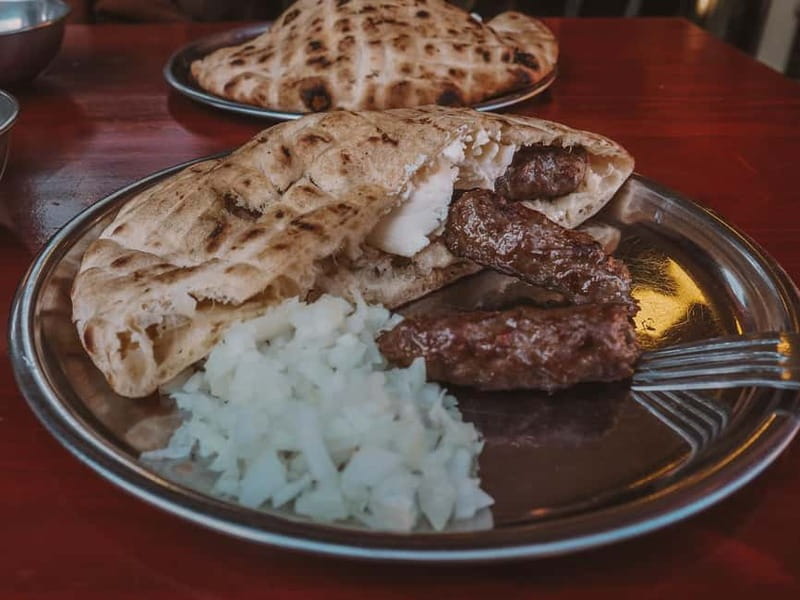
It is also a strong choice if you want Bosnian food beyond ćevapi. The range of dishes gives you a better introduction to the country’s everyday cooking than a single restaurant order.
You should think twice if you dislike walking, have mobility limitations, or prefer a short tasting with small portions. The tour covers about five kilometres, includes stairs or uneven walking potential in a city neighborhood, and serves enough food to leave you very full.
Large bags and luggage are not allowed. Plan to carry only what you need for the afternoon.
Should you book the Grbavica food tour?
Book it if you want Sarajevo to feel like a lived-in city rather than a checklist of sights. The combination of local food, market life, personal guiding, and wartime memory gives the afternoon real substance.
I would book it early in your stay, arrive hungry, wear comfortable shoes, and tell the operator about dietary needs at least a day ahead. Choose rakija only if you are comfortable with a strong fruit brandy, and remember that the walk back to central Sarajevo is not included.
Skip it if you need a fully accessible route, a short activity, or a cheap standalone lunch. For everyone else, the $81 price buys more than food. It buys a guided introduction to Grbavica, a district you might otherwise never see, and a clearer sense of how Sarajevo’s past and present share the same streets.
FAQ
Where does the Sarajevo food tour start?
The tour starts at the replica of the Zgosca Stecak.
How long does the tour last?
The advertised duration is five hours. One tour has lasted closer to six hours, so allow some flexibility in your schedule.
How much walking is involved?
You will walk approximately five kilometres through Grbavica and toward Dolac Malta.
What food is included?
The tour includes five food stops with traditional Bosnian dishes, soup, beef burek, fresh market produce, and dessert from a pastry shop established in the 1970s.
Is ćevapi included?
The tour is designed to introduce you to Bosnian food beyond ćevapi. The listed specialties include burek, soups, home-cooked meals, market produce, and dessert.
Is rakija included?
You can sample Bosnian rakija. You may choose local beer or wine instead.
How large is the group?
The tour is limited to a maximum of eight participants.
Which languages are available?
Guiding is available in German, English, Bosnian, Croatian, and Serbian.
Can dietary requirements be accommodated?
You should notify the operator at least 24 hours before the tour so accommodations can be considered.
Is transportation back to Sarajevo included?
Transportation back to the city is not included. The finish is about a 20-minute walk away, and you can continue along the river afterward.
Just added around Sarajevo
- Sarajevo Under Siege: A War History Tour★ 5.0 · 10 reviews
- WAR TUNNEL – Sarajevo’s only way of a communication during the WAR – Top secret★ 5.0 · 12 reviews
- Private Full Day Safari Tour★ 5.0 · 8 reviews
- Ultimate Gastro Experience★ 4.5 · 14 reviews
- Mysterious Visoko Pyramids Driving and Walking Tour★ 5.0 · 7 reviews
- Secret Tito’s Bunker/Konjic Tour★ 5.0 · 4 reviews
- The Secret Lifeline: Sarajevo’s War Tunnel Tour★ 5.0 · 6 reviews
- Crossroads of Cultures – Sarajevo Walking Tour★ 5.0 · 8 reviews
Food & Drink, compared.
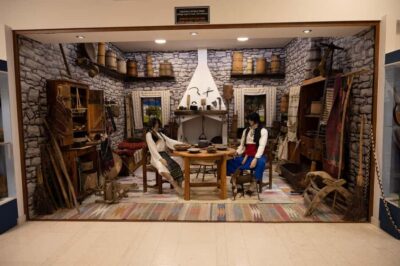
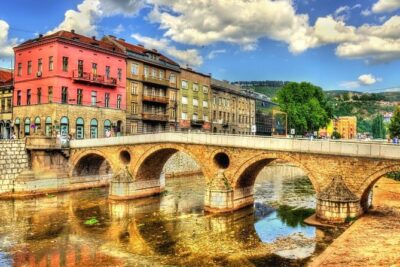
Private Walking Tour, Food Tasting and Bosnian Coffee in Sarajevo
Read our review →
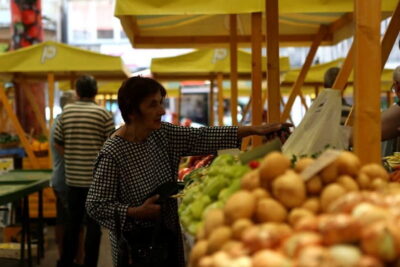
Sarajevo City Market, Old Town Food Tasting Tour
Read our review →
LUKOMIR VILLAGE HIKE & TREK TOUR (nature, hike, food & panorama)
Read our review →Nature’s Table: River Journey w Wine Tasting & BBQ Dinner Mostar
Read our review →Browse the lists this tour appears in