
Reviewed · SREBRENICA MEMORIAL TOURS
Understanding Srebrenica Genocide + Lunch with Local Family
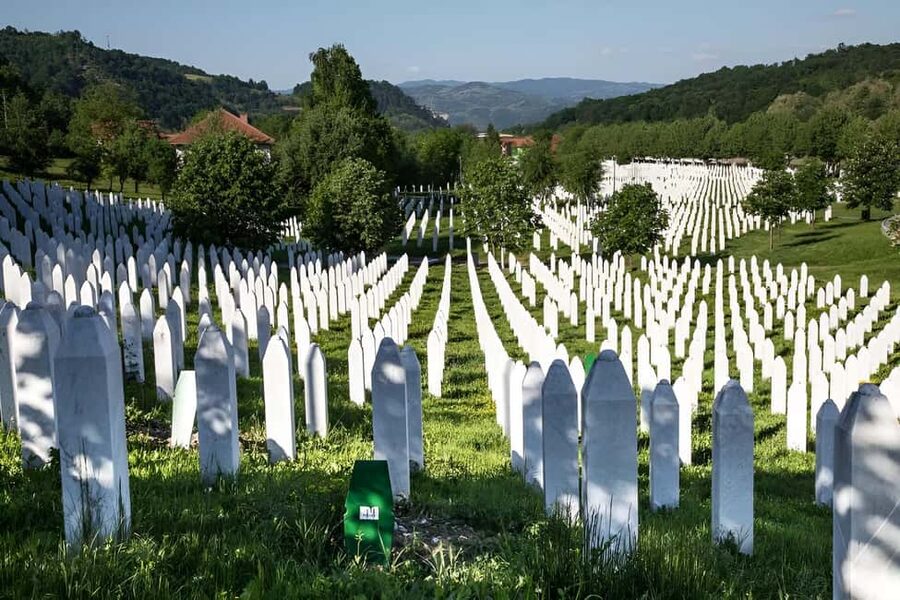
Srebrenica is not a quick photo stop. This 11-hour journey from Sarajevo gives you the road-time context, a survivor-led visit to Potočari Memorial Centre, and a home-cooked lunch that connects the past with life in Srebrenica today. The former UN base, with its memorial room, films, photographs, and graffiti, adds hard detail to an already difficult day.
I like the way the tour explains the fall of Yugoslavia before reaching Srebrenica, rather than treating the genocide as an isolated event. I also like the lunch with a local family, which supports people still living with unemployment, discrimination, and genocide denial. The main drawback is simple: you spend about five hours in the van, and at $100, the price may feel high if you want a short sightseeing outing rather than a serious history day.
Key points
- Survivor-led history at Potočari: A local guide who lived through the genocide leads the Memorial Centre visit and shares personal experience.
- Former UN base included: You see the museum, Memorial Room, films, photographs, graffiti, and material about the international community’s failure.
- Small group of up to eight: The group size leaves room for questions and a quieter, more personal discussion.
- Home-cooked lunch in Srebrenica: A 90-minute meal with a local survivor family supports the community and offers traditional food outside a restaurant.
- Full-day commitment from Sarajevo: Pickup is around 8 am, with return expected around 6 or 7 pm.
- All main tour costs covered: Transport, hotel pickup and drop-off, professional guide, Memorial Centre arrangements, local guide, and lunch are included.
Why Srebrenica needs a full day from Sarajevo
The Srebrenica Genocide cannot be understood by looking at one cemetery or one town in isolation. The journey from Sarajevo takes about two and a half hours each way, and that time is used to explain Yugoslavia’s breakup, the war in Bosnia and Herzegovina, and the wider violence across East Bosnia, known as Podrinje.
That road briefing matters. You pass small towns and villages connected to similar events, so the drive becomes part of the history lesson. You are not simply being taken to a memorial and handed a few dates. The guide works through the sequence of events and explains why Srebrenica became the focus of one of the worst crimes of the Bosnian war.
The tone is serious, direct, and open to questions. The tour description specifically encourages you to ask even personal questions, so this suits you if you want discussion rather than a silent transfer. It may feel intense at times, but that is part of the point. A short, detached visit would leave out too much.
More srebrenica memorial tours in Sarajevo:
- From Sarajevo: Srebrenica Genocide Memorial Study Tour
★ 5.0 · 359 reviews - Sarajevo: Srebrenica Genocide Study Tour with War Veteran
★ 5.0 · 263 reviews - From Sarajevo: Srebrenica Genocide Memorial Study Tour
★ 5.0 · 242 reviews
The Sarajevo pickup and the long road east
Pickup is available from your hotel or another agreed location in Sarajevo, or you can meet the team at the Funky Tours office. The usual start is around 8 am. The group is limited to eight people, which is a useful size for a day involving personal stories and sensitive questions.
The vehicle ride lasts roughly two and a half hours. You will see Eastern Bosnia’s mountain scenery along the way, but this is not a scenic drive with a few history comments added. The guide uses the road to build a timeline of the conflict.
One particularly useful part is the explanation of Bosnia’s position during the fall of Yugoslavia. Srebrenica is often presented without enough background, leaving you to wonder how the town became trapped in the war. Here, the guide connects local events with the wider aggression against Bosnia and Herzegovina.
Guide quality matters a great deal on this trip. One guide praised in the supplied material is Edo, who fought in the war and brings personal experience to his explanations. That does not replace the official local guide at the Memorial Centre, but it gives the drive its own point of view. Personal experience can make the history clearer, though you should also expect a day shaped by memory and emotion rather than a detached academic lecture.
Three hours at Potočari Memorial Centre
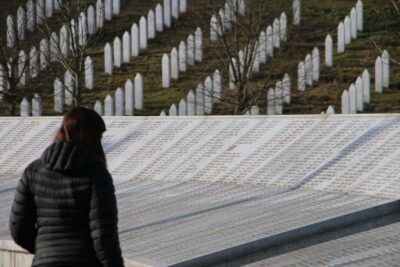
The main visit lasts about three hours at the Srebrenica Genocide Memorial in Potočari. The entrance itself is free, but Funky Tours arranges the visit in advance so your group can meet a local guide or survivor and receive a fuller explanation of the site.
The local guide is a survivor of the genocide. That changes the nature of the visit. You are not only reading displays or walking through a cemetery. You are hearing from someone whose life was directly affected by the events being discussed.
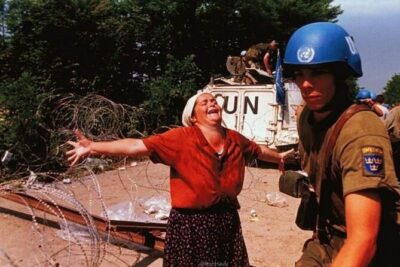
The cemetery is a solemn part of the visit, but the former UN base provides much of the detailed material. You can see the museum titled Srebrenica Genocide: Failure of International Community, along with the Memorial Room, documentary films, chronological photo exhibitions, and graffiti left inside the base.
You also learn about personal stories and the mass grave connected with the base. These details help explain how the international presence functioned, what it failed to prevent, and why the site has such weight. The combination of personal testimony, photographs, film, and physical remains gives you several ways to process the events.
You should allow yourself time to move slowly here. This is not a place where you will want to rush from display to display. The material is painful, and the local guide may discuss experiences that are hard to hear. Comfortable shoes are sensible, and water is worth carrying. A camera is listed as something to bring, but you should use it with restraint and respect.
The tour is educational, but it is not designed to keep the subject at a safe distance. If you are looking for light sightseeing, this will not be the right day. If you want to understand the genocide within the wider war, the three-hour visit is the strongest part of the experience.
The former UN base and the evidence left behind
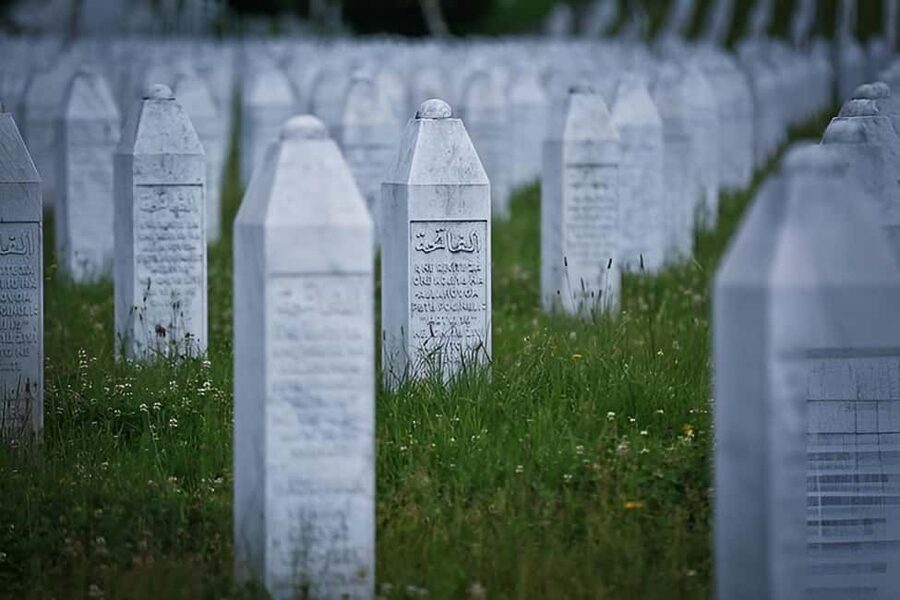
The former UN base gives the day a physical setting for the international failure discussed by the guide. Museums can sometimes make history feel abstract. Here, the base itself is part of the story, and its rooms, displays, and graffiti give you a more direct sense of what happened there.
The museum, Memorial Room, films, and photographs each serve a different purpose. The photo displays help you follow events in order. The documentary material adds voices and images. The graffiti remains are a striking reminder that this was a working site tied to the crisis, not a building created later as a memorial.
You may find the amount of information demanding. The visit includes three hours at the Memorial Centre, and the subject is not easy to absorb in one sitting. That length is useful for understanding the facts, but it can also make the day emotionally tiring. The guide’s willingness to answer questions helps you pause and sort through what you are seeing.
A few more Sarajevo trips to weigh up
- Understanding Srebrenica Genocide Tour + Lunch with Local Family Included
★ 5.0 · 123 reviews - Lukomir Nomad Village Hiking from Sarajevo – Local Lunch Included
★ 5.0 · 21 reviews - Understanding Srebrenica Genocide + Lunch With Local Family – Private Tour
★ 5.0 · 18 reviews - Traditional Bosnian Cooking Class in Mostar with Lunch and Drinks
★ 5.0 · 16 reviews
Lunch with a Srebrenica survivor family
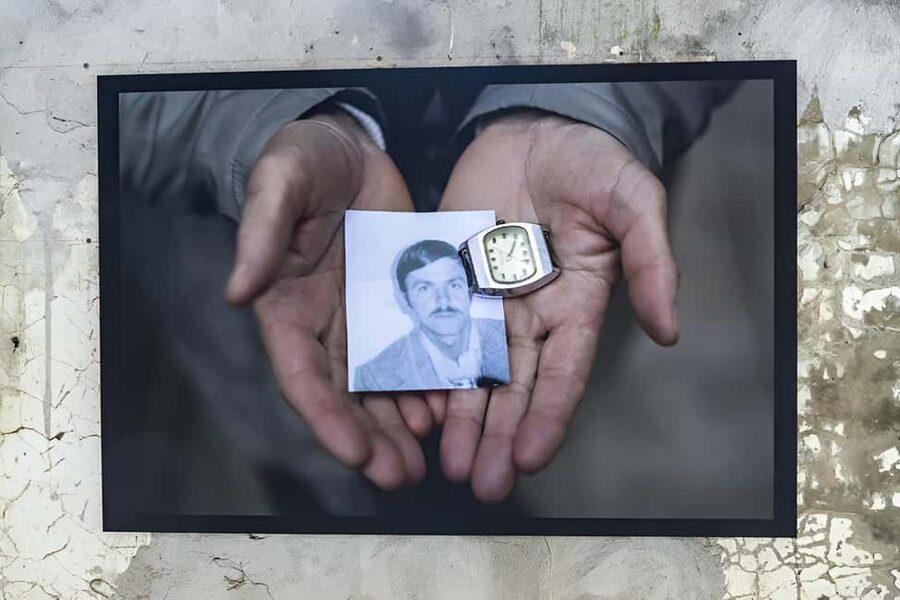
After the Memorial Centre, the group has lunch with a local family in the Srebrenica area. The meal lasts about an hour and a half, making it more than a quick plate of food between stops.
The purpose is practical as well as personal. Funky Tours directs part of the experience toward local people who face unemployment, discrimination, and ongoing genocide denial. By eating in a family home, you are putting money into a local household rather than spending the entire day with larger tourism businesses based in Sarajevo.
The food is traditional and home-cooked. One of the strongest specific comments about the meal described it as generous and better than restaurant food experienced elsewhere in Bosnia. That is a useful clue for you: come hungry, and expect a proper meal rather than a token snack.
The conversation is just as important as the food. Families in Srebrenica can share both painful memories and stories about ordinary life today. You are invited to listen and ask questions, but you should remember that this is someone’s home, not a staged museum display. Smart-casual clothing is requested, and a headscarf is included on the packing list.
This part can feel less controlled than the Memorial Centre visit, which is a good thing if you want a human connection with the town. It also requires tact. The family decides how much to share, and you should avoid pressing for details simply because you are curious.
A short look at Srebrenica town
After lunch, you have a guided exploration of Srebrenica lasting around 15 minutes. That is brief, so do not expect a long town tour or a full afternoon of independent wandering.
Its value is in linking the memorial site with the present-day town. The memorial can dominate your understanding of Srebrenica, but local life continues around it. The short visit gives you a glimpse of the place beyond the cemetery and former UN base, while the lunch provides the longer personal exchange.
The limited time is also one of the day’s constraints. If you want extensive time in town, this program will feel tightly scheduled. The emphasis remains on the genocide, the Memorial Centre, and the family meal.
Is $100 a fair price?
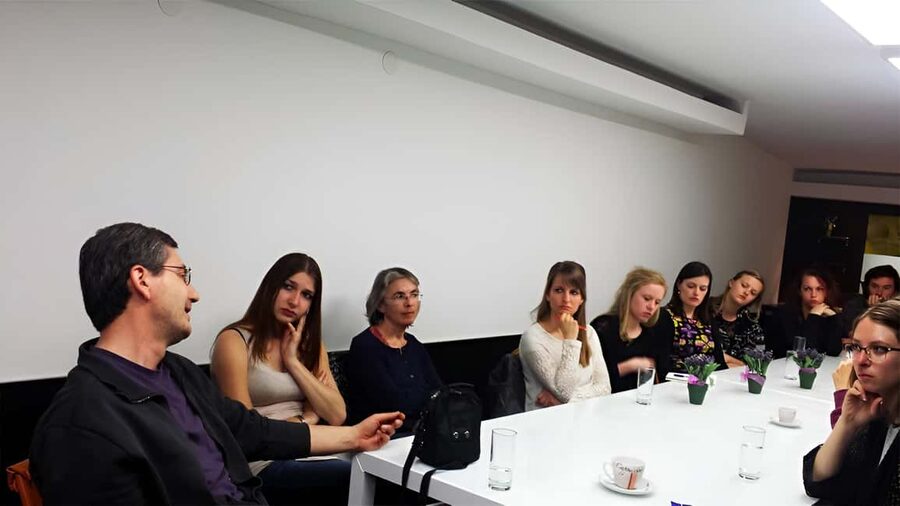
The cost is $100 per person. That is not a bargain for a day where much of the schedule involves driving, and one practical assessment found that the price could be lower for that reason.
Still, you are paying for more than a van seat. The price includes hotel pickup and drop-off, transfers, a professional English-speaking guide, arrangements at Potočari, the local survivor guide, and lunch with a survivor family. The entrance to the Memorial Centre is free, so the value comes from the transport, planning, interpretation, and local connections.
For a small group capped at eight, the price is easier to justify than it would be for a large coach. The guide can answer questions, the drive can be tailored to the group’s discussion, and the lunch feels more personal. If you booked transport and tried to arrange a survivor-led visit yourself, the advance coordination would be difficult to duplicate.
The right question is not whether $100 is cheap. It is whether you want a carefully arranged, full-day history experience with local participation. For that purpose, the price is reasonable. For a casual day trip with scenic stops, it is not.
The five hours of transport
The road time is the biggest practical consideration. You spend roughly two and a half hours heading to Srebrenica and another two and a half hours returning to Sarajevo. The total day lasts 11 hours, usually from about 8 am until 6 or 7 pm.
That may sound like a lot of time in a vehicle, but the outbound ride has a clear purpose. The guide explains the breakup of Yugoslavia, the war in Bosnia, and the events in Podrinje before you arrive. The return drive is likely quieter after the Memorial Centre and lunch, though no fixed program is given for that leg.
Bring water and wear comfortable shoes. The day includes travel, walking around the Memorial Centre, and time at the cemetery and former base. The supplied packing advice also lists a camera and headscarf, with smart-casual clothing requested.
There is no mention of a private vehicle by default. Tours are shared unless you specifically book private, so tell the operator if you need a private arrangement. The maximum shared group is eight.
Who will get the most from this experience?
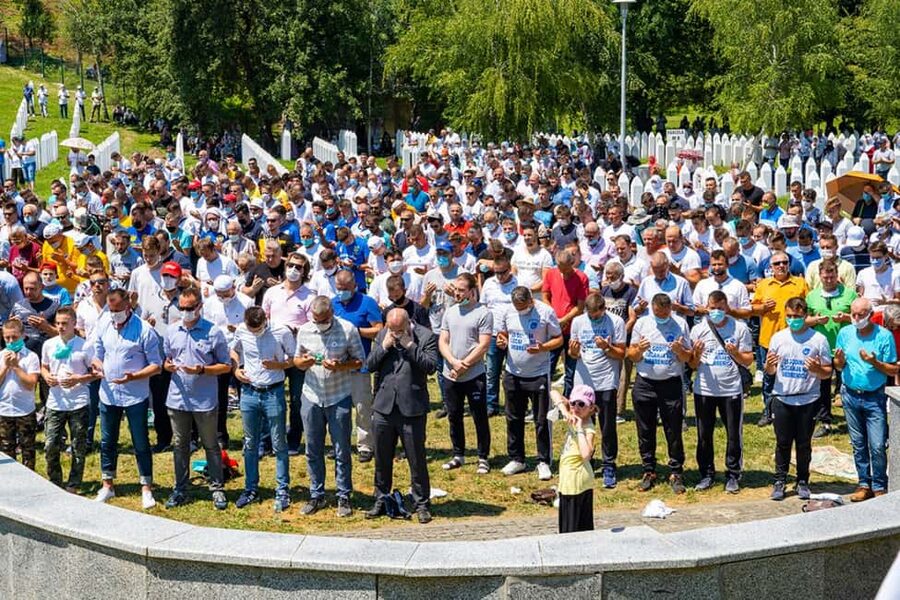
I would choose this tour if you want the history of the Bosnian war explained carefully and you are willing to give the subject a full day. It suits people who value survivor testimony, local food, and responsible tourism more than a fast list of attractions.
It is also a good fit if you prefer having difficult questions handled by an experienced English-speaking guide. Edo’s background, including his own wartime experience, shows the kind of personal perspective that may be part of the day, although the guide assigned to you can vary.
You should think twice if you are seeking a relaxed outing, a short journey, or a broad tour of East Bosnia. The memorial visit is emotionally heavy, the drive is long, and Srebrenica town receives only a short guided look after lunch.
The small group helps. With no more than eight participants, you can ask questions without speaking over a crowd. It also means the family lunch can retain a more natural feel. Still, a small group does not make the subject lighter.
Responsible tourism with a real local connection
The lunch is the clearest responsible-tourism element. It gives local survivors a direct role in the day and supports economic activity in a community facing serious social and political pressure.
That matters because a visit to Srebrenica can easily become a one-way experience. You arrive, learn about suffering, take photographs, and leave. Eating with a local family creates an exchange instead. You learn about the genocide, but you also meet people who are building a life in the same place today.
Responsible tourism does not mean the experience will feel comfortable. In fact, the conversation may make the day harder and more meaningful. The useful test is whether the activity treats local people as partners rather than as background to a tragic story. This one makes that effort part of the program.
Booking details worth knowing before you go
Pickup is included from your hotel or an agreed location in Sarajevo, with the option to meet at the Funky Tours office. The tour runs in English and uses a live guide.
You can cancel up to 24 hours before departure for a full refund, and the reserve-now, pay-later option lets you hold a place without paying immediately. Availability determines the start time, but the usual pickup is around 8 am.
The Memorial Centre visit is arranged ahead of time. That arrangement is important because the entrance is free, but access to a local guide or survivor is not something you should assume will happen without planning.
There is no personal travel insurance included. Shared tours are the standard format, while private booking must be requested separately.
Should you book the Srebrenica day trip?
Book it if you want a serious, carefully explained account of the Bosnian war and Srebrenica, especially one that includes a survivor guide and a family meal. The strongest reasons are the historical context on the drive, the former UN base, and the chance to support local people directly.
Skip it if you want a light excursion, dislike long road transfers, or would rather explore Srebrenica at your own pace. At $100, the value depends on how much you care about interpretation and local contact.
For me, the combination of the Potočari Memorial Centre and the home-cooked lunch makes this more worthwhile than a basic transport-and-stop tour. Go prepared for a difficult day, ask thoughtful questions, and leave room for silence. That is the right way to approach Srebrenica.
FAQ
How long does the Srebrenica experience last?
The experience lasts 11 hours. Pickup is usually around 8 am, and return to Sarajevo is expected around 6 pm or, at the latest, 7 pm.
Where does pickup take place?
Pickup is available from your hotel or preferred location in Sarajevo. You can also meet the team at the Funky Tours office.
How long is the drive from Sarajevo to Srebrenica?
The drive takes about two and a half hours each way, for roughly five hours of total road time.
How many people can join the shared tour?
The small-group tour is limited to eight participants. Tours are shared unless you arrange a private booking.
What language is the tour conducted in?
The tour is conducted in English with a live English-speaking guide.
Is the Potočari Memorial Centre entrance included?
Entrance to the Memorial Centre is free. Funky Tours arranges the visit in advance so you can meet a local guide or survivor and explore the site with added historical explanation.
Who leads the Memorial Centre visit?
A local Potočari Memorial Centre guide leads the visit. This guide is a genocide survivor and shares personal experiences connected to the events.
Is lunch with a local family included?
Yes. The experience includes a home-cooked lunch with a family of local survivors, lasting about an hour and a half.
What should I bring?
Bring comfortable shoes, water, and a camera if you wish. A headscarf is also listed as something to bring, and smart-casual clothing is requested.
Can I cancel or pay later?
You can cancel up to 24 hours in advance for a full refund. The reserve-now, pay-later option allows you to book without paying immediately.
Just added around Sarajevo
- Sarajevo Under Siege: A War History Tour★ 5.0 · 10 reviews
- WAR TUNNEL – Sarajevo’s only way of a communication during the WAR – Top secret★ 5.0 · 12 reviews
- Private Full Day Safari Tour★ 5.0 · 8 reviews
- Mysterious Visoko Pyramids Driving and Walking Tour★ 5.0 · 7 reviews
- Ultimate Gastro Experience★ 4.5 · 14 reviews
- Secret Tito’s Bunker/Konjic Tour★ 5.0 · 4 reviews
- Crossroads of Cultures – Sarajevo Walking Tour★ 5.0 · 8 reviews
- The Secret Lifeline: Sarajevo’s War Tunnel Tour★ 5.0 · 6 reviews
Srebrenica Memorial Tours, compared.
Srebrenica Genocide Study Tour with War Veteran
Read our review →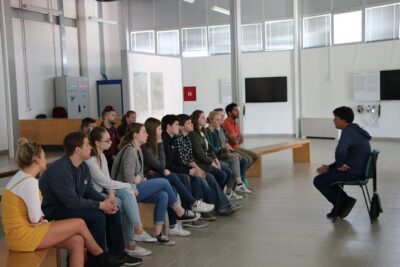
Sarajevo to Srebrenica: Genocide Study Tour with War Veteran
Read our review →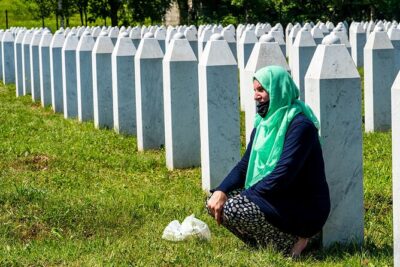
Understanding Srebrenica Genocide Tour + Lunch with Local Family Included
Read our review →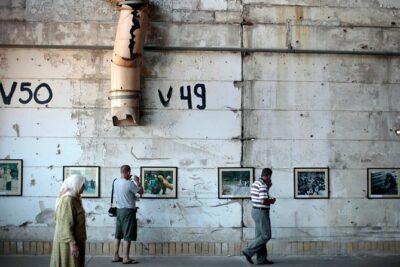
Understanding Srebrenica Genocide – Day tour from Sarajevo
Read our review →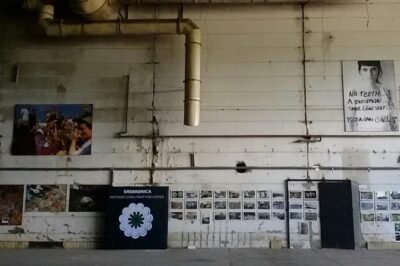
Understanding Srebrenica Genocide + Lunch With Local Family – Private Tour
Read our review →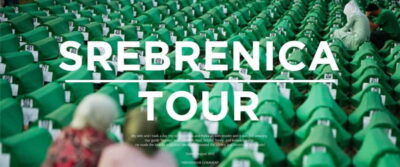
Srebrenica Genocide Memorial and Testimonial Tour
Read our review →Browse the lists this tour appears in