
Reviewed · FULL-DAY
Sarajevo: Best of Sarajevo – Ultimate Full-Day Experience
The most striking thing about this Sarajevo tour is how quickly the city’s major chapters come together. In one day, you move from Ottoman lanes and Austro-Hungarian buildings to the Olympic mountain of Trebević, then into the painful story of the Siege of Sarajevo and the Tunnel of Hope. It gives you the city’s past in human scale, one street and one story at a time.
I especially like the mix of walking, mountain views, and driving, since you are not stuck in a van all day. I also like the Bosnian coffee and food tasting, which turns a history lesson into a chance to share part of daily Sarajevo life. The main consideration is the extra entry package, priced at 60 BAM, or about 30 euros, on top of the $81 tour price.
Key points at a glance
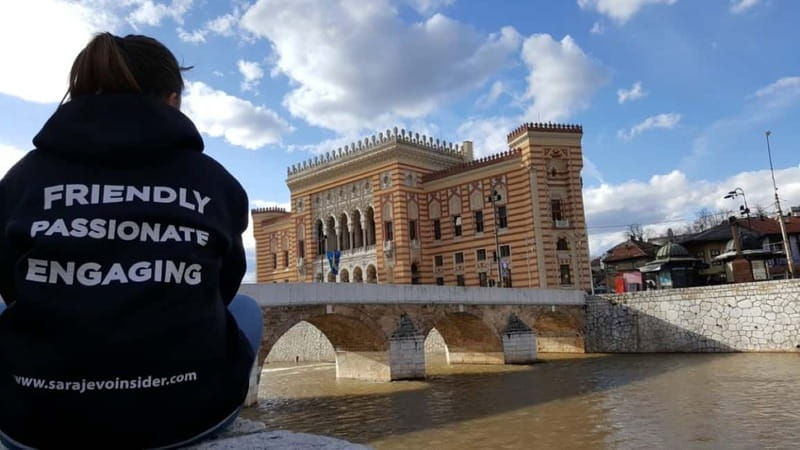
- Walk through three eras in Baščaršija: See Ottoman streets, Austro-Hungarian traces, and the modern city within a compact historic center.
- Ride the Trebević Cable Car: Reach the mountain connected with Sarajevo’s 1984 Winter Olympics and walk along the old bobsled track.
- Visit major religious landmarks: The tour includes Sarajevo’s mosque, Orthodox church, synagogue, and other sites tied to its long tradition of religious coexistence.
- Taste Bosnian coffee and local food: This is more than a snack stop. It gives you a feel for the city’s hospitality and social customs.
- Walk through the Tunnel of Hope: The War Tunnel Museum explains how this narrow passage helped Sarajevo survive the siege.
- Hear personal wartime perspective: Guides have included people with direct experience of the conflict, adding context to the drive through Sniper Alley and the museum visit.
Why this seven-hour route works
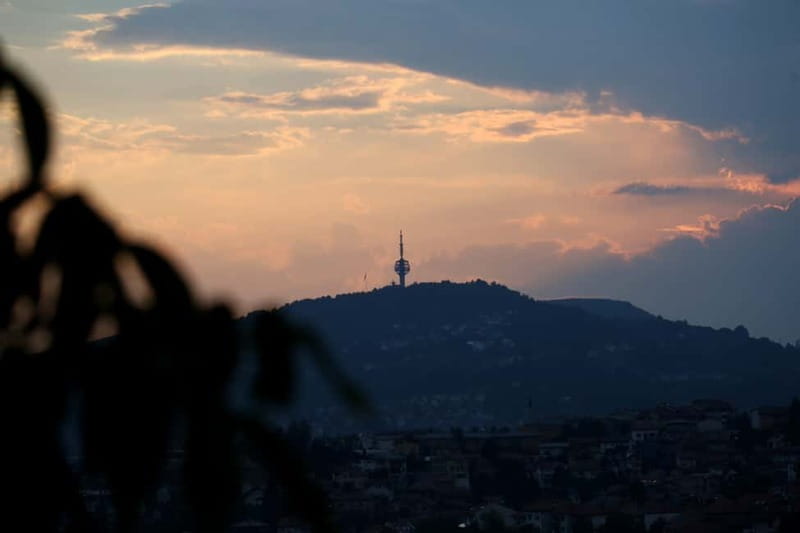
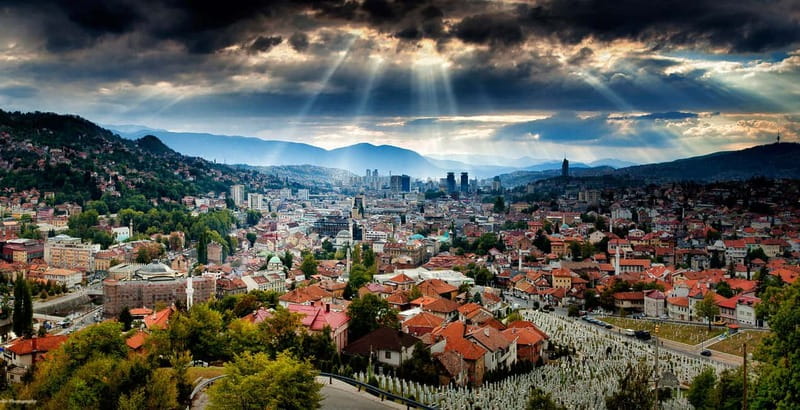
Sarajevo can be confusing at first. Its center is compact, but the city’s story reaches from Ottoman rule to the Austro-Hungarian period, the First World War, the 1984 Olympics, and the 1990s war. A short old-town walk alone can leave you with attractive buildings but little sense of how the pieces fit together.
This route solves that problem by linking the city’s main themes. You begin in the historic core, go uphill for the Olympic story, and finish with the siege. The order also makes practical sense. You get your bearings on foot before using transport to reach places that are too far apart for an ordinary walking tour.
The tour lasts about seven hours and includes transport, a licensed guide, and traditional food and drinks. It is a full day, not a quick orientation, so you should plan to give it most of your sightseeing time in Sarajevo.
A few more Sarajevo trips to weigh up
- From Sarajevo: Full-Day Hike to Lukomir Village
★ 5.0 · 90 reviews - From Sarajevo: Full-Day Hike to Lukomir Village
★ 5.0 · 59 reviews - From Sarajevo: Medjugorje Pilgrimage Full-Day Tour
★ 5.0 · 42 reviews
Baščaršija, Sarajevo’s Ottoman heart
The day begins at Insider City Tours and Excursions, at Zelenih beretki 30. From there, the historic center leads you into Baščaršija, the old Ottoman quarter where cobbled lanes and traditional architecture create a sharp change from the city’s later European buildings.
This is the right place to start because Sarajevo’s identity comes from its position between Eastern and Western cultural worlds. The guide explains how the city became a meeting point for different traditions, rather than presenting the old town as a collection of pretty streets.
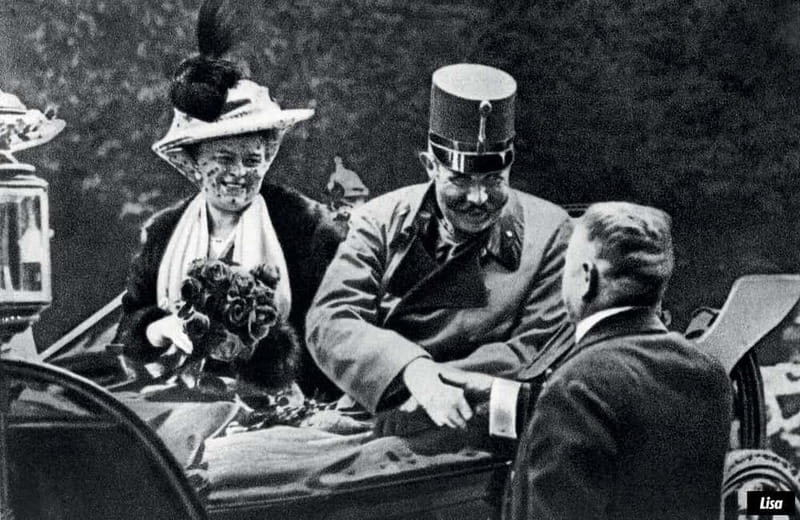
You can expect a walking portion through the old center, with stops tied to Sarajevo’s major historical moments. One important site is the location connected with the assassination of Archduke Franz Ferdinand. That event helped trigger the First World War, and standing at the spot makes the scale of the consequences feel surprisingly immediate.
I like this part of the tour because it gives you more than dates. The guide can explain how the Ottoman city developed, how Austro-Hungarian rule changed its appearance, and how Sarajevo’s location shaped its political importance. Guides such as Denis and Bojan have been praised for making these stories easy to follow and for welcoming questions.
The old town is also where the food element begins to make sense. Bosnian hospitality is not an abstract idea here. Coffee, conversation, and shared food are part of how people spend time together, and the tasting gives you a small but useful introduction to that custom.
Bosnian coffee and traditional food
The Bosnian coffee experience is one of the tour’s most appealing details. It is not simply a caffeine stop between monuments. You get a chance to see how coffee fits into local social life, with the guide explaining the tradition as you taste it.
Traditional Bosnian coffee is served in a distinctive style, and the ritual matters as much as the drink. Take your time rather than treating it like a fast espresso break. The tour also includes a traditional food tasting, and one guide even suggested a local dish unfamiliar to the group. That kind of personal recommendation can be more useful than a fixed menu aimed at tourists.
The food stop will not replace a full lunch, so keep your expectations sensible. It is best understood as a cultural tasting included in the day, not an all-you-can-eat meal. If you want a larger lunch, ask the guide about local options during the tour.
I see this as a strong value point. Many city tours talk about local life while spending the whole day at monuments. Here, you get at least one direct connection with how Sarajevo eats, drinks, and welcomes people.
Sarajevo’s religious landmarks and shared city life
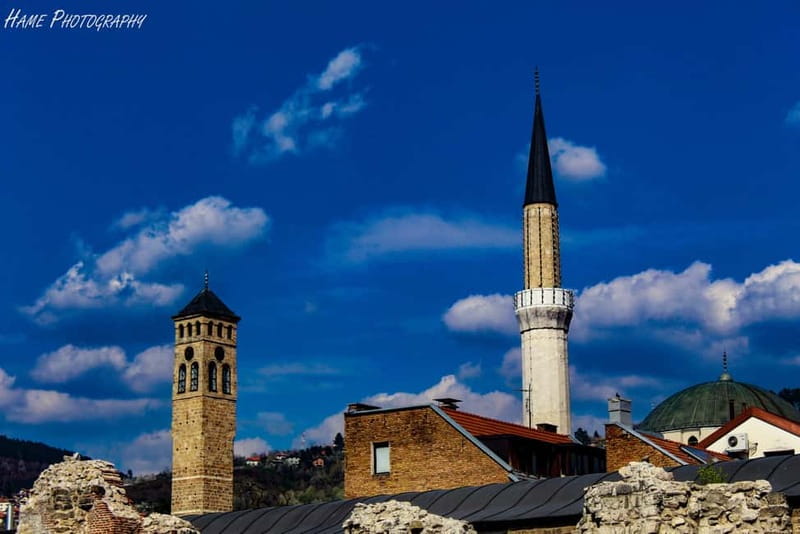
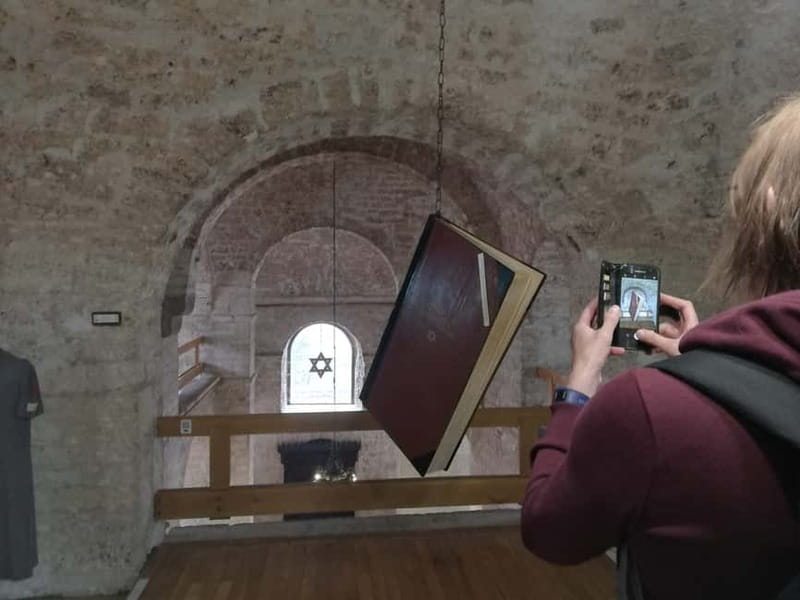
Sarajevo’s religious buildings help explain why the city is often described as a meeting point of cultures. The entry package includes the Bey’s Mosque, an Orthodox church, and a synagogue, along with the Tunnel Museum and cable car.
The exact rhythm of these visits can depend on opening conditions and the group, but the purpose is clear. You see how Islamic, Orthodox Christian, Jewish, and other traditions have shaped the city side by side. The guide provides the historical links so that the buildings do not feel like isolated photo stops.
The Bey’s Mosque connects you with Sarajevo’s Ottoman past. The Orthodox church and synagogue widen the picture, showing that the city’s story cannot be reduced to one community or one period. This is one of the places where a guide adds real value. Without context, you might notice architectural differences but miss the larger point about Sarajevo’s shared urban life.
Dress rules are important. Shorts, short skirts, sleeveless shirts, and open-toed shoes are not allowed on the activity. Wear modest, comfortable clothing and practical walking shoes. High heels are also prohibited, which is sensible given the cobbled streets and uneven surfaces.
Same country, a completely different kind of day:
- Sarajevo: Mostar, Konjic, Blagaj Tekke, Pocitelj & Waterfall
★ 4.9 · 1,666 reviews - Fall of Yugoslavia, Sarajevo War Tour with Tunnel of Hope Museum and Frontlines
★ 5.0 · 1,314 reviews - Sarajevo: Grand Walking Tour Through Time and Cultures
★ 4.8 · 1,236 reviews - Sarajevo: Mostar, Konjic, Sufi House, Pocitelj & Kravice Falls
★ 5.0 · 1,179 reviews
Trebević Cable Car and the 1984 Olympics
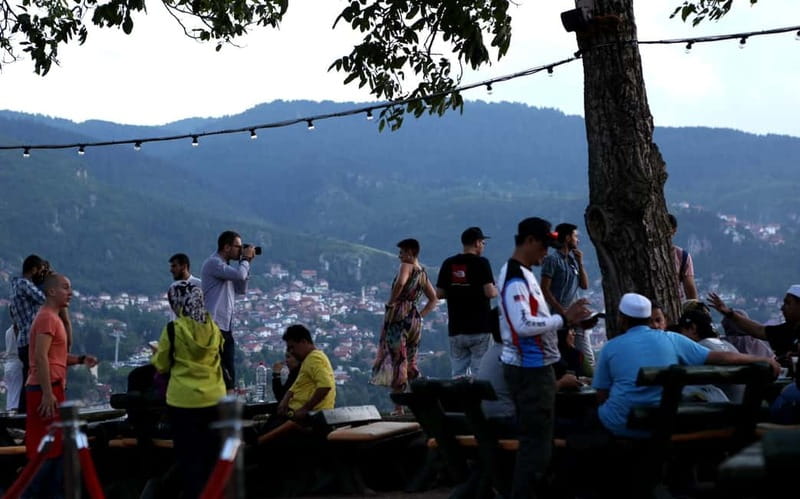
The move to Trebević changes the mood of the day. After the close streets of the old center, the cable car takes you toward higher ground and broad views over Sarajevo.
Trebević is closely tied to the 1984 Winter Olympics, an event that brought global attention to the city. The mountain still carries reminders of that sporting era, including the old bobsled track. Walking beside the track gives you a tangible link to Sarajevo’s proud Olympic years, before the war changed the city so dramatically.
The bobsled track is not presented as a polished modern attraction. Its worn condition is part of what makes the stop meaningful. You see the remains of a major international event alongside a city that later endured years of conflict. That contrast gives the Olympic story more weight.
I also like the change of pace. You are outdoors, moving on foot, and looking down over the city rather than hearing another indoor lecture. The mountain section helps break up the serious wartime material that comes later.
The cable car is part of the extra entry package, so remember that the $81 price does not cover all admissions. The added 30 euros may feel significant, especially for solo visitors, but it pays for several of the day’s main sights rather than one optional museum.
Conditions on the mountain can vary, and the tour information specifically recommends practical footwear while ruling out high heels and open-toed shoes. If you have difficulty walking, this is not a good choice. The activity is not suitable for wheelchair users or people with mobility impairments.
Driving through Sniper Alley
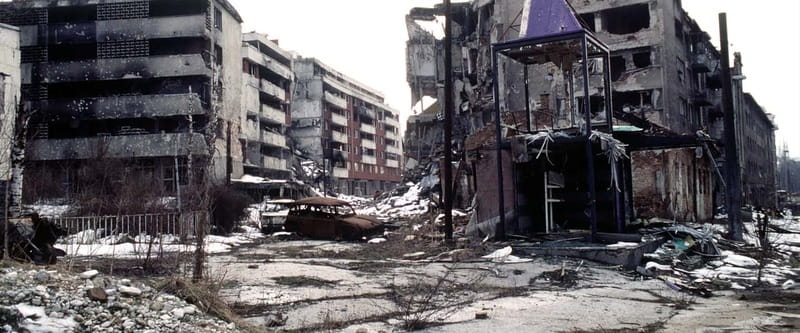
The afternoon shifts toward Sarajevo’s recent past. Transport is useful here because the wartime sites lie beyond the old center, and the drive helps you understand the city’s geography.
Sniper Alley is one of the most recognizable names connected with the Siege of Sarajevo. Seeing the route as part of the living city is more useful than treating it as a distant historical label. You can connect the guide’s explanation with the roads, hills, and buildings around you.
The driving section is also where clear explanation matters most. A siege map can help you understand the front lines and the city’s position during the conflict. The guide may provide this context at the Tunnel Museum, but I would also suggest looking at a siege map on your phone before the tour. It will make the stories during the drive easier to place.
This part can be emotionally heavy. The tour deals with civilian survival, danger, and the ways people moved through a city under attack. It is not a light sightseeing afternoon, and you should choose it because you want to understand Sarajevo, not simply collect landmarks.
Several guides have brought different kinds of experience to this section. Denis has been praised for answering questions and explaining the wider forces behind the conflict. Another guide described in the tour experience served as a police officer during the war and offered firsthand insight into daily life during the siege. Safet, Fariz, and Emir have also led departures, with particular praise for warmth, clear English, and personal connection to the city.
The Tunnel of Hope and the War Tunnel Museum
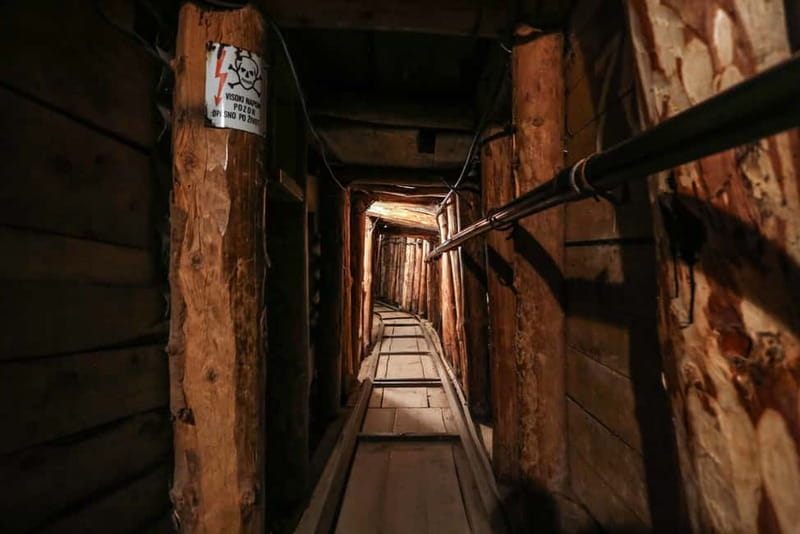
The War Tunnel Museum is the emotional center of the day. During the siege, the tunnel served as a lifeline for Sarajevo, connecting the city with the outside world under conditions of extreme danger.
You walk through a section of the Tunnel of Hope rather than simply looking at photographs. The passage is narrow and direct, which helps you understand the physical effort involved in using it. The museum adds maps, displays, and explanations that place the tunnel within the wider siege.
The visit is powerful because it shifts the story from military headlines to practical survival. Food, supplies, communication, and movement all depended on routes like this. The guide’s explanation helps you see why the tunnel mattered and what it represented for people trapped in the city.
Give yourself room to process this stop. It is not a quick attraction to rush through before dinner. The combination of the drive, Sniper Alley, the museum, and the tunnel can be intense, but it also gives the tour a clear purpose. Sarajevo’s story is not only about old buildings and famous events. It is also about how ordinary people endured a recent crisis.
Guide quality and the value of local perspective
A full-day history tour depends heavily on the guide, and this experience appears to use that strength well. Guides including Denis, Fariz, Safet, Emir, and Bojan have been singled out for friendly conversation, fluent English, clear explanations, and genuine care for Sarajevo.
That does not mean every departure will feel identical. Guide style can vary, and some days may include more than one guide, especially for the wartime section. Still, the format gives you a useful blend of general history and lived experience.
I would encourage you to ask questions. The guides are expected to speak Bosnian and English, and the strongest moments come when the conversation moves beyond prepared facts. You can ask about food, religion, the Olympics, the war, or how Sarajevo lives today with all these layers around it.
The transport also receives strong marks, and it matters because the route covers several separate parts of the city. A friendly, helpful driver and a good vehicle keep the day from becoming tiring, though you should still expect regular walking and some uneven ground.
Is $81 plus 30 euros a fair price?
The listed price is $81 per person, with an additional entry package of 60 BAM, or about 30 euros. That puts the practical cost higher than the headline figure, so compare the full amount when planning your budget.
Even so, I think the price can be fair if you want an all-in-one introduction to Sarajevo. You are paying for seven hours, a licensed guide, transport, food and drink tasting, the cable car, religious sites, and the War Tunnel Museum. Booking these separately would take more planning and would make it harder to connect the stories.
The value is strongest for a first visit or a short stay. If you have three or four days in Sarajevo, you might prefer separate visits at a slower pace. If you have only one full day, this tour covers an unusually broad section of the city.
The main tradeoff is time. You will see many important places, but you will not linger everywhere. The tour favors range and explanation over a slow, unstructured day in one neighborhood.
Who should book this Sarajevo tour?
I would choose this experience if you want a serious introduction to the city and prefer a guide to connect the pieces. It suits people interested in Ottoman and Austro-Hungarian history, the First World War, the Olympics, religion, food, and the Bosnian War.
It is also a good fit if you are traveling alone or as a couple and want efficient transport between distant sights. In the low season, the group can be very small, even one-to-one, which may lead to more conversation with the guide.
I would not recommend it if you want a relaxed café day or a tour focused only on architecture. The wartime section is central, not an optional side note. It is also unsuitable for wheelchair users, people with mobility impairments, and people with epilepsy.
Wear sturdy closed shoes and modest clothing. Large bags and luggage are not allowed, so bring only what you need for the day.
Should you book Best of Sarajevo?
Book it if you want one well-organized day that explains why Sarajevo looks, feels, and remembers the way it does. The strongest features are the range of subjects, the use of local guides, the Trebević Olympic stop, and the direct walk through the Tunnel of Hope.
Think twice if the extra 30 euro admission cost strains your budget or if you dislike a tightly packed itinerary. For most first-time visitors with limited time, I think the combination of old town, mountain, food, religious landmarks, and wartime history makes this a practical and worthwhile choice.
FAQ
How long does the Best of Sarajevo tour last?
The tour lasts seven hours.
What is the tour price?
The tour price is $81 per person. An additional entry package costs 60 BAM, or about 30 euros per person.
What does the entry package include?
The entry package includes the cable car, Bey’s Mosque, the synagogue, the Orthodox church, and the Tunnel Museum.
Where is the meeting point?
The meeting point is Insider City Tours and Excursions Sarajevo, at Zelenih beretki 30.
What languages are available?
The live tour guide is available in Bosnian and English.
Is transport included?
Yes. Transportation and a licensed tour guide are included.
Are food and drinks included?
Yes. The tour includes traditional food and drinks tasting, including a Bosnian coffee experience.
Can I cancel the booking?
You can cancel up to 24 hours in advance for a full refund.
Is the tour suitable for people with limited mobility?
No. The activity is not suitable for wheelchair users or people with mobility impairments. It is also not suitable for people with epilepsy.
Just added around Sarajevo
- Sarajevo Under Siege: A War History Tour★ 5.0 · 10 reviews
- WAR TUNNEL – Sarajevo’s only way of a communication during the WAR – Top secret★ 5.0 · 12 reviews
- Private Full Day Safari Tour★ 5.0 · 8 reviews
- Ultimate Gastro Experience★ 4.5 · 14 reviews
- Mysterious Visoko Pyramids Driving and Walking Tour★ 5.0 · 7 reviews
- Secret Tito’s Bunker/Konjic Tour★ 5.0 · 4 reviews
- The Secret Lifeline: Sarajevo’s War Tunnel Tour★ 5.0 · 6 reviews
- Crossroads of Cultures – Sarajevo Walking Tour★ 5.0 · 8 reviews
Full-Day, compared.

Mostar and Kravice Waterfalls Full-Day Tour from Split
Read our review →
Full-Day Tour in Herzegovina, Blagaj, Počitelj, and Kravice
Read our review →
Full-Day Herzegovina Tour with Blagaj, Pocitel and Kravice Waterfalls
Read our review →Browse the lists this tour appears in