
Reviewed · FOOD & DRINK
Sarajevo Rakija Tasting Tour & Local Bites 🥃
Sarajevo’s most social drink comes in a small glass, but this is not a shot tour. You’ll walk through Baščaršija, visit two long-standing local kafanas, and learn why rakija is meant to be sipped slowly while conversation gathers around the table.
I like the mix of five fruit brandies and carefully matched mezze. I also like the small-group format, limited to six people, which gives guides such as Nermin, Namir, and Numa room to tell stories and keep the evening personal. The main drawback is that this is an adults-only tasting, and the exact meeting instructions need a quick check because the tour details mention both Sebilj and the clock opposite the train station.
Key points to know before booking
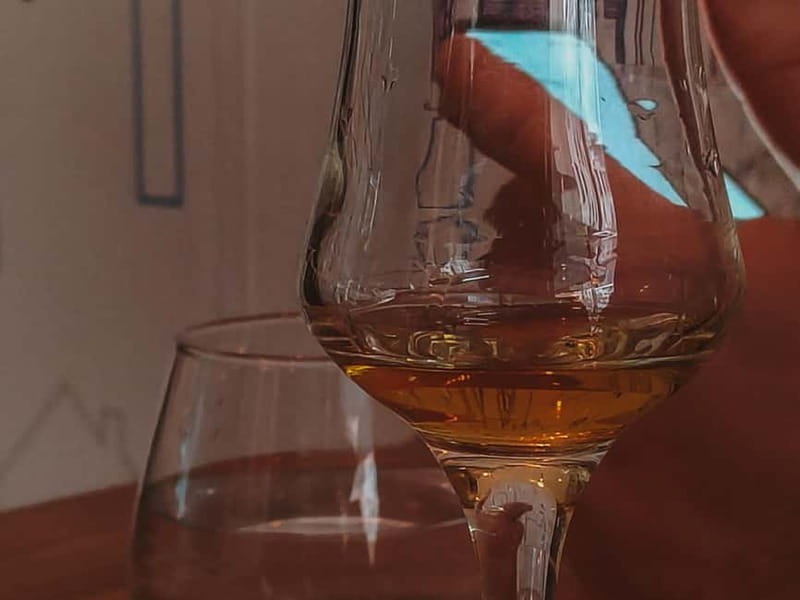
- Five homemade rakijas: Expect fruit brandies made from different local fruits, including the bold plum-based Šljivovica and sweeter Višnjevača.
- Two traditional kafanas: You’ll visit old-style local bars that have served Sarajevo residents for decades.
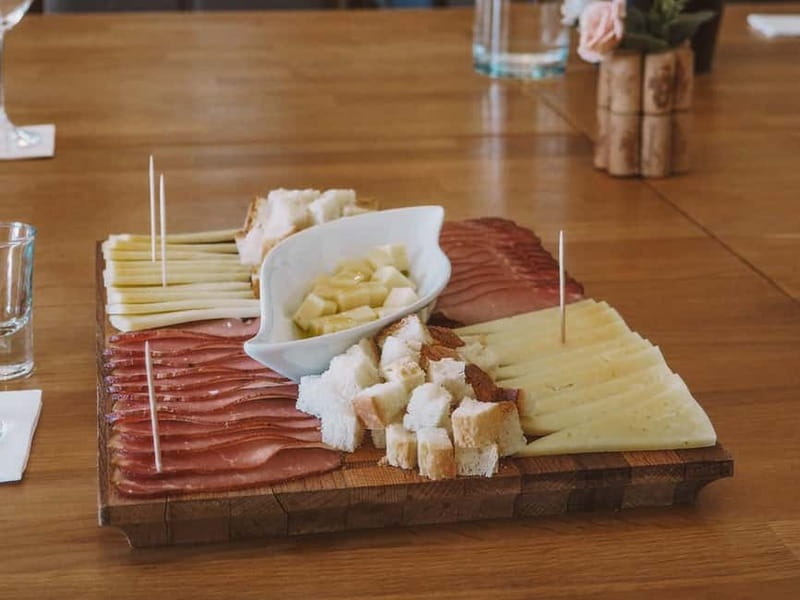
- Mezze with every stop: Small plates of local snacks are included and chosen to suit the drinks.
- Six-person maximum: The small group makes it easier to ask questions and talk with the guide.
- Ćejf in practice: The evening is built around slow sipping, music, food, and easy conversation rather than fast drinking.
- Three hours in central Sarajevo: The route uses walking between stops in and around Baščaršija, so comfortable shoes are useful.
Why this Sarajevo rakija tour feels different
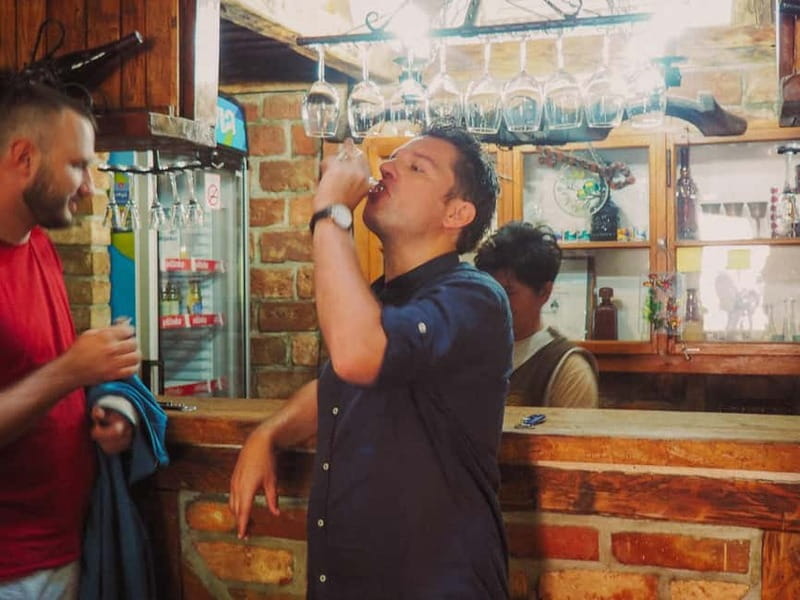
Rakija is not simply Bosnia and Herzegovina’s answer to a shot of liquor. It is part of the region’s everyday social life, often poured when friends arrive, when a meal begins, or when a family has something to celebrate. This tour gives you the useful local rule: you do not toss it back and move on.
The better approach is to take a small sip, notice the fruit and heat, and let the drink remain part of the conversation. That matters because rakija can be strong, and rushing through five samples would turn a cultural evening into a test of endurance.
The tour also introduces ćejf, a Bosnian idea of enjoying small pleasures without hurrying. Here, that means sitting in a familiar café, sharing snacks, listening to traditional music, and making time for the people around you. You get a more useful sense of Sarajevo than you would from a bar crawl focused only on alcohol.
The experience costs $70 per person and lasts three hours. That is a fair price if you value the guide, the background stories, five tastings, food at two stops, water, and the chance to enter local institutions rather than simply order drinks on your own. It is less attractive if your main goal is a large meal or a long night of drinking, since additional food and drinks cost extra.
A few more Sarajevo trips to weigh up
- Private Walking Tour, Food Tasting and Bosnian Coffee in Sarajevo
★ 5.0 · 255 reviews - Sarajevo: 4-Hour Food And Craft Tour
★ 5.0 · 70 reviews - Sarajevo: Sarajevo City Market, Old Town Food Tasting Tour
★ 4.9 · 69 reviews
Starting near Sebilj in Baščaršija
The listed route begins at Sebilj, the wooden fountain that anchors Sarajevo’s old bazaar area. From here, your guide leads you through Baščaršija on foot. The walk helps set the tone: you are not being driven from one anonymous venue to another, but moving through the historic center before sitting down with a drink.
Baščaršija is compact enough for a walking evening, though the old streets can be uneven and crowded at times. Wear shoes you can manage comfortably for three hours. The route is not presented as a sightseeing walk with a long list of monuments, so think of the streets between stops as a way to connect the food, drink, and city stories.
The meeting information deserves attention before you leave your hotel. One part of the details identifies Sebilj as the starting location, while another says to meet next to the clock opposite the train station. Since those are different parts of Sarajevo, confirm the exact point with the operator when you book.
First kafana: rakija, mezze, and the right pace
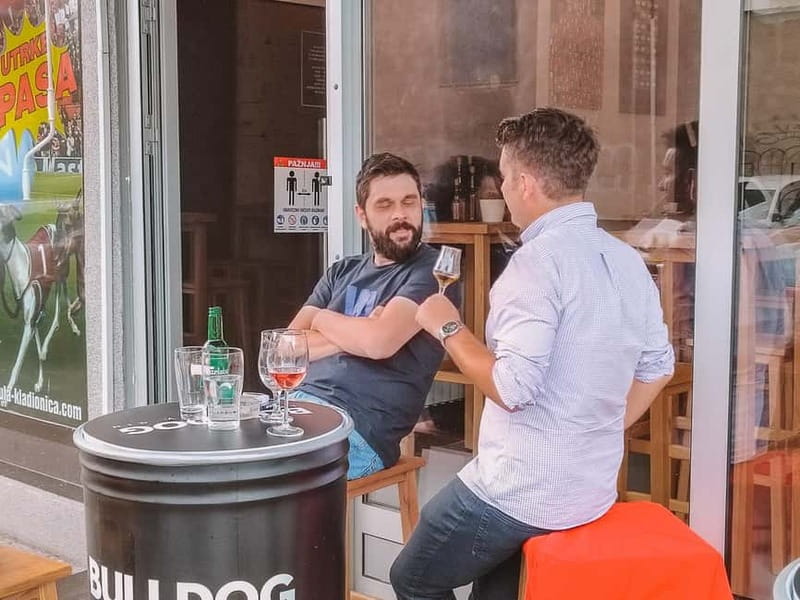
At the first local bar, you begin tasting the fruit brandies. Five different rakijas are included in the experience, and the selection is made from different fruits. The flavors can range from forceful plum to lighter or sweeter fruit styles.
Šljivovica, made from plums, is the classic reference point. It usually gives you the clearest idea of rakija’s strength and character. Višnjevača, made with sour cherries, offers a softer and sweeter contrast. The point is not to pick a winner after one sip, but to notice how fruit changes the drink.
You also receive complimentary mezze, the small plates served with the tasting. The details of the dishes are not fixed, but the food is intended to support the flavors of the rakija. Expect the first stop to feel more like a shared table than a formal lesson.
This is where a guide adds real value. Nermin is described as a host who knows the region and the drink well, while Numa is praised for making the evening feel like time spent with a friend. Namir is also named as a guide. Guide assignments can change, but these names give you an idea of the personal style attached to the experience.
Water is included, both still and sparkling. Use it. Rakija can be deceptively easy to drink when fruit sweetness covers the alcohol, and water lets you slow the pace between tastings.
The walk back through Sarajevo’s old quarter
Between the two bars, you walk through Baščaršija again. This second stretch gives the evening a natural pause and keeps the tasting from feeling like five drinks in quick succession.
Your guide may use the walk to explain how rakija fits into Bosnian life, from the Ottoman period to the present. The provided tour description makes that historical connection part of the experience, but the exact amount of history depends on the guide and the group’s questions.
Traditional music is also part of the atmosphere at the local bars. That does not mean you are attending a staged folklore show. The appeal is simpler: you sit in places associated with ordinary Sarajevo social life, hear local sounds, and share food while the guide explains what you are drinking.
The route is best for someone who likes a little movement between courses. If you want to remain seated in one place all evening, this format may feel less convenient. On the other hand, the short walks give you time to reset your palate and enjoy the city at night.
Same country, a completely different kind of day:
- Sarajevo: Mostar, Konjic, Blagaj Tekke, Pocitelj & Waterfall
★ 4.9 · 1,666 reviews - Fall of Yugoslavia, Sarajevo War Tour with Tunnel of Hope Museum and Frontlines
★ 5.0 · 1,314 reviews - Sarajevo: Grand Walking Tour Through Time and Cultures
★ 4.8 · 1,236 reviews - Sarajevo: Mostar, Konjic, Sufi House, Pocitelj & Kravice Falls
★ 5.0 · 1,179 reviews
Second kafana: comparing flavors instead of chasing strength
The second local bar brings another round of rakija and more mezze. Having already tasted several styles, you can compare the drinks more intelligently. You may notice differences in sweetness, fruit aroma, warmth, and finish rather than simply deciding which glass feels strongest.
The experience description promises five different rakijas. One account of the evening records six flavors, so the exact number may vary slightly by guide or availability. Treat five as the dependable expectation, and ask your guide about the sample count and fruit types at the start.
The small-group limit is important here. With no more than six people, you can ask what a particular fruit is, how the brandy was made, or why one style is served sweeter than another. A large group would make that kind of conversation harder, especially in a traditional café.
The food also keeps the tasting grounded. Mezze gives you something to eat with each round and turns the drinks into part of a meal. Still, the included snacks are not a substitute for dinner. If you arrive hungry, plan another meal, since additional food and drinks are not included in the $70 price.
What the five rakijas can teach you
The best way to approach the tasting is to compare, not compete. Start with the aroma, take a small sip, and think about the fruit character before focusing on the alcohol. Your guide can explain the differences, but you will learn more if you give each style a moment.
Here is the kind of progression you can expect:
- Plum rakija can give you the boldest, most traditional reference point.
- Sour-cherry rakija can show how fruit sweetness changes the impression.
- Other homemade fruit styles can make the range feel wider than the familiar plum version.
- Mezze can soften the alcohol and bring out savory or sweet notes.
- Water helps you keep your palate clear and your pace sensible.
The tasting is not designed to turn you into a professional spirits judge. Becoming a rakija connoisseur by the end is playful language, but you should leave able to recognize a few styles, understand the local etiquette, and order with more confidence.
The homemade character is part of the appeal. You are not being shown only one commercial label or a single standardized product. Instead, the evening presents rakija as a drink shaped by fruit, household methods, and local taste.
Why the guide matters so much
The strongest part of this experience is likely to be the person leading it. Nermin is associated with clear regional and rakija background. Numa is described as warm and conversational, and Namir is also named as a guide. The tour is available in English, German, Serbian, Bosnian, and Croatian.
That language range makes the experience useful for a wide mix of visitors, but check your preferred language when booking. A personal food and drink tour works best when you can ask questions easily.
You should also tell the guide if you prefer sweeter or stronger flavors. One account notes that the group could choose flavors, though that may depend on what is available that evening. A guide can explain the choices and help you pace yourself, but the tour is still a tasting of alcoholic drinks, not a private menu designed around individual preferences.
The social side matters too. The evening is built for conversation with the guide and the other five or fewer participants. If you enjoy meeting people over food, the format has a natural charm. If you prefer a quiet, private meal, you may find the shared-table setting less comfortable.
Price, timing, and practical value
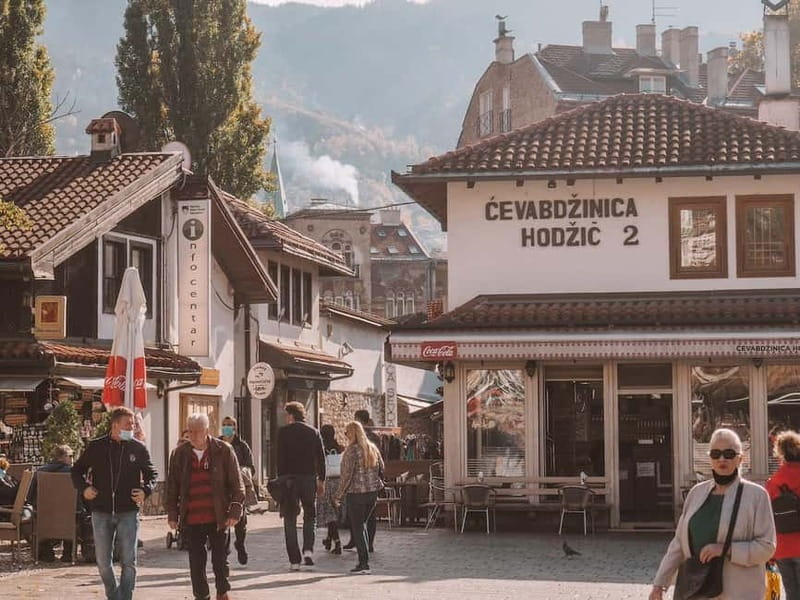
At $70 per person, the tour includes five rakija samples, water, mezze, the guide, the walking route, and entry into two traditional kafanas. Since you would pay separately for drinks and food in any case, the price is not excessive, especially if the group is full at six people and the guide is strong.
The value comes from access and context. Ordering rakija alone is easy. Knowing which kind to try, how to drink it, what food suits it, and why the drink matters in Bosnian culture is harder to pick up during a short visit.
The three-hour length gives the evening enough room for two stops without making the tasting feel rushed. It also means you should not schedule another fixed activity too tightly afterward. The route is an evening social experience, and the pace may vary with the group and the conversation.
Free cancellation is available up to 24 hours before the start for a full refund. You can also reserve and pay later, which is useful if your Sarajevo plans may change. The experience is limited to people aged 18 and older.
Who should book this experience
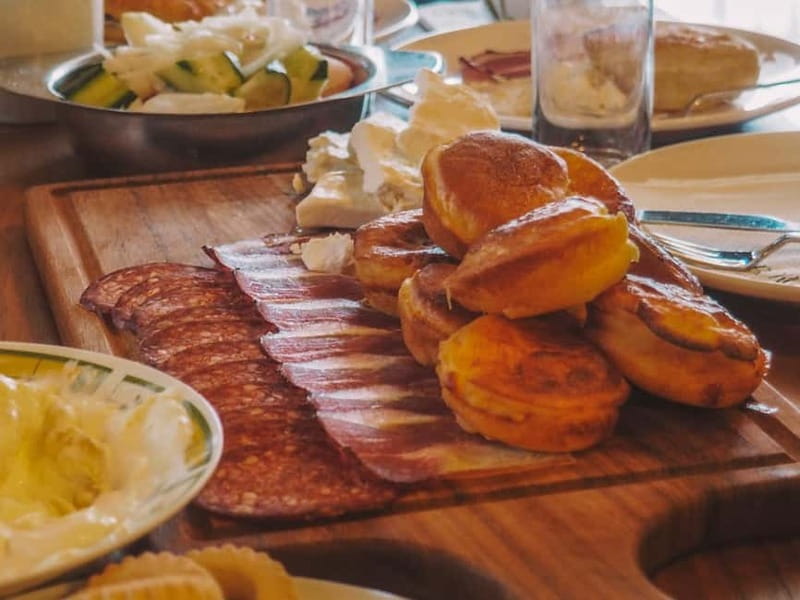
I would choose this tour if you want local food and drink with some cultural explanation, rather than a standard sightseeing walk. It suits adults who enjoy trying unfamiliar flavors, sitting in traditional cafés, and talking with a small group.
It is also a good first evening in Sarajevo if you want a gentle introduction to Baščaršija and local social customs. You will learn the basics of rakija without having to plan two venues, choose the samples, or work out the etiquette yourself.
You should think twice if you do not drink alcohol, dislike strong spirits, or want a full dinner included. The mezze is complimentary and substantial enough to accompany the samples, but the tour does not promise a complete evening meal.
The experience is also not suitable for anyone under 18. Because the route includes walking and two separate bars, it is best for people comfortable moving through the old center and sitting in social café settings.
Should you book the Sarajevo rakija tasting?
Book it if you want the drink to be a doorway into Sarajevo’s culture, not just another item on a bar menu. The two kafanas, the small group, the local mezze, and the focus on ćejf give the evening a clear sense of place.
The biggest reason to book is the human element. Guides such as Nermin, Namir, and Numa are central to the experience, and the format gives them room to turn a tasting into a relaxed conversation about Sarajevo and rakija.
Skip it if you are looking for a large meal, a private tour, or a fast-paced nightlife crawl. For everyone else, $70 is a sensible spend for three hours of guided tasting, food, local bars, and a useful lesson in how to enjoy Bosnia’s most famous fruit brandy slowly.
FAQ
How long is the Sarajevo rakija tasting tour?
The experience lasts three hours.
How many rakijas are included?
Five different rakija tastings are included. One account of the experience mentions six flavors, so the exact number may vary slightly.
What kinds of rakija might I taste?
The tasting can include different homemade fruit rakijas, such as Šljivovica made from plums and Višnjevača made from sour cherries.
Is food included?
Yes. Complimentary mezze and local snacks are served at the two bar stops to complement the drinks.
Are extra drinks and food included?
No. Additional food and drinks are not included.
How many people are in the group?
The group is limited to six participants.
Where does the tour meet?
The route information identifies Sebilj as the starting location. The meeting instructions also mention the clock opposite the train station, so confirm the exact meeting point before arrival.
Which languages are available?
The tour can be offered in German, English, Serbian, Bosnian, and Croatian.
Can children join the tour?
No. The experience is not suitable for children under 18.
Can I cancel the booking?
Yes. You can cancel up to 24 hours before the tour for a full refund. Reserve now and pay later is also available.
Just added around Sarajevo
- Sarajevo Under Siege: A War History Tour★ 5.0 · 10 reviews
- WAR TUNNEL – Sarajevo’s only way of a communication during the WAR – Top secret★ 5.0 · 12 reviews
- Private Full Day Safari Tour★ 5.0 · 8 reviews
- Ultimate Gastro Experience★ 4.5 · 14 reviews
- Mysterious Visoko Pyramids Driving and Walking Tour★ 5.0 · 7 reviews
- Secret Tito’s Bunker/Konjic Tour★ 5.0 · 4 reviews
- The Secret Lifeline: Sarajevo’s War Tunnel Tour★ 5.0 · 6 reviews
- Crossroads of Cultures – Sarajevo Walking Tour★ 5.0 · 8 reviews
Food & Drink, compared.
Private Walking Tour, Food Tasting and Bosnian Coffee in Sarajevo
Read our review →
Sarajevo City Market, Old Town Food Tasting Tour
Read our review →
LUKOMIR VILLAGE HIKE & TREK TOUR (nature, hike, food & panorama)
Read our review →
Browse the lists this tour appears in