
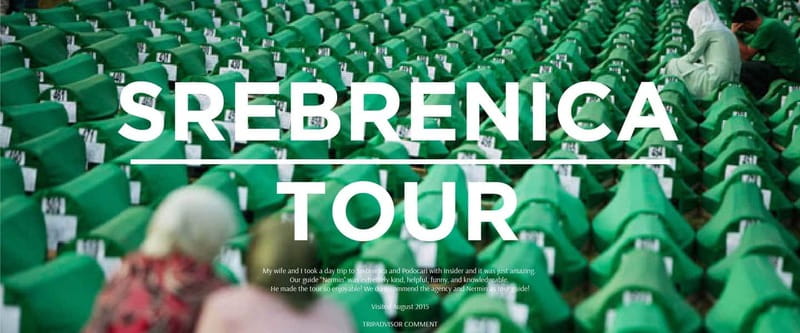
Reviewed · SREBRENICA MEMORIAL TOURS
Sarajevo: Srebrenica Genocide Memorial and Testimonial Tour
Srebrenica is not a casual day trip. It takes you to the site of the July 1995 genocide, where more than 8,000 Bosniak men and boys were killed. The visit to Potočari Memorial and the former UN base brings the events out of textbooks and into a real place of mourning, memory, and unanswered questions.
I like two things here. First, the tour gives you more than a drive-by memorial visit: you see the Gallery of Genocide inside the old UN base and hear a personal testimonial. Second, the long drive from Sarajevo is used well, with explanations about the war, nearby points of interest, and the Bosnian countryside. The main consideration is emotional weight. This can be a harrowing day, and the nine-hour schedule leaves little room for a light, relaxed outing.
Key points to know before booking
- Potočari Memorial honors more than 8,000 victims of the Srebrenica Genocide.
- The former UN base now houses a museum, giving you a direct look at the international presence during the crisis.
- A personal testimonial adds human detail that dates and military facts cannot provide.
- The journey takes about nine hours, including the drive from Sarajevo and the return.
- Miralem and Safet are among the guides named by participants, though your guide is assigned by the operator.
- Modest clothing and a headscarf are required, and food and drinks are not included.
Why Srebrenica belongs on a Sarajevo itinerary
Sarajevo tells much of the story of the Bosnian War through museums, streets, and memorials. Srebrenica takes you to one of its most painful locations. The town became internationally known after the genocide of July 1995, when Bosniak men and boys were killed after Srebrenica had been declared a United Nations safe area.
You do not come here for pretty sights alone. You come to understand how a quiet eastern Bosnian town became the scene of mass murder, how international forces responded, and why remembrance remains central to Bosnia and Herzegovina today.
The tour is especially useful if you want historical context explained as you go. The guide covers the timeline of the Bosnian War and the genocide, then connects those facts with the places you see. That makes the day easier to follow than visiting Srebrenica independently with only a map and a museum label.
I would set aside the rest of your day for quiet afterward. The subject matter is painful, and the personal stories can stay with you long after you return to Sarajevo.
More srebrenica memorial tours in Sarajevo:
- From Sarajevo: Srebrenica Genocide Memorial Study Tour
★ 5.0 · 359 reviews - Sarajevo: Srebrenica Genocide Study Tour with War Veteran
★ 5.0 · 263 reviews - From Sarajevo: Srebrenica Genocide Memorial Study Tour
★ 5.0 · 242 reviews
The drive from Sarajevo to eastern Bosnia
The journey begins at the tour provider’s office on Zelenih beretki 30 in Sarajevo. From there, you travel in modern transportation with a licensed guide. The exact departure time depends on availability, so check the schedule when booking.
The drive is part of the experience, not just a transfer. The scenery changes as you leave Sarajevo, and the route gives you time to think before reaching the memorial. The guide can also explain important points along the way. One guide named Miralem was especially praised for pointing out places of interest and discussing the war during the ride.
You may hear about traditional Bosnian food during the journey, and one previous outing included time to try it. Food is not included in the tour price, so bring money for meals and drinks. Since the day lasts nine hours, that is a practical detail, not a minor one.
The road time can feel long, especially if you are hoping for a quick excursion. Still, the distance helps you understand that Srebrenica is not just another stop in central Sarajevo. You are leaving the capital and heading toward an area where villages, roads, and hills carry the memory of the war.
The drive also gives you a chance to ask questions privately and gradually prepare for the memorial. I prefer that to arriving cold, with no context and no sense of what I am about to see.
Potočari Memorial and the cemetery
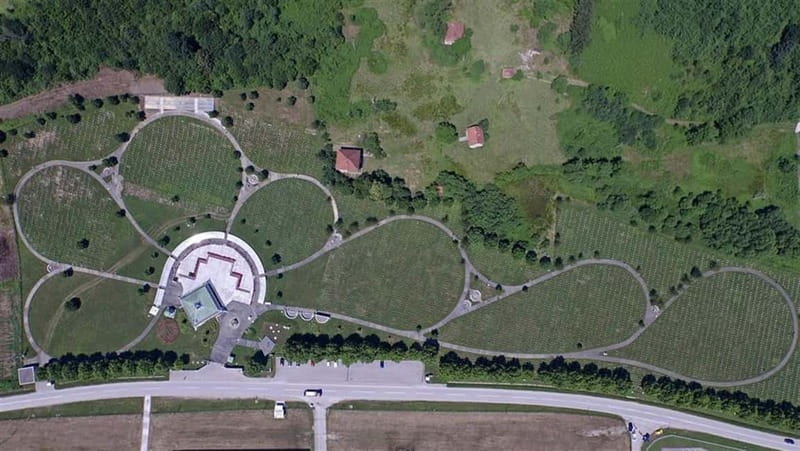
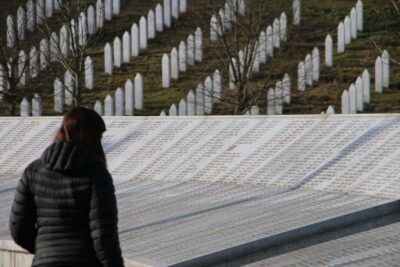
The first major stop is the Srebrenica-Potočari Memorial Complex. White gravestones fill the cemetery, marking victims whose remains have been identified and reburied. The site is quiet and restrained, with no need for elaborate presentation. The scale of the cemetery says enough.
Your guide explains what happened and why the memorial matters. You will learn about the genocide’s place in the Bosnian War and about the ongoing effort to identify and honor victims. The memorial is not simply a historical site. It is an active place of mourning for families and a place where the wider public is asked to remember.
Give yourself time to look around without rushing. You might find the cemetery’s order and silence difficult to absorb, especially after hearing the number of people killed. The guide’s role is important here, but so is personal space.
Appropriate clothing matters. Shorts, short skirts, and sleeveless shirts are not allowed, and you should bring a headscarf. Dress modestly before leaving Sarajevo so you do not have to solve that problem at the entrance.
The memorial is the emotional center of the day, but it is not the only important stop. To understand what happened, you also need to see the building where the international response unfolded.
Inside the former UN base
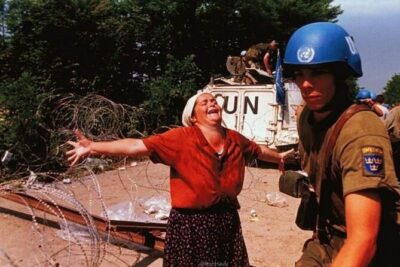
The Gallery of Genocide is housed in the former UN base at Potočari. This is one of the tour’s strongest features because the building itself is part of the story. It was connected with the United Nations presence during the events of 1995, and it now presents exhibits about the genocide and the circumstances leading to it.
Inside, you can expect visual material, historical information, and personal stories. The museum helps explain the role of international forces and the UN base during the genocide. That context matters. It places the tragedy within the wider failure of protection and response, rather than treating it as an isolated event.
A guide leads you through the material, adding explanations that may not be obvious from the displays. The experience is more useful when you take your time with the exhibits and ask questions. If you prefer a simple museum visit with little discussion, this format may feel intense. If you want to understand the chain of events, the guided approach is a clear advantage.
The former base also changes the way you see the memorial outside. You have just learned about decisions, promises, and international involvement in the same place where that history unfolded. The museum and cemetery work together.
Same country, a completely different kind of day:
- Sarajevo: Mostar, Konjic, Blagaj Tekke, Pocitelj & Waterfall
★ 4.9 · 1,666 reviews - Fall of Yugoslavia, Sarajevo War Tour with Tunnel of Hope Museum and Frontlines
★ 5.0 · 1,314 reviews - Sarajevo: Grand Walking Tour Through Time and Cultures
★ 4.8 · 1,236 reviews - Sarajevo: Mostar, Konjic, Sufi House, Pocitelj & Kravice Falls
★ 5.0 · 1,179 reviews
The personal testimonial
The testimonial lecture is the part that moves the subject from public history to individual experience. You hear firsthand accounts from someone connected to the events. The exact speaker is not guaranteed, but the tour description makes personal testimony a central part of the program.
One guide had a personal connection to the atrocities, and the experience was described as particularly humbling. That kind of testimony can explain fear, loss, survival, and resilience in a way that a timeline cannot. It also reminds you that Srebrenica is not an old story detached from living families and communities.
You should be ready for difficult material. This is not a polished performance or a feel-good talk. It is a chance to listen respectfully to someone connected to one of Europe’s worst atrocities since the Second World War.
I find this most valuable when you allow the speaker to set the pace. Avoid treating the lecture as a question-and-answer session for curiosity alone. Ask only what feels respectful and relevant. The point is to listen, understand, and remember.
Srebrenica town and what has changed
The itinerary also includes Srebrenica town itself. The town was once peaceful, but the war changed its population, identity, and daily life. Seeing the town after the memorial gives you a broader view than staying only at the cemetery.
There may not be a long sightseeing stop in the way you might expect from a city tour. The value is in connecting the town to the history you have just learned. Srebrenica is a living place, not only a memorial site, and that distinction matters.
Your guide can explain how the area was affected and how the town has been transformed. The contrast between the quiet setting and the scale of the crime is hard to miss. The scenery can look calm, but calm surroundings do not mean a calm past.
This is one reason the drive and town visit should be treated as part of one story. The day moves from Sarajevo, through eastern Bosnia, into the memorial complex, the former UN base, and the town. Each stop adds a different piece.
What the $76 price includes
At $76 per person, the tour is priced as a full-day guided excursion rather than a simple transport service. The cost includes a licensed guide and modern transportation. It does not include food or drinks.
For me, the value rests on three things: the distance from Sarajevo, the guidance at the memorial and museum, and access to a testimonial lecture. A cheaper independent trip might cover the fuel or transport, but it may not give you the same structure or historical explanation.
The price is easier to justify if you want the day handled from start to finish. You do not need to plan the route, work out how to connect the memorial with the former UN base, or find someone to explain the war as you go.
It is less appealing if you only want a short outing or have no interest in guided history. The tour spends nine hours on a serious subject, and you are paying for interpretation as much as for the vehicle.
Reserve and pay later is available, and cancellation is free up to 24 hours before departure. Those policies help if your Sarajevo schedule is still changing, but the main booking decision should be your readiness for the content.
Guides, language, and the pace of the day
The tour is offered in Bosnian and English. Your guide may be different from the people named in past accounts, but Miralem and Safet are two guides associated with especially strong experiences. Miralem was praised for combining war history with points of interest along the route, while Safet was valued for his understanding of the genocide.
The guide’s personality can shape a day like this. You want clear facts, a respectful tone, and enough sensitivity to know when to stop talking. A charming driver can make the long road easier, but the most important skill is handling painful history without turning it into a spectacle.
The nine-hour schedule is full, though the supplied information does not give an exact hour-by-hour timetable or group size. Check the start time before booking and expect most of the day to be committed.
Do not plan a demanding evening activity afterward. Even if the drive is comfortable and the scenery is beautiful, the memorial, museum, and testimonial require attention.
Who should take this tour
I recommend this experience to you if you want to understand Bosnia beyond Sarajevo’s old town and wartime museums. It suits history students, serious culture-minded visitors, and anyone who believes that responsible travel includes listening to difficult local stories.
It is also a strong choice if you are uncomfortable arranging a sensitive site visit alone. The guide provides structure and context, while the transportation removes the practical burden of reaching eastern Bosnia.
You may want to skip it if you are looking for a cheerful day in the countryside, a quick photo stop, or a flexible schedule. The scenery is peaceful, but the subject is not. Children and teenagers may respond differently to the material, so parents should decide based on their age and ability to handle genocide testimony.
Practical preparation for a respectful visit
Wear modest clothing from the start. Shorts, short skirts, and sleeveless shirts are not allowed, and a headscarf is required, so pack one before meeting at Zelenih beretki 30.
Bring money for food and drinks because they are not included. The day lasts nine hours, and one past outing included traditional Bosnian food, but you should not assume that a meal is part of every departure.
Keep your schedule open and your expectations serious. You will have scenic views on the drive, but this is not a sightseeing tour with a memorial added at the end. The central purpose is to learn what happened, hear personal testimony, and honor the dead.
If you want to prepare, read a short account of the Bosnian War before you go. Even a basic timeline will help you understand the guide’s explanations and follow the displays at the former UN base.
Should you book the Srebrenica tour?
Book it if you want a thoughtful, guided visit to one of Bosnia and Herzegovina’s most important historical sites. The combination of Potočari Memorial, the former UN base museum, Srebrenica town, and personal testimony gives you far more than a quick stop at a cemetery.
The strongest reasons to go are the human testimony and the guide-led context. The main reasons to hesitate are the emotional subject, the long nine-hour day, and the extra cost of food and drinks.
For most visitors who want to understand modern Bosnia rather than simply photograph Sarajevo, this is a meaningful use of one day. Go prepared, dress respectfully, listen carefully, and give yourself time afterward to process what you have seen.
FAQ
Where does the tour meet in Sarajevo?
The meeting point is the local tour provider’s office at Zelenih beretki 30 in Sarajevo.
How long does the Srebrenica tour last?
The experience lasts nine hours, including the journey from Sarajevo and the return.
What language is the tour offered in?
Live guiding is available in Bosnian and English.
What does the tour price include?
The $76 price includes a licensed guide and modern transportation.
Are food and drinks included?
No. Food and drinks are not included in the tour price.
What should I bring?
Bring a headscarf and wear modest clothing suitable for the memorial site.
Can I wear shorts or a sleeveless shirt?
No. Shorts, short skirts, and sleeveless shirts are not allowed.
Can I cancel the booking?
Yes. You can cancel up to 24 hours in advance for a full refund. Reserve now and pay later is also available.
Just added around Sarajevo
- Sarajevo Under Siege: A War History Tour★ 5.0 · 10 reviews
- WAR TUNNEL – Sarajevo’s only way of a communication during the WAR – Top secret★ 5.0 · 12 reviews
- Private Full Day Safari Tour★ 5.0 · 8 reviews
- Ultimate Gastro Experience★ 4.5 · 14 reviews
- Mysterious Visoko Pyramids Driving and Walking Tour★ 5.0 · 7 reviews
- Secret Tito’s Bunker/Konjic Tour★ 5.0 · 4 reviews
- The Secret Lifeline: Sarajevo’s War Tunnel Tour★ 5.0 · 6 reviews
- Crossroads of Cultures – Sarajevo Walking Tour★ 5.0 · 8 reviews
Srebrenica Memorial Tours, compared.
Srebrenica Genocide Study Tour with War Veteran
Read our review →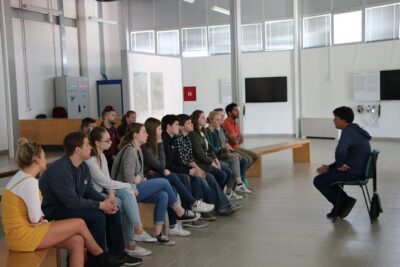
Sarajevo to Srebrenica: Genocide Study Tour with War Veteran
Read our review →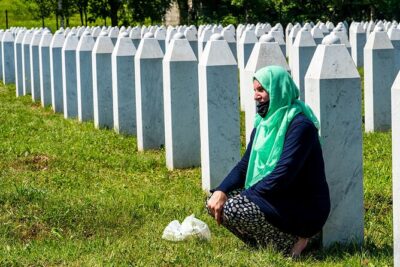
Understanding Srebrenica Genocide Tour + Lunch with Local Family Included
Read our review →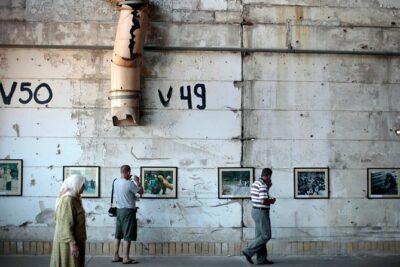
Understanding Srebrenica Genocide – Day tour from Sarajevo
Read our review →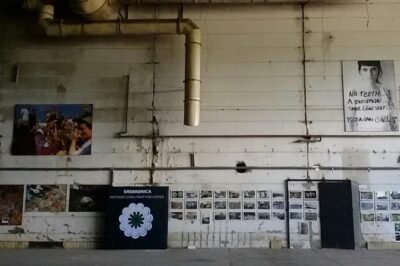
Understanding Srebrenica Genocide + Lunch With Local Family – Private Tour
Read our review →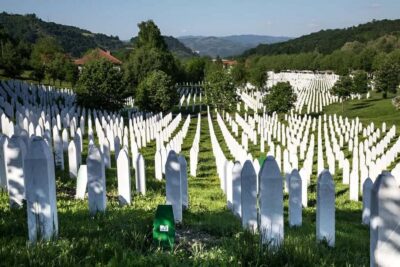
Understanding Srebrenica Genocide + Lunch with Local Family
Read our review →Browse the lists this tour appears in