
Reviewed · SREBRENICA MEMORIAL TOURS
Understanding Srebrenica Genocide – Day tour from Sarajevo
Srebrenica is not a light day out, but it is one of the most important excursions you can take from Sarajevo. The roughly two-and-a-half-hour drive leads to the former UN base at Potocari, where a museum, memorial room, cemetery, and survivor accounts help explain the 1995 genocide in human terms. The small group, capped at eight, gives the guide room to answer questions rather than rush you through.
I like two things in particular: the tour builds the story in chronological order, and it includes a meeting with the museum curator instead of relying only on a guide’s talk. I also like that the drive becomes part of the lesson, with guides such as Kenan explaining Bosnian culture and wartime history along the way. The main drawback is the subject itself. This is an emotionally difficult day, and the long round trip leaves little time for anything beyond Srebrenica and lunch.
Key points to know before booking
- The former Dutch UN headquarters now houses the Museum of Srebrenica Genocide, with films and other multimedia displays.
- A curator and local journalist’s recordings add personal detail to the historical account.
- Potocari Memorial Center includes the memorial room and cemetery where identified victims are buried.
- The drive from Sarajevo takes about two and a half hours each way, making this a full-day commitment.
- Groups are limited to eight people, with hotel pickup, bottled water, snacks, and an air-conditioned vehicle included.
- Lunch is not included, and the meal stop takes place in Srebrenica rather than beside the memorial.
Why this day from Sarajevo matters
Many people visit Sarajevo for its Ottoman quarter, Austro-Hungarian streets, cafés, and museums. Those places matter, but they can leave the Bosnian War at a comfortable distance. Srebrenica removes that distance. You travel to the town and nearby Potocari, where the events of July 1995 are tied to real buildings, real families, and a cemetery filled with identified victims.
I see this as an educational visit first, not a standard sightseeing trip. The goal is not to collect photographs or fill an empty day. You are there to understand how the conflict developed, how the Srebrenica enclave became trapped, and how the massacre unfolded.
The tour starts at 8:00 am and lasts about eight to ten hours. That early departure is useful because the drive is long, and the visit needs unhurried time. You can expect the day to return you to Sarajevo later in the afternoon or evening, depending on the pace of the visit and the drive.
The subject requires care. You may find parts of the museum and memorial room upsetting, particularly when the stories shift from military events to the lives of individual victims. I would not book this tour as a casual add-on after a late night or a packed day of sightseeing. Give yourself some quiet time afterward.
More srebrenica memorial tours in Sarajevo:
- From Sarajevo: Srebrenica Genocide Memorial Study Tour
★ 5.0 · 359 reviews - Sarajevo: Srebrenica Genocide Study Tour with War Veteran
★ 5.0 · 263 reviews - From Sarajevo: Srebrenica Genocide Memorial Study Tour
★ 5.0 · 242 reviews
The Sarajevo to Srebrenica drive
The road from Sarajevo to Srebrenica takes around two and a half hours. Rather than treating the journey as dead time, the guide uses it to explain the breakup of Yugoslavia, the Bosnian War, and the setting in which Srebrenica became an enclave.
That background matters. Without it, the museum displays can feel like a series of dates and names. A chronological explanation gives you a framework for understanding why the town became strategically important and why the events of 1995 had such a devastating result.
I especially value this part of the experience because you have time to ask questions before reaching the memorial. The drive also gives you a chance to hear about Bosnian culture and daily life, not only military history. Kenan, one of the guides named in the tour feedback, is described as friendly and accommodating, with a strong ability to keep the long ride moving through conversation.
Ayyub is another guide specifically praised for his passion and command of the subject. Guide assignments can vary, so you should not assume one particular person will lead your departure. Still, the strongest part of the guiding approach is clear: the historical explanation begins before you arrive.
The vehicle is air-conditioned, and WiFi, bottled water, and snacks are included. Hotel pickup is available from Sarajevo hotels, with special mention of pickup for people staying outside the Old Town. The listed meeting point is Kovači 25, though pickup can be arranged from any hotel in Sarajevo.
Inside the former Dutch UN headquarters
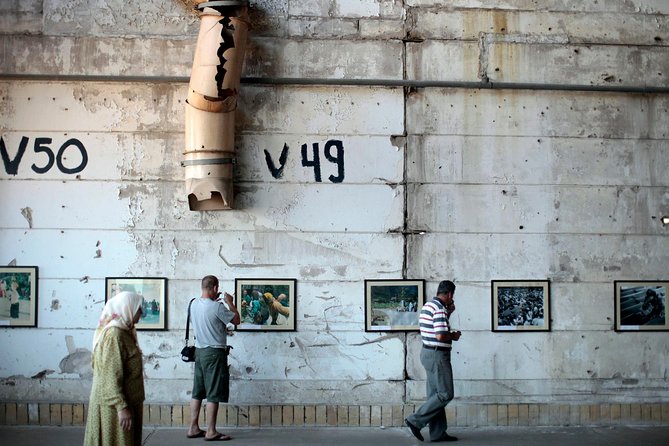
The first major stop is the battery factory at Potocari. During the war, the site served as the headquarters of the Dutch UN battalion. It now contains the Museum of Srebrenica Genocide, described as one of the most modern museums in Bosnia and Herzegovina.
The setting gives the visit weight. You are not entering a neutral exhibition hall built years later. You are standing in a former wartime headquarters, a place directly linked to the international presence in Srebrenica.
The museum uses multimedia material, including a selection of films. These help explain the events that led to the massacre, but the most valuable element is the chance to meet the curator and hear a first-hand account of survival in the enclave.
That meeting makes the museum feel less mechanical. Dates and maps can explain the sequence of events, but a personal account shows what those events meant for people living through them. I would listen closely, leave room for silence, and avoid treating the visit like a normal guided attraction.
The tour description allows about four hours for the main Srebrenica and Potocari visit. That is a useful amount of time for the museum, memorial room, cemetery, and town. You are not being asked to hurry through the displays, although the exact timing can vary.
The memorial room and Potocari cemetery
From the museum, the tour continues to the memorial room at Potocari. Here, recordings prepared by a local journalist tell the stories of victims. The change in tone is important. The museum explains the conflict and the genocide, while the memorial room brings attention back to individual lives.
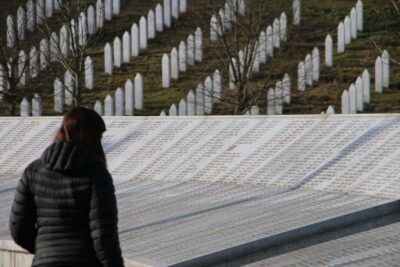
The cemetery is where identified victims are buried. Rows of white memorial stones make the scale of the loss impossible to ignore. I would expect the visit to be quiet and reflective rather than highly structured. There is time to pay respects, take in the setting, and process what you have heard.
You should also know that not every victim has been identified. The cemetery represents those whose remains have been found and identified, while the broader story continues beyond the people commemorated there. The tour focuses on the memorial site without turning the visit into a rushed checklist.
This is the point where the value of a small group becomes clearest. With no more than eight people, the guide can keep the group together without crowding the space. You can ask a question when the time feels right, but you are also less likely to feel as if you are part of a large procession.
Same country, a completely different kind of day:
- Sarajevo: Mostar, Konjic, Blagaj Tekke, Pocitelj & Waterfall
★ 4.9 · 1,666 reviews - Fall of Yugoslavia, Sarajevo War Tour with Tunnel of Hope Museum and Frontlines
★ 5.0 · 1,314 reviews - Sarajevo: Grand Walking Tour Through Time and Cultures
★ 4.8 · 1,236 reviews - Sarajevo: Mostar, Konjic, Sufi House, Pocitelj & Kravice Falls
★ 5.0 · 1,179 reviews
Seeing Srebrenica beyond the memorial
After Potocari, the route continues to the town of Srebrenica. The town was once an industrial center in the area. Today, it is described as a ghost city, and that contrast helps you understand that the genocide affected more than one building or one date on a calendar.
I like this stop because it broadens the visit. Potocari is the main memorial site, but Srebrenica itself gives you a sense of the place as a former working town. The visit connects the wartime story with the community that existed before and after it.
Lunch takes place in Srebrenica because there are few restaurants near the Potocari Memorial Center. Lunch is not included in the tour price, so you should budget separately. The information provided does not specify the restaurant, menu, or cost, and I would not expect an extensive choice of dining options in a town described as having limited restaurant facilities.
This arrangement is practical rather than glamorous. It avoids sending you back toward Sarajevo hungry and keeps the day in the Srebrenica area. Still, if you have dietary needs or a very specific meal in mind, ask the operator before departure.
Is the small-group format worth the price?
The listed cost is $82.68 per person. For a full-day trip from Sarajevo, that price includes the driver and tourist guide, air-conditioned transportation, hotel pickup and drop-off, WiFi on board, bottled water, and snacks. Lunch is extra.
I consider that a reasonable price for the amount of driving involved, particularly if you are staying in Sarajevo and do not have a car. The route is too long for an easy independent taxi outing, and the subject benefits from a guide who can give you context before you reach the museum.
The real value lies in the interpretation. You are not simply being delivered to a cemetery and left to read signs. The day includes a chronological explanation of the Yugoslav wars, the former UN headquarters, multimedia displays, a curator’s account, a memorial room, the cemetery, and Srebrenica itself.
The group limit is also important. Eight people is small enough for direct conversation and more personal attention. It is not a private tour, so you will still share the vehicle and schedule with others, but it should feel more flexible than a large coach outing.
I would compare the price with the cost of arranging private transport, museum access, and a qualified guide on your own. The included pickup is especially useful if you are staying outside Sarajevo’s Old Town. If you are already comfortable driving and researching the history yourself, the savings may be less compelling. For most visitors without a car, the convenience and explanation justify the fare.
What the guides add to a difficult subject
A guide matters here more than on a simple city transfer. The subject is complex, and a careless explanation can flatten it into a list of dates or political slogans. The tour is designed to establish the sequence first, then let the museum and memorial accounts add personal meaning.
Kenan is singled out for explaining Bosnian culture and history during the drive, for being accommodating, and for helping a participant arrange onward transportation after the tour. That last detail suggests a practical style that can be useful if your Sarajevo visit connects with another destination.
Ayyub is praised for being highly informed and passionate about the subject. Passion is useful here when it supports accuracy and respect. You want a guide who can explain difficult facts plainly without turning the visit into a performance.
I would use the drive to ask questions. You might ask about the chronology of the war, the role of the UN base, or the difference between the museum’s historical material and the memorial room’s personal accounts. You will get more from the day if you treat the guide as a teacher and conversation partner, not only as a driver.
The tour is offered in English. The provider has a perfect five-star rating from 35 reviews and is recommended by 100 percent of those who submitted feedback. Those figures cannot predict every departure, but they do support confidence in the operator’s handling of this sensitive subject.
Who should book this experience?
I would recommend this tour to anyone who wants a clearer understanding of the Bosnian War and the Srebrenica genocide while based in Sarajevo. It suits visitors who prefer historical context, personal testimony, and memorial spaces over a light sightseeing day.
It is also a good choice if you want a small group but do not need a fully private vehicle. The eight-person maximum gives you more access to the guide, while the included pickup removes much of the morning hassle.
I would think twice if you have only one day in Sarajevo and want to focus entirely on the city. The round trip takes most of the day, and Srebrenica is emotionally demanding. I would also avoid booking it immediately before an important transfer, since the return time is described as approximate and the tour may last up to ten hours.
The experience is not designed for entertainment, and that is the point. You should book it because you want to listen, learn, and remember.
Practical details before you reserve
The start time is 8:00 am. The meeting point is Kovači 25 in Sarajevo, but hotel pickup is available from any Sarajevo hotel. The listed end point is back at the meeting point, with hotel drop-off provided at the end.
Confirmation is issued at booking, and most people can participate. The maximum group size is eight. The experience is offered in English and includes a mobile ticket.
Bring an attentive frame of mind rather than a long list of sightseeing expectations. You will have bottled water and snacks, but lunch is not included. Since lunch takes place in Srebrenica, plan to pay for that meal separately.
Free cancellation is available until 24 hours before the start time for a full refund. Cancellations or changes made less than 24 hours before departure are not accepted for a refund, and the cut-off follows local time.
Should you book the Srebrenica day tour?
I would book this tour if you want to understand Srebrenica with the help of a guide who can explain the chronology, introduce survivor accounts, and give you time at the memorial sites. The combination of the former Dutch UN headquarters, curator-led museum visit, memorial room, cemetery, and town makes this more meaningful than a quick stop at a single monument.
The main question is not value for money. At $82.68, the price is fair for transportation, guiding, and a full day away from Sarajevo. The real question is whether you are ready for the subject.
If you are, this is a serious and worthwhile excursion. If you want a relaxed day of scenery and cafés, stay in Sarajevo. Srebrenica asks more of you, but it also gives you a stronger understanding of Bosnia and Herzegovina.
FAQ
How long does the Srebrenica tour take?
The experience lasts approximately eight to ten hours, including the drive from Sarajevo and the return journey.
How far is Srebrenica from Sarajevo?
Srebrenica is about two and a half hours from Sarajevo by vehicle.
What time does the tour start?
The scheduled start time is 8:00 am.
Is hotel pickup available?
Yes. Pickup is offered from any hotel in Sarajevo. Hotel drop-off is also provided at the end of the tour.
Where is the listed meeting point?
The meeting point is Kovači 25, Sarajevo 71000, Bosnia and Herzegovina.
How many people can join the tour?
The activity has a maximum of eight participants.
Is lunch included?
No. Lunch is not included in the price. The meal stop takes place in Srebrenica because there are few restaurants near the Potocari Memorial Center.
What is included in the tour price?
The price includes a driver and tourist guide, an air-conditioned vehicle, WiFi on board, hotel pickup when required, hotel drop-off, bottled water, and snacks.
Is the tour offered in English?
Yes. The tour is offered in English.
Can I cancel for a full refund?
Yes, if you cancel at least 24 hours before the experience start time. Cancellations or changes made less than 24 hours before the start time are not accepted for a refund.
Just added around Sarajevo
- Sarajevo Under Siege: A War History Tour★ 5.0 · 10 reviews
- WAR TUNNEL – Sarajevo’s only way of a communication during the WAR – Top secret★ 5.0 · 12 reviews
- Private Full Day Safari Tour★ 5.0 · 8 reviews
- Ultimate Gastro Experience★ 4.5 · 14 reviews
- Mysterious Visoko Pyramids Driving and Walking Tour★ 5.0 · 7 reviews
- Secret Tito’s Bunker/Konjic Tour★ 5.0 · 4 reviews
- The Secret Lifeline: Sarajevo’s War Tunnel Tour★ 5.0 · 6 reviews
- Crossroads of Cultures – Sarajevo Walking Tour★ 5.0 · 8 reviews
Srebrenica Memorial Tours, compared.

Srebrenica Genocide Study Tour with War Veteran
Read our review →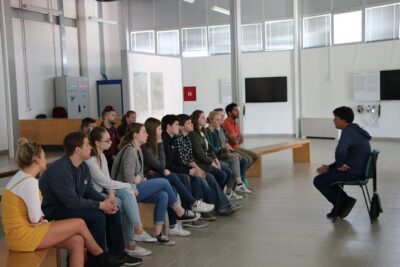
Sarajevo to Srebrenica: Genocide Study Tour with War Veteran
Read our review →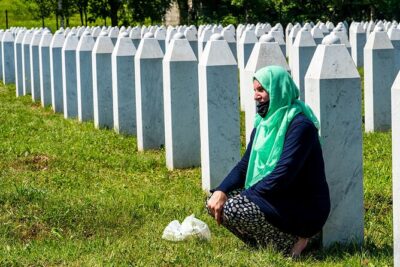
Understanding Srebrenica Genocide Tour + Lunch with Local Family Included
Read our review →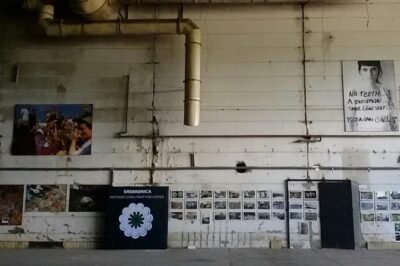
Understanding Srebrenica Genocide + Lunch With Local Family – Private Tour
Read our review →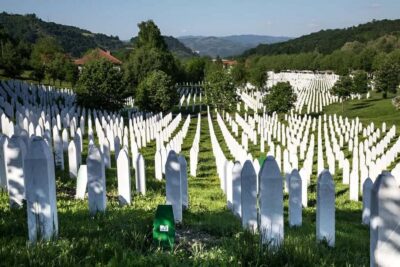
Understanding Srebrenica Genocide + Lunch with Local Family
Read our review →
Srebrenica Genocide Memorial and Testimonial Tour
Read our review →Browse the lists this tour appears in