
Reviewed · SREBRENICA MEMORIAL TOURS
From Sarajevo: Srebrenica Genocide Memorial Study Tour
Srebrenica is not a light sightseeing stop. It is a place of mourning, evidence, and hard questions. This full-day trip from Sarajevo takes you to the Potočari memorial complex, where more than 8,000 victims of the 1995 genocide are buried, then continues into Srebrenica itself to look at life after the war.
I like the small groups of up to eight, which make serious questions and quiet reflection easier. I also like the guides’ personal connection to Bosnia’s recent past. Almir, Ago, Senad, Muamer, Armina, and others have been praised for clear explanations, sensitivity, and, in some cases, firsthand wartime experience.
The main consideration is emotional: this can be a heartbreaking day, and the memorial museum is not always fully heated or fully staffed with exhibition guides. You may need to spend time reading and watching material on your own, especially on a quiet winter day.
Key points to know before booking
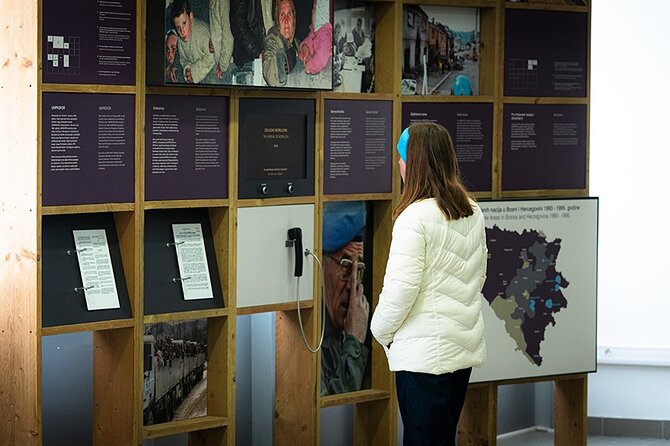
- The day is built around Potočari: Allow serious time for the memorial museum, cemetery, photographs, video material, and the long rows of white gravestones.
- The guide shapes the experience: Almir, Ago, Senad, Muamer, Armina, and other English-speaking guides have led this outing, with strong praise for their historical explanations and care.
- Romanija Mountain adds breathing room: The drive crosses a scenic mountain route before the day returns to the painful history of eastern Bosnia.
- You visit Srebrenica town, not only the memorial: The schedule includes a break, lunch, local stops, and a look at daily life and coexistence today.
- Basic comforts are covered: Hotel pickup, a modern air-conditioned car or minivan, bottled water, and a traditional Bosnian breakfast sandwich are included.
- Dress for a memorial visit: Wear respectful, comfortable clothing and bring a headscarf if needed for your own comfort and custom.
Why Srebrenica belongs on a Sarajevo itinerary
Sarajevo helps you understand that Bosnia’s war was not distant or ancient. The scars are part of the country’s recent past. Srebrenica takes that lesson into a much more personal setting.
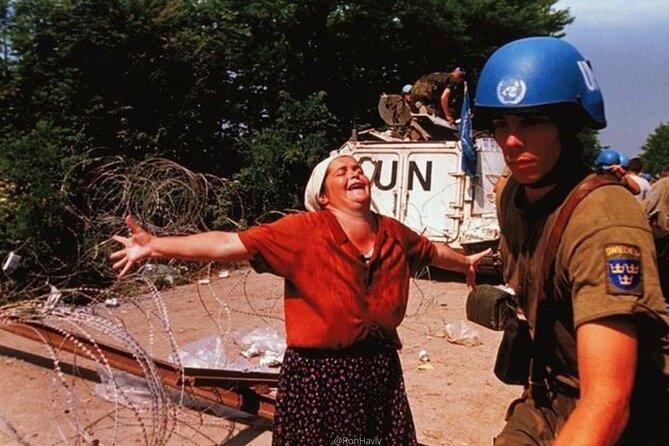
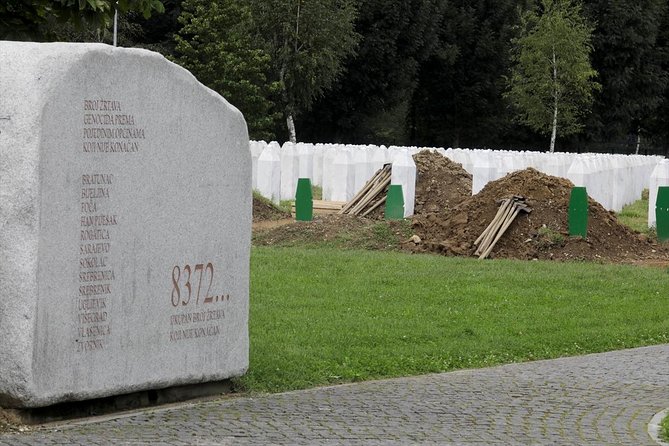
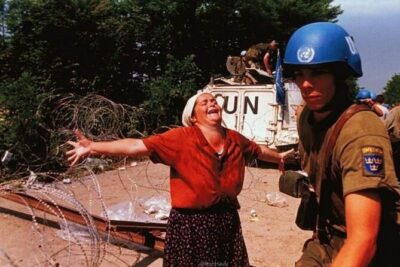
After more than three years of war, Srebrenica was attacked on July 11, 1995. The United Nations had designated the town a protected area, but armed soldiers and paramilitary forces killed more than 8,000 people in the days that followed. The memorial at Potočari now records that crime and gives families a place to bury and remember their dead.
I find the value of this trip in its connection between broad history and specific places. You are not only hearing dates in a Sarajevo hotel or looking at a city map. You are seeing the former battery factory, the cemetery, the surrounding roads, and the town where survivors still live.
That context matters. The visit is not designed to turn suffering into a tourist spectacle. It asks you to listen, look carefully, and accept that some questions do not have comfortable answers.
More srebrenica memorial tours in Sarajevo:
- From Sarajevo: Srebrenica Genocide Memorial Study Tour
★ 5.0 · 359 reviews - Sarajevo: Srebrenica Genocide Study Tour with War Veteran
★ 5.0 · 263 reviews - Sarajevo to Srebrenica: Genocide Study Tour with War Veteran
★ 5.0 · 131 reviews
The drive from Sarajevo across Romanija Mountain
Pickup takes place at your Sarajevo hotel, with the agency confirming the exact meeting point in advance. You should wait in the lobby about 10 minutes before departure. The ride is in a modern air-conditioned vehicle, either a car or minivan, with a maximum group size of eight.
The road toward eastern Bosnia crosses Romanija Mountain. This is one of the quieter rewards of the long drive. You get open mountain views and changing scenery, a useful pause before the serious work of the day begins.
The total outing lasts about 12 hours, with a return to Sarajevo planned for around 5 pm. That makes this a full day, not a quick side trip. The drive takes time, but it also lets your guide build the setting before you arrive. Guides such as Almir and Ago have used the journey to explain the Bosnian war, the siege of Sarajevo, the region’s geography, and the political forces that shaped the conflict.
That early explanation is important because the memorial material assumes some attention and patience. You do not need to arrive as a history expert. You do need to be willing to follow a difficult story.
A traditional Bosnian sandwich and bottled water are provided in the morning. A vegetarian sandwich is available. Lunch is not included, so keep money ready for food and drinks during the break in Srebrenica. Some outings also include planned restroom stops during the long road journey.
Entering the Potočari memorial complex
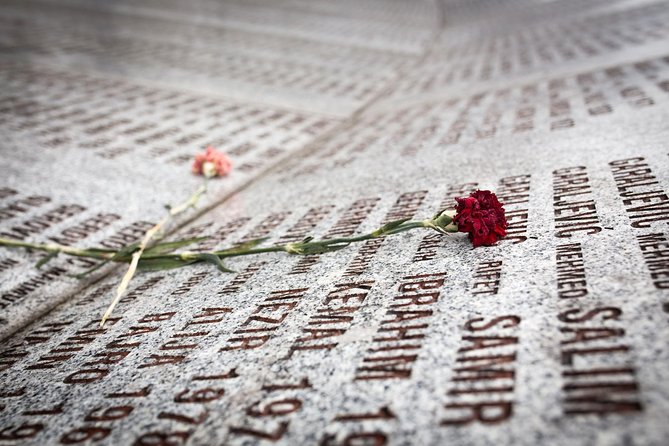
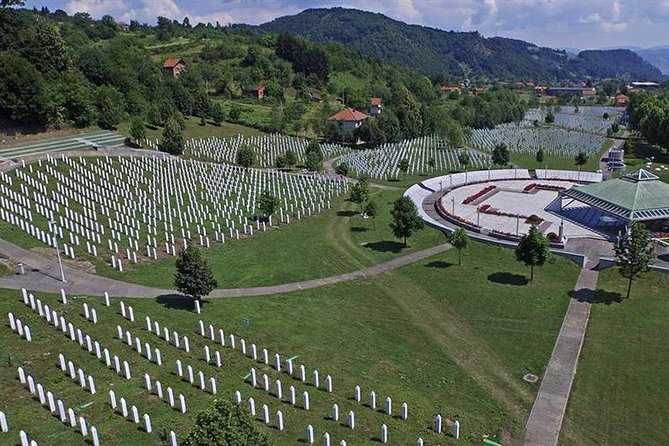
The Potočari memorial complex is the emotional center of the day. It includes the cemetery, museum, and memorial spaces created to preserve the memory of the genocide.
The memorial and museum were established in 2001 by the High Representative Wolfgang Petritsch as part of the Srebrenica-Potočari Foundation. Bill Clinton officially opened the memorial in 2003. Burials have continued since then, and victims are still being identified after experts recover remains from mass graves in the area around the Drina River.
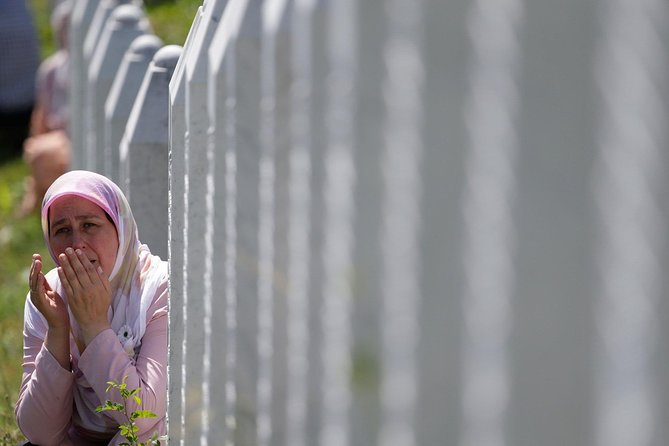
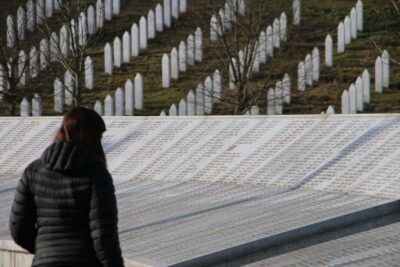
Across the cemetery, the white gravestones form a stark, repeating pattern. It is difficult to take in the number in a single glance. The scale is part of the message, but each grave also represents one person, one family, and one life interrupted.
Give yourself time here. You do not need to rush from one marker to another or turn the cemetery into a place for casual photographs. A camera is listed as something to bring, but use it with care and respect. Appropriate clothing matters because this is both a cemetery and a memorial center.
Inside the museum and former battery factory
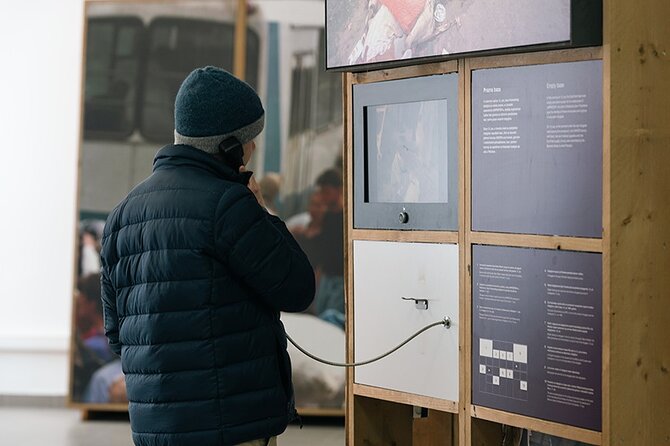
The museum occupies the former battery factory, a place tied directly to the events of July 1995. Its exhibitions include original photographs, video material, saved objects, and explanatory displays that document what happened.
A documentary is also part of the visit. The film gives you a focused account of Srebrenica and helps connect the museum’s objects and images to the wider war. For many people, this is where the day’s historical information becomes more concrete.
The amount of material can make the visit feel heavy and demanding. You may want at least several hours to read, watch, and process what is presented. The exact time available can vary by the day’s schedule. One guide noted that the museum is particularly large and that a little extra time would be welcome, while Sunday opening arrangements can affect the visit.
You should also know that the museum’s visitor support may feel limited. On a cold February day, the exhibition rooms were reported to have little heating, although the cinema room was warm. Some screens were turned off, and the on-site guide mainly accompanied the group between exhibition areas rather than providing a full spoken tour through every display.
That does not make the stop unworthy. It means your main historical explanation may come from the Meet Bosnia guide, so use the drive and the museum visit to ask questions. Guides such as Almir and Muamer have been praised for explaining difficult material clearly and for offering personal context without turning the visit into a speech about themselves.
Same country, a completely different kind of day:
- Sarajevo: Mostar, Konjic, Blagaj Tekke, Pocitelj & Waterfall
★ 4.9 · 1,666 reviews - Fall of Yugoslavia, Sarajevo War Tour with Tunnel of Hope Museum and Frontlines
★ 5.0 · 1,314 reviews - Sarajevo: Grand Walking Tour Through Time and Cultures
★ 4.8 · 1,236 reviews - Sarajevo: Mostar, Konjic, Sufi House, Pocitelj & Kravice Falls
★ 5.0 · 1,179 reviews
Meeting the human story behind the facts
The strongest part of this experience is often the guide’s voice. Bosnia’s war is complex, and a good guide can explain it without flattening the story into a list of dates and military movements.
Several guides have personal ties to the conflict. Almir has described his experience as a war veteran and has spoken about living through the siege of Sarajevo. Another guide, described as being from the Srebrenica region, brings a local connection to the day. Other guides, including Ago, Senad, Muamer, Armina, and Christian, have been praised for calm, factual, and considerate explanations.
You should not expect every departure to have the same guide, so the personal details will vary. You can expect an English-speaking professional guide, but the depth and style of personal storytelling will depend on who leads your group.
This human element is valuable because the memorial’s photographs and evidence can feel overwhelming. A guide helps place them in time and explains how the events affected families, communities, and Bosnia’s postwar life.
The best guides also leave room for silence. This is not a tour where every minute needs a joke or a fact. You may want to ask about the United Nations protected area, the aftermath of the genocide, or how people live together today. You should also feel free to take a quiet moment before continuing.
Srebrenica town and life after 1995
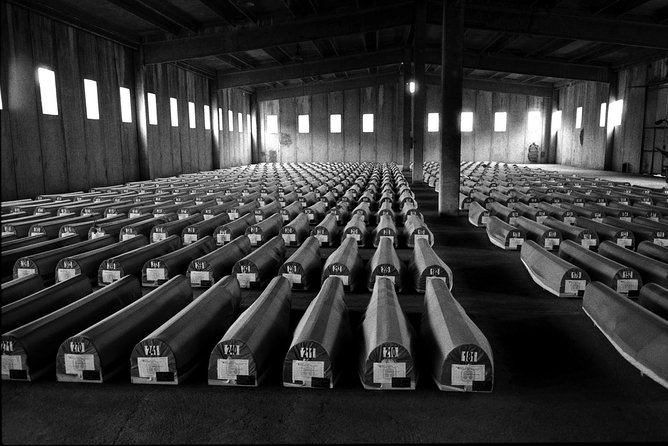
The tour continues to Srebrenica town after Potočari. This changes the focus from the crime itself to the place that remains.
You may have time for food, coffee, photographs, and a look at local Bosniak establishments. The guide can explain how people live in Srebrenica today and discuss coexistence in the city. That part is easy to overlook, but I consider it essential. A visit that ends at the cemetery can leave you with only the image of destruction. Seeing the town adds the harder question of what it means to rebuild a shared community afterward.
The schedule also includes the area’s natural springs. The water contains minerals including ferrous compounds, cobalt, nickel, copper, and manganese, and the springs are seen as having potential for future development in the region.
This is not a major spa visit or a long nature walk. Think of it as a small window into the area beyond the memorial. The springs, town streets, food, and coffee help you see Srebrenica as a living place, not only a symbol of loss.
Time in town can vary. If taking photographs there matters to you, ask the guide about the best opportunity rather than assuming you will have a long, independent stop.
What the $80 price really covers
At $80 per person, the tour offers solid value for a long private-style day without the cost of arranging transport yourself. The price includes hotel pickup and drop-off in Sarajevo, transport in a comfortable modern vehicle, a professional English-speaking guide, bottled water, and a morning Bosnian sandwich.
The main saving is practical. Srebrenica is far enough from Sarajevo that organizing a reliable round-trip vehicle, finding the memorial, and building in time for the town can be awkward. Here, the driver and guide are combined in one service, and the transport has earned a 97 percent perfect score for comfort and quality.
Lunch and personal expenses are extra. The activity information does not list a separate entrance charge, so check the final booking details if you want to confirm current admission arrangements.
The small-group limit matters at this price. Eight people is still enough for varied opinions, but it is far more manageable than a full coach. If only one or two people book, the outing may feel almost private. That can make difficult questions easier, though it also means the experience depends more heavily on your guide.
Free cancellation up to 24 hours before departure and the reserve-now, pay-later option reduce the risk of committing too early. Those are useful safeguards when your Sarajevo plans are still changing.
How to prepare for an emotionally difficult day
Do not schedule a loud party or a packed evening immediately afterward. The drive back to Sarajevo may give you space to think, but the memorial can stay with you long after you leave.
Wear comfortable clothing suitable for a cemetery and memorial center. A headscarf is worth bringing if you prefer one for religious or personal reasons. The route is long, so comfortable shoes and a light layer are sensible. Winter conditions can be cold, and the museum exhibition rooms may not be well heated.
You can bring a camera, but remember that a memorial is not an ordinary attraction. Photograph the setting only when it feels respectful, and avoid treating graves or grieving families as photo subjects.
The tour is wheelchair accessible, though you should confirm the practical arrangements with the agency before departure if you have specific mobility needs. Pickup is included, and the agency contacts you before the tour to agree on the exact meeting point.
Most importantly, arrive ready to listen. You do not need prior knowledge of the Bosnian war, but you should allow the guide to explain the context before drawing conclusions.
Who should book this Srebrenica day trip
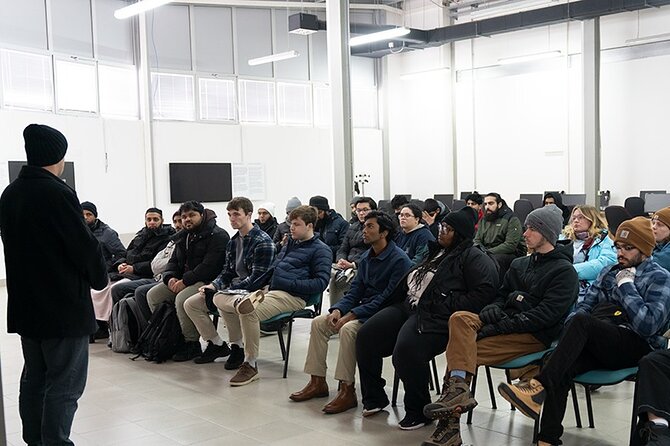
I recommend it to anyone visiting Sarajevo who wants to understand Bosnia beyond its Ottoman streets, cafés, and mountain views. It is especially useful if you prefer local explanation to visiting a memorial alone.
History students, families with older teenagers, photographers interested in documentary subjects, and people with a personal connection to the Balkans may find the trip meaningful. The small group also suits anyone who wants to ask direct questions in a respectful setting.
This is not the best choice if you want a relaxed day in the countryside, a food-focused excursion, or a short sightseeing loop. The mountain scenery and town break provide variety, but the memorial remains the reason to go.
I would also think carefully if you are traveling with young children. The material is graphic and painful, and the day requires quiet attention. The decision depends on their age, preparation, and ability to handle genocide-related history.
Should you book the Srebrenica Genocide Memorial Study Tour?
Book it if you want a serious, well-organized visit with transport from Sarajevo and a guide who can explain both the historical record and Bosnia’s lived experience. The strongest reasons are the small group, the time at Potočari, the visit to Srebrenica town, and the chance to ask a local guide difficult questions.
Go with realistic expectations. The museum may feel cold or partly self-guided, lunch is not included, and the subject can bring tears. Yet those limits do not erase the value of the day. Srebrenica is a place that deserves attention, dignity, and memory, and this tour gives you a practical way to reach it and begin to understand it.
FAQ
How long is the Srebrenica tour from Sarajevo?
The tour lasts about 12 hours. You return to Sarajevo at around 5 pm, although the exact timing can depend on the day’s schedule.
What places does the tour visit?
The tour visits the Srebrenica Genocide Memorial and Museum at Potočari, the Potočari cemetery, Srebrenica town, and natural springs in the area around the city.
Is hotel pickup included?
Yes. Hotel pickup and drop-off in Sarajevo are included. The agency contacts you before the tour to agree on the exact meeting point, and you should wait in your hotel lobby 10 minutes before pickup.
What language is the tour in?
The live guided tour is conducted in English.
How many people are in the group?
The tour is limited to eight participants, making it a small-group experience.
Is food included?
A traditional Bosnian sandwich and bottled water are included in the morning. A vegetarian sandwich is available. Lunch in Srebrenica and personal expenses are not included.
What should I wear and bring?
Wear comfortable, respectful clothing suitable for visiting cemeteries and memorial centers. You can bring a camera, and a headscarf is recommended if you would like one for the visit.
Can I cancel the booking?
You can cancel up to 24 hours in advance for a full refund. The reserve-now, pay-later option allows you to hold a place without paying immediately.
Just added around Sarajevo
- Sarajevo Under Siege: A War History Tour★ 5.0 · 10 reviews
- WAR TUNNEL – Sarajevo’s only way of a communication during the WAR – Top secret★ 5.0 · 12 reviews
- Private Full Day Safari Tour★ 5.0 · 8 reviews
- Ultimate Gastro Experience★ 4.5 · 14 reviews
- Mysterious Visoko Pyramids Driving and Walking Tour★ 5.0 · 7 reviews
- Secret Tito’s Bunker/Konjic Tour★ 5.0 · 4 reviews
- The Secret Lifeline: Sarajevo’s War Tunnel Tour★ 5.0 · 6 reviews
- Crossroads of Cultures – Sarajevo Walking Tour★ 5.0 · 8 reviews
Srebrenica Memorial Tours, compared.
Srebrenica Genocide Study Tour with War Veteran
Read our review →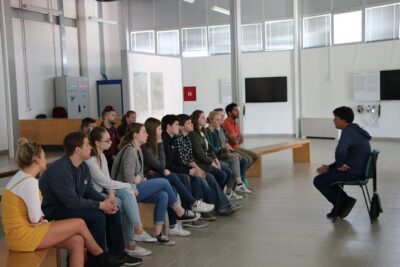
Sarajevo to Srebrenica: Genocide Study Tour with War Veteran
Read our review →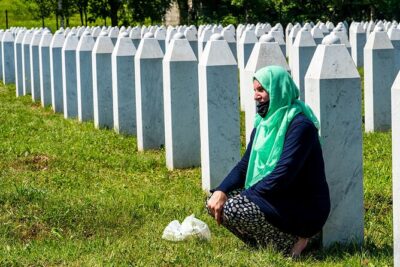
Understanding Srebrenica Genocide Tour + Lunch with Local Family Included
Read our review →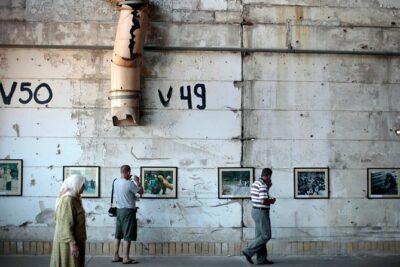
Understanding Srebrenica Genocide – Day tour from Sarajevo
Read our review →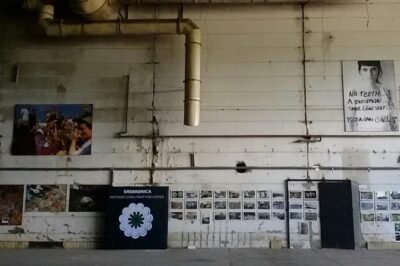
Understanding Srebrenica Genocide + Lunch With Local Family – Private Tour
Read our review →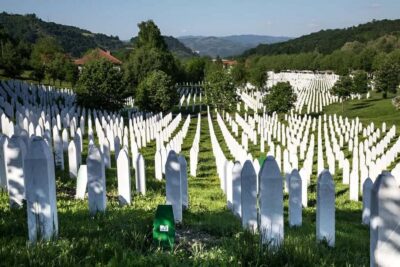
Understanding Srebrenica Genocide + Lunch with Local Family
Read our review →
Srebrenica Genocide Memorial and Testimonial Tour
Read our review →Browse the lists this tour appears in