
Reviewed · KONJIC AND NERETVA RAFTING
From Sarajevo: Tito’s Bunker & Konjic City Tour
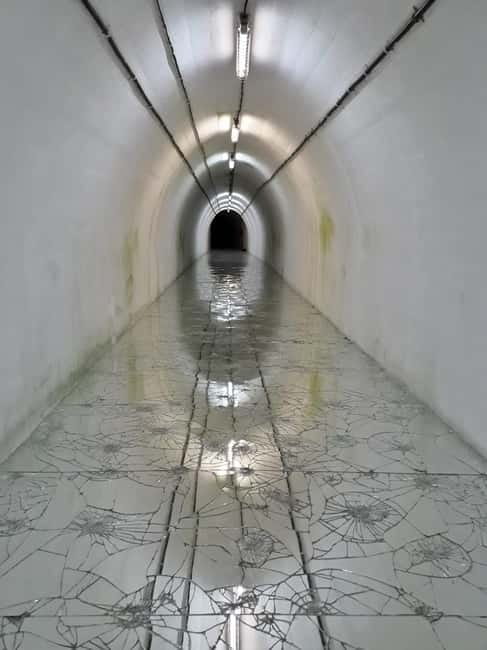
Deep beneath a mountain near Konjic sits Tito’s Bunker, a 6,500-square-meter Cold War shelter built to protect Yugoslavia’s president and top military leaders from nuclear attack. I like this tour for two clear reasons: you see a highly unusual piece of 20th-century history, then switch gears with a visit to Konjic’s Old Bridge and riverside center. The main catch is that the 20-euro bunker entry fee is not included in the $70 tour price.
I also like the small group, limited to six people, and the hotel pickup and drop-off in an air-conditioned vehicle. The bunker is cold even in summer, so bring a light jacket. You can photograph the bunker and art exhibition, but video recording is not allowed, and you may not photograph the bunker guide.
Key points to know before booking
- The bunker took 26 years to build: Construction ran from 1953 to 1979, making this far more than a simple military tunnel.
- The shelter still has working systems: Air conditioning, a power generator, toilets, and a water cistern remain part of the complex.
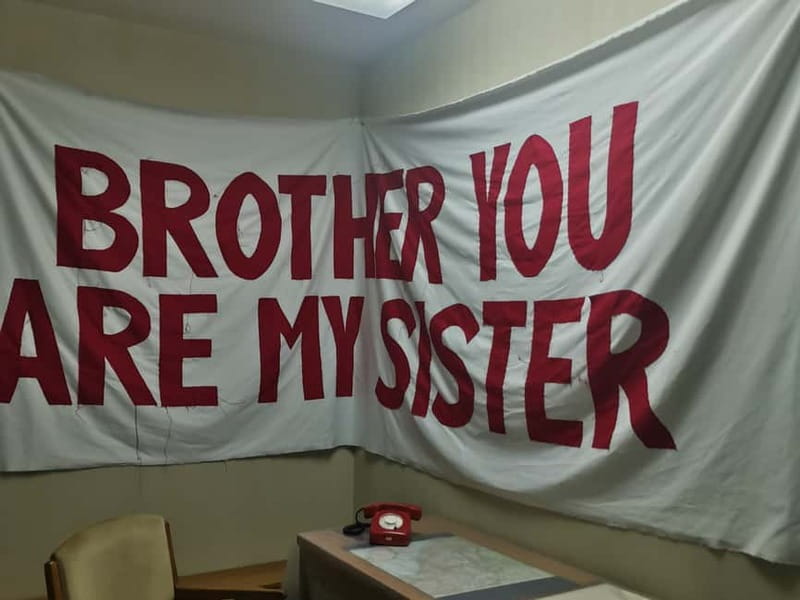
- Contemporary art fills the secret facility: The bunker now hosts artists from Bosnia and beyond, giving the visit an unexpected second life.
- Konjic adds a pleasant change of pace: After the underground tour, you visit the town center and its famous bridge over the Neretva River.
- The group is genuinely small: With no more than six participants, the day should feel more personal than a large coach outing.
- Budget for the extra entrance fee: The tour costs $70 per person, but the bunker ticket costs an additional 20 euros.
Why Tito’s Bunker is worth the trip from Sarajevo
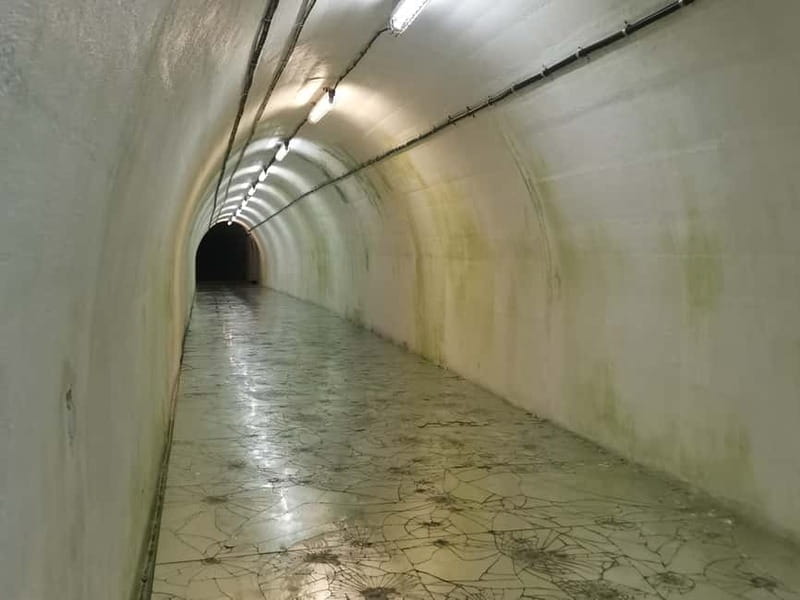
Tito’s Bunker is not polished for mass tourism, and that is part of its appeal. It is a serious Cold War facility built for a very specific fear: a nuclear strike that would wipe out the country’s political and military leadership.
The scale is startling. The complex covers about 6,500 square meters underground, and its construction lasted 26 years. Work began in 1953 and finished in 1979, the same year the project reached its final form as a protected command and living facility.
The cost was equally striking. About $4.6 billion was spent on the project, making it one of the most expensive structures in former Yugoslavia. You do not need to be a military-history enthusiast to appreciate what that means. The bunker shows how much money and labor a government was willing to spend to preserve its leadership in the event of catastrophe.
A local bunker guide leads the visit, explaining how the facility was designed and what its systems were meant to do. You will see practical features such as air conditioning, a power generator, toilets, and a water storage cistern filled with fresh water.
These details matter because they make the bunker feel like a functioning refuge rather than a hollow museum. The point was not simply to hide underground for a few hours. The facility was designed to support Tito and his closest associates, along with senior communist leaders and army generals, during a nuclear war.
More Konjic and Neretva Rafting in Sarajevo
- Sarajevo: Mostar, Konjic, Blagaj Tekke, Pocitelj & Waterfall
★ 4.9 · 1,666 reviews - Sarajevo: Mostar, Konjic, Sufi House, Pocitelj & Kravice Falls
★ 5.0 · 1,179 reviews - Sarajevo: Mostar, Konjic, Dervish House, Pocitelj & Kravica Falls
★ 5.0 · 437 reviews
The bunker’s unusual second life as an art space
The most surprising part of the visit may come after the Cold War story. Tito’s Bunker now serves as a meeting place for artists from Bosnia, the wider region, Europe, and other parts of the world.
Artworks are displayed inside the underground rooms, corridors, and former military spaces. The contrast is hard to miss. A room designed for secrecy and survival now provides space for creative work and public discussion.
I like this addition because it keeps the visit from becoming a simple display of old machinery. The art gives the bunker a present-day purpose, while the stark surroundings give the exhibition an unusual setting. You might find the artwork more memorable because of where it is displayed, not just because of the pieces themselves.
Photography of the bunker and exhibition is allowed, but video recording is prohibited. You also cannot photograph the guide. Follow those rules closely, especially in a place where security and restricted access remain part of the character.
Bring a light jacket even if Sarajevo is hot. The bunker is cold during summer, and you will be more comfortable if you dress for the underground temperature rather than the weather above ground.
What the Sarajevo pickup adds
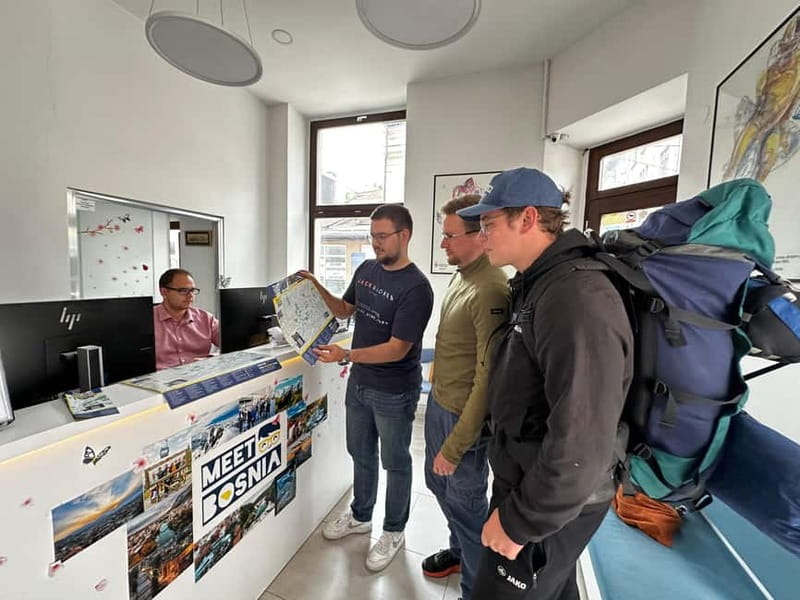
The tour includes hotel pickup and drop-off in Sarajevo, which makes the outing simple to fit into a short stay. You do not need to work out separate transport to Konjic or find the bunker on your own.
Transportation is provided in an air-conditioned vehicle, and the group is limited to six people. That small size is useful here. You can ask questions without shouting across a bus, and the guide can give more attention to the group as you move through the facility.
The transport team has received especially strong marks for punctuality, safety, and friendliness. On different departures, drivers have included Yasmin and Mohammed, while Senad has guided some groups. The exact staff member may vary, but you can expect an English-speaking guide and a driver who may also explain aspects of Bosnian culture along the way.
One winter departure included heavy snow, yet the driver completed the route safely and efficiently. That is a useful reminder that road conditions can affect a day trip. The tour is five hours in total, but the time can feel tighter in difficult weather or if you choose a longer lunch stop in Konjic.
Walking through a Cold War time capsule
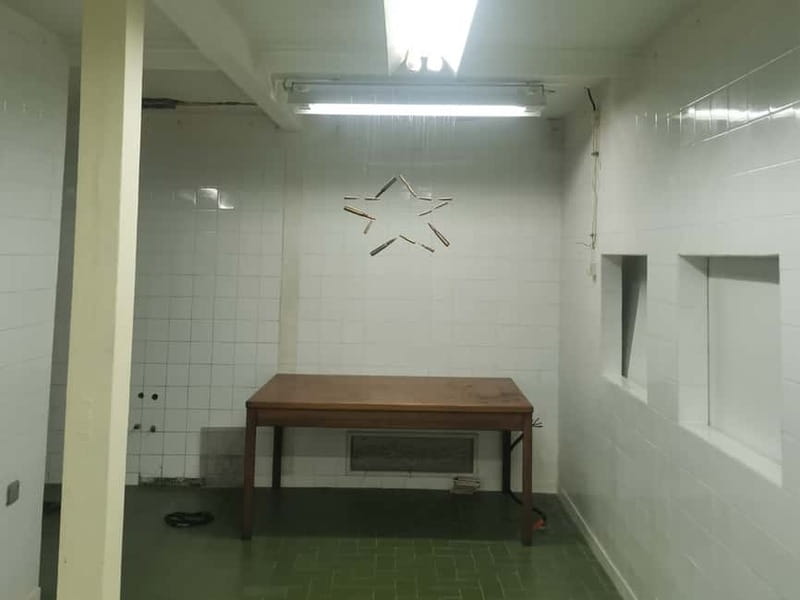
The bunker visit is a guided walk rather than a self-guided museum stop. That is important because much of the value comes from the explanation of why the rooms exist and how the facility was intended to operate.
The building was ordered during the period of socialist Yugoslavia, when the country tried to protect its independence while balancing relations between the Soviet Union and the West. Tito’s government planned for the possibility that a major conflict could reach Yugoslav territory.
The facility was built in secret, and its purpose was narrow: shelter the highest-ranking leaders and commanders. The construction period itself tells you something about the project. A structure that took more than two decades was not a temporary hideout. It was a long-term national security project built with enormous resources.
The continued presence of systems such as power generation, climate control, sanitation, and water storage gives the tour a practical focus. You are not just hearing that the bunker was prepared for disaster. You are seeing the infrastructure that would have supported life underground.
The bunker can feel stark and repetitive in places. If you prefer bright galleries, outdoor sights, or fast-moving tours, the experience may seem austere. The setting is also cold, and the no-video rule may disappoint anyone hoping to document the whole visit.
For most people, though, those limits reinforce the place’s original purpose. This was built for secrecy and survival, not comfort or entertainment.
Same country, a completely different kind of day:
- Fall of Yugoslavia, Sarajevo War Tour with Tunnel of Hope Museum and Frontlines
★ 5.0 · 1,314 reviews - Sarajevo: Grand Walking Tour Through Time and Cultures
★ 4.8 · 1,236 reviews - Sarajevo: Tunnel Museum Yugoslavia War Tour with War Veteran
★ 5.0 · 1,111 reviews - ROSES OF SARAJEVO (Official WAR + CITY tour)- Story of a Survivor
★ 5.0 · 770 reviews
Konjic and the Old Bridge over the Neretva
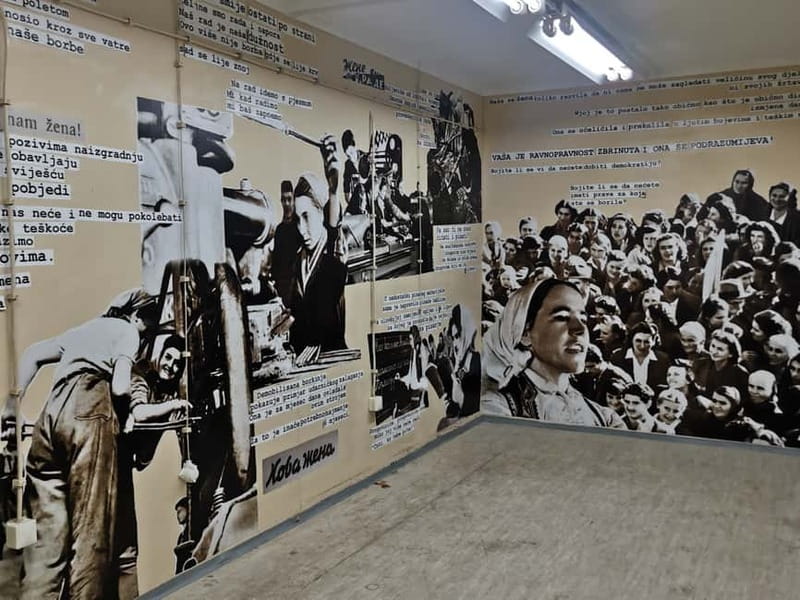
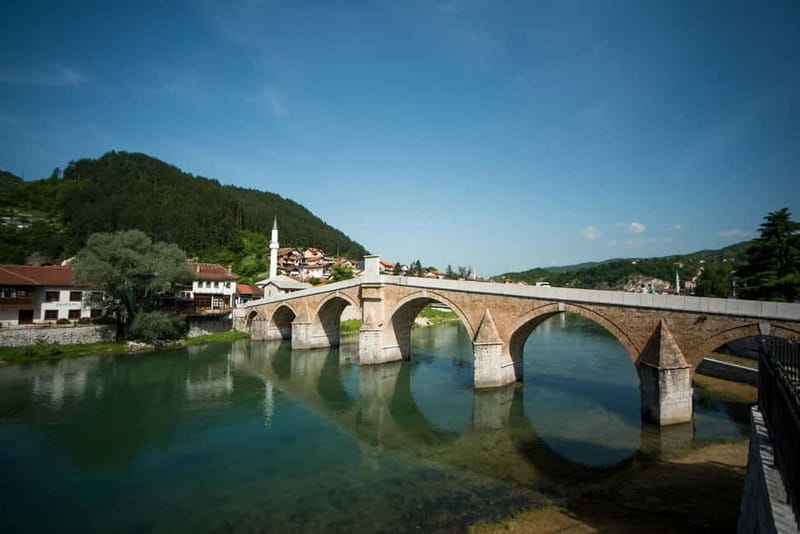
After the underground tour, the outing moves into Konjic. The town sits on the banks of the Neretva River and provides a useful contrast to the bunker.
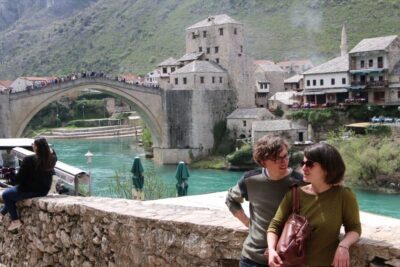
The focus is the Konjic Old Bridge, the town’s best-known landmark. It connects the two sides of the river and has linked the banks for centuries. After the enclosed military facility, the bridge and river give you open air, local streets, and a chance to slow down.
The Konjic visit includes guided sightseeing and free time. Lunch and coffee can be arranged according to your preference, so you can use the stop for a proper meal or keep it brief and spend more time looking around.
This part of the tour is not as structured as the bunker visit. That is a benefit if you like flexibility, but it also means the experience depends on how you use the available time. Ask your guide for help arranging lunch or coffee if you want a clear plan.
Konjic is best understood as the human-scale half of the day. The bunker explains state power, military planning, and fear of global conflict. Konjic offers a town center, a river, a bridge, and time to enjoy Bosnia at a more ordinary pace.
How much value do you get for $70?
The tour price is $70 per person. For that, you receive hotel pickup and drop-off, air-conditioned transportation, a licensed guide, and a five-hour small-group outing.
The separate 20-euro entrance fee for Tito’s Bunker is the main cost to remember. Once added, the total is higher than the advertised tour price, and you will also need to pay for lunch, coffee, and any other personal expenses.
Still, the value is reasonable if you want both transportation and context. Reaching a remote military site on your own would require more planning, while the guide gives the bunker a clear historical frame. The Konjic stop also means you are not paying for a single attraction and immediately returning to Sarajevo.
The small group helps justify the price. A maximum of six participants allows for a more direct exchange with the guide and less waiting around. Transport has received a perfect score from all recorded ratings, and the overall experience is rated 4.9 out of 5 from 23 ratings.
I would not book this tour simply because it is cheap. It is better suited to someone who values an unusual site, a local guide, and the convenience of a managed half-day trip. If your main goal is a long, relaxed visit to Konjic, the five-hour schedule may feel too short.
Who will enjoy this tour most?
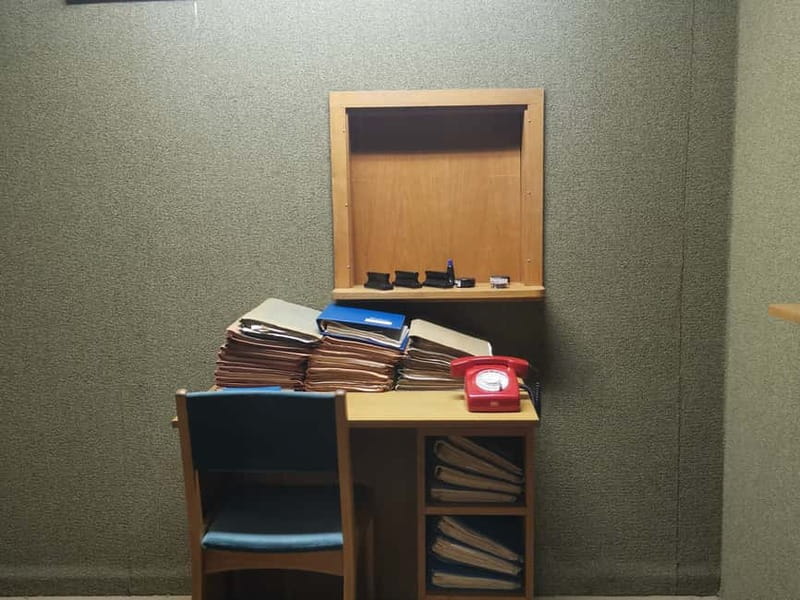
I recommend this outing to anyone interested in the Cold War, former Yugoslavia, military sites, architecture, or unusual museums. The bunker is the clear centerpiece, and you should be willing to spend time indoors in a cool, utilitarian setting.
It also suits first-time visitors to Bosnia who want to pair a major historical site with a smaller town. You get a sharp contrast between a secret underground complex and Konjic’s riverfront setting without arranging two separate excursions.
The tour works well for independent-minded visitors who still want practical support. You have a guide and transport, but the group remains small and Konjic includes time for your own activities.
Families with children may find the bunker fascinating, though the subject matter and sparse interior will suit older children better than very young ones. Art lovers may also enjoy the exhibition, particularly if they like contemporary work in unusual places.
I would hesitate if you dislike guided visits, need a very warm indoor environment, or want to record everything on video. The no-video rule is firm, and the bunker’s atmosphere is functional rather than comfortable.
The activity is listed as wheelchair accessible. If accessibility is important to you, confirm the exact route and vehicle arrangements when booking, since the supplied details do not describe specific ramps, lifts, or interior surfaces.
Practical advice for making the day go smoothly
Wear comfortable shoes for walking through the facility and around Konjic. A light jacket is the most useful item, even during summer.
Keep some flexibility in your schedule. The tour lasts five hours, but snow or other road conditions can affect the pace. A winter departure has handled heavy snow safely, but extra time is sensible if you have an important evening booking in Sarajevo.
Plan for the 20-euro bunker admission before you leave. The fee is not included in the $70 price, and food and additional drinks are also separate.
Use the guide for context rather than rushing from room to room. The bunker’s value comes from understanding why it was built, how long it took, and how its systems were meant to work.
At Konjic, decide in advance if you want coffee, lunch, or more free time. The stop can be shaped around your preference, but a little planning helps you avoid spending the entire break deciding what to do.
The booking terms are flexible: you can cancel up to 24 hours before departure for a full refund, and you can reserve now and pay later. Starting times vary, so check availability for your date.
Should you book the Tito’s Bunker and Konjic tour?
Book it if you want a half-day that feels different from Sarajevo’s mosques, markets, and historic streets. Tito’s Bunker is the reason to go, with its vast scale, working infrastructure, Cold War purpose, and unexpected art exhibition.
The tour is also a good choice if you value easy transport, a maximum group size of six, and an English-speaking guide. Senad, Yasmin, and Mohammed have each been praised for friendly service, cultural explanations, safe driving, or clear guidance on different departures.
Skip it if you want a slow day in Konjic, dislike underground spaces, or consider the extra 20-euro admission too high on top of the $70 price. For everyone else, this is a strong pairing: a secret military shelter followed by a riverside Bosnian town.
FAQ
How long does the tour last?
The tour lasts five hours, including transport from Sarajevo, the visit to Tito’s Bunker, time in Konjic, and the return to Sarajevo.
Is hotel pickup and drop-off included?
Yes. Hotel pickup and hotel drop-off in Sarajevo are included, along with transportation in an air-conditioned vehicle.
Is the bunker entrance fee included in the tour price?
No. The tour costs $70 per person, and the bunker entrance fee of 20 euros is paid separately.
Can I take photos inside Tito’s Bunker?
Yes, photography of the bunker and exhibition is allowed. Video recording is not allowed, and photographing the bunker guide is prohibited.
Is the tour offered in English?
Yes. The tour includes a live English-speaking guide.
What should I bring for the bunker visit?
Bring a light jacket, even in summer, because the bunker is cold. Comfortable clothing and shoes are also practical for the guided walk and sightseeing in Konjic.
Just added around Sarajevo
- Sarajevo Under Siege: A War History Tour★ 5.0 · 10 reviews
- WAR TUNNEL – Sarajevo’s only way of a communication during the WAR – Top secret★ 5.0 · 12 reviews
- Private Full Day Safari Tour★ 5.0 · 8 reviews
- Ultimate Gastro Experience★ 4.5 · 14 reviews
- Mysterious Visoko Pyramids Driving and Walking Tour★ 5.0 · 7 reviews
- Secret Tito’s Bunker/Konjic Tour★ 5.0 · 4 reviews
- The Secret Lifeline: Sarajevo’s War Tunnel Tour★ 5.0 · 6 reviews
- Crossroads of Cultures – Sarajevo Walking Tour★ 5.0 · 8 reviews
Konjic and Neretva Rafting, compared.
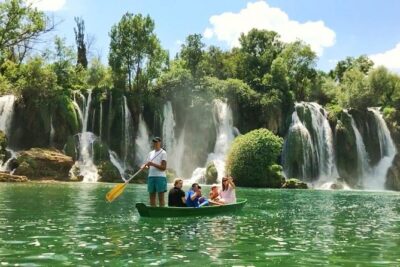
Mostar, Konjic, Sufi House, Pocitelj & Kravice Falls
Read our review →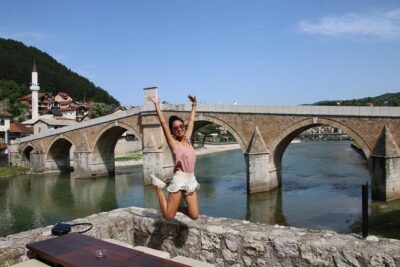
Mostar, Konjic, Dervish House, Pocitelj & Kravica Falls
Read our review →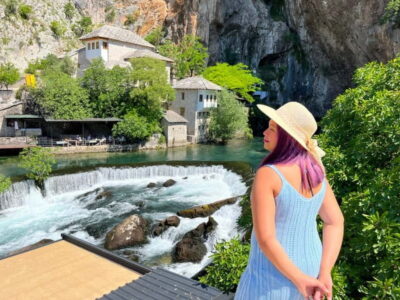
Mostar, Konjic, Pocitelj, Blagaj Skywalk Waterfall
Read our review →
Browse the lists this tour appears in