
Reviewed · SREBRENICA MEMORIAL TOURS
Remembering Srebrenica Genocide
Srebrenica is not a sightseeing stop you simply check off. It is a place of mourning, testimony, and difficult questions. This 8.5-hour trip takes you from Sarajevo to the Potočari memorial, the former UN base, and Srebrenica itself, with a local guide to explain what happened before, during, and after the genocide in July 1995. Emina Koso Sarajcic and Safet are especially well suited to this subject, bringing both historical detail and a human voice.
I like the small group limit of 15 and the comfort of round-trip, air-conditioned transport. I also like the way the visit goes beyond the cemetery: you see the former UN compound and learn how Srebrenica is dealing with reconciliation today. The hard part is clear: this is an emotionally heavy day, and the tour does not include lunch or snacks, so you need to prepare for both the subject matter and the long outing.
Key points before you book
- Potočari is the emotional center: You visit the memorial complex and the former UN base, now used as a genocide gallery.
- The guide matters greatly: Emina Koso Sarajcic and Safet have been singled out for clear explanations, care, and strong local insight.
- You get more than a memorial visit: The final stop in Srebrenica looks at the town today and the difficult work of reconciliation.
- The day runs long: Plan on about 8 hours and 30 minutes, leaving Sarajevo at 8:00 am and returning to the same meeting point.
- The group stays fairly small: A maximum of 15 people allows room for questions and a quieter tone.
- Bring food planning into the equation: Transport and a licensed guide are included, but lunch and snacks are not.
Why Srebrenica deserves a full day from Sarajevo
A visit to Srebrenica asks more of you than a normal day trip. You are not going for pretty views or a quick cultural stop. You are going to understand one of the darkest chapters of the Bosnian War and to pay attention to the people and places connected to it.
The genocide took place in July 1995, near the end of the war in Bosnia and Herzegovina. The memorial at Potočari gives the day its focus, but the former UN base adds another layer. It helps you see how international involvement and the events on the ground fit together.
I value the fact that the experience is led by a local guide. A guide can explain names, dates, and political events, but the best guides also help you understand why the subject still affects families and communities. Emina Koso Sarajcic has been praised for explaining difficult material in plain language, while Safet has been noted for his history, local knowledge, calm manner, and care for the group.
That personal approach matters here. You may have read about Srebrenica before, but reading and standing in the places connected to the genocide are different experiences. You should expect a serious day, not a polished presentation that keeps emotional distance.
More srebrenica memorial tours in Sarajevo:
- From Sarajevo: Srebrenica Genocide Memorial Study Tour
★ 5.0 · 359 reviews - Sarajevo: Srebrenica Genocide Study Tour with War Veteran
★ 5.0 · 263 reviews - From Sarajevo: Srebrenica Genocide Memorial Study Tour
★ 5.0 · 242 reviews
Leaving Sarajevo at 8:00 am
The tour begins at 8:00 am at Zelenih beretki 30 in central Sarajevo. You return to the same meeting point at the end of the day, which keeps the morning and evening arrangements simple.
Round-trip transport is one of the strongest practical features. Srebrenica is not an easy destination to fit into a short independent visit, especially when public transport schedules and journey times are limited. Having a driver and guide handle the route lets you focus on the subject rather than on connections and timing.
The vehicle is air-conditioned, a useful comfort on a long day. The group can include up to 15 people, so this is not a private tour, but it is small enough to feel more personal than a large coach outing. A smaller group also makes it easier to ask questions, listen to the guide, and keep the mood respectful.
The exact vehicle and guide may vary. If the company can confirm Emina or Safet for your date, you may appreciate knowing who will lead the visit. Their approaches sound different but complementary. Emina is especially strong at handling complex questions and emotional moments, while Safet brings an easygoing manner, music on the drive, and a strong sense of local knowledge.
You should plan your own food. Snacks and lunch are not included, and no meal arrangement is specified. Since the outing lasts most of the day, eat before departure and bring something if you need regular food breaks.
Potočari Memorial: the heart of the visit
The main stop is the Srebrenica Genocide Memorial in Potočari. You have about three hours here, which is appropriate for a place that deserves time and quiet attention.
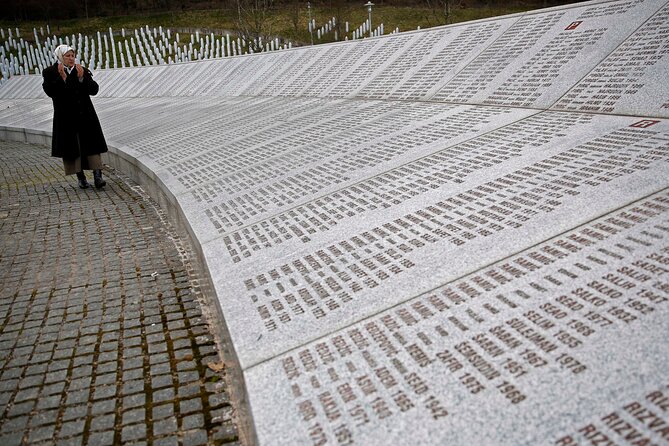
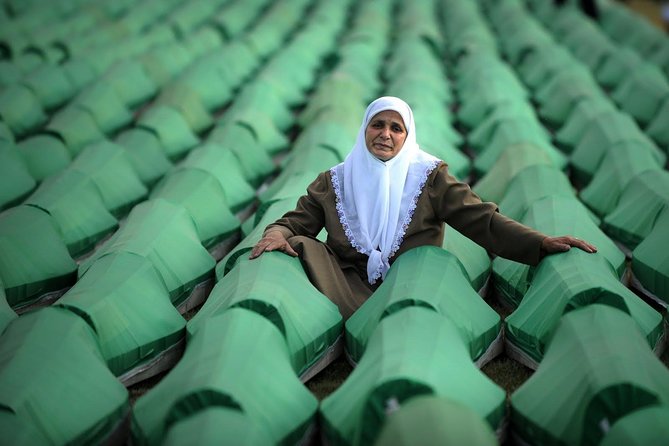
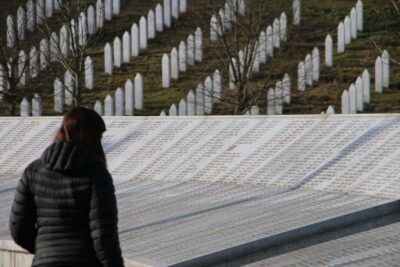
The memorial complex includes rows of white gravestones for victims whose remains have been identified and reburied. The setting is direct and unadorned. You are not rushed through a short photo stop. Instead, the guide provides the background needed to understand what you are seeing and why the memorial remains so important to survivors and families.
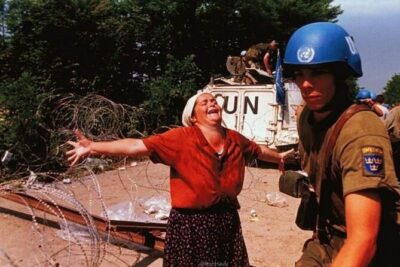
The former UN base is also part of the visit. It is now a gallery about the genocide. This gives you a second way to approach the events, moving from the personal weight of the cemetery to the institutional and international story told through the former base.
That combination is valuable. A memorial can show the scale of loss, while a museum or gallery can help explain the chain of events that led there. The guide ties the two together, helping you understand the Bosnian War, the circumstances around Srebrenica, and the scars left in the minds of survivors.
The experience can be hard to absorb. Several people who took this kind of visit found it emotionally challenging, and that is a fair warning rather than a criticism. The guide’s role is not to make the subject painless. It is to help you face it with context and care.
You may want quiet time during this stop. The small group helps, but you should still be ready for other people to process the visit differently. Some may ask many questions. Others may prefer silence. Both reactions are normal for a place like Potočari.
The former UN base and the wider story
The former UN base is one of the most important parts of the day because it connects the memorial to the broader wartime story. You are not only looking at the consequences of the genocide. You are also considering the setting in which decisions were made, protection was expected, and civilians suffered.
A guide can make this section far more useful than a quick independent visit. The events leading up to the genocide are complicated, and it is easy to lose the sequence of military, political, and humanitarian developments. Emina has been praised for making complicated material understandable without flattening its meaning.
That balance is important. You want clear facts, but you also want honesty about uncertainty, responsibility, and the pain that continues after the fighting ends. The strongest part of this experience is the way it treats history as something connected to real families and present-day life.
The visit may be especially useful if you are studying the Bosnian War or European history. One pair of history teachers found that the guide’s explanations added value even with their existing background. That suggests the experience is not limited to first-time learners. A good local guide can add detail, personal stories, and a sense of place that books cannot provide.
Same country, a completely different kind of day:
- Sarajevo: Mostar, Konjic, Blagaj Tekke, Pocitelj & Waterfall
★ 4.9 · 1,666 reviews - Fall of Yugoslavia, Sarajevo War Tour with Tunnel of Hope Museum and Frontlines
★ 5.0 · 1,314 reviews - Sarajevo: Grand Walking Tour Through Time and Cultures
★ 4.8 · 1,236 reviews - Sarajevo: Mostar, Konjic, Sufi House, Pocitelj & Kravice Falls
★ 5.0 · 1,179 reviews
Srebrenica today and the question of reconciliation
After around three hours at the memorial complex, you spend about 45 minutes seeing Srebrenica as it is today. This shorter stop keeps the day from becoming only a visit to a cemetery and gallery.
The point is not to turn the town into a cheerful sightseeing stop. It is to help you understand what happens after genocide and war. Communities must live with memory, loss, political disagreement, and the question of how people can share a future after terrible violence.
The tour presents reconciliation as difficult rather than tidy. That is one of its strengths. You should not expect a simple ending or a neat lesson that removes the pain of what happened. Instead, the visit gives you room to consider how Bosnia and Herzegovina is trying to move forward while still carrying the past.
This final stop also keeps Srebrenica connected to ordinary life. The memorial is essential, but the town is not only a historical site. People live there, and the process of remembrance continues alongside everyday concerns. Seeing Srebrenica today gives the visit a wider frame.
How much the guide shapes the day
For this experience, the guide is not a minor detail. The quality of the explanation can shape whether the day feels thoughtful and useful or merely bleak.
Emina Koso Sarajcic has received particularly strong praise for her detailed explanations of the genocide, monuments, and smaller local stories. Her careful communication and attention to emotional reactions are valuable on a subject that can leave you with more questions than answers.
Safet has also been praised for making the day memorable through his local knowledge, driving, music selection, relaxed personality, and commitment to solving problems. His style appears more informal, but the subject still receives the seriousness it requires.
You should keep in mind that guide assignments can change. The tour includes a licensed guide, but the supplied details do not promise a specific person on every departure. If having Emina or Safet matters to you, ask before booking rather than assuming.
A good guide also knows when not to fill every minute with talk. On a day like this, silence can be part of the experience. You need someone who can answer direct questions without turning the visit into a lecture, and who can handle the emotional weight without making the day about themselves.
Is the $78.27 price good value?
At $78.27 per person, the price is reasonable for an 8.5-hour guided trip with round-trip transport from Sarajevo, an air-conditioned vehicle, and a licensed guide. The value comes mainly from the time saved and the quality of interpretation.
Independent transport may appear cheaper at first, but getting to Srebrenica and back by public transport can be difficult because of availability and travel time. You would also need to arrange your own visit and find a way to understand the former UN base and memorial without the same local explanation.
The price does not cover lunch or snacks. That is a small extra cost, but it is worth planning for because the day starts early and runs long. Admission to the listed stops is free, so you are paying mainly for transport, guiding, and organization rather than entry fees.
For a private tour, $78.27 would be unusually low, but this is a small-group experience with up to 15 people. If you want a completely personal schedule or a quiet vehicle for your own party, this may not be the right format. If you want practical transport and a serious guide at a moderate cost, it offers solid value.
Who should take this tour
I would recommend this trip to anyone who wants to understand the Bosnian War through a place where the consequences are visible and personal. It suits history students, teachers, researchers, and people who feel that a visit to Bosnia should include more than Sarajevo’s museums and old town.
It also suits you if you prefer a guide to explain sensitive subjects in context. The local perspective is a major reason to choose this experience. The tour is offered in English, so you can ask questions and follow the explanations without relying on a translated display alone.
This is not the best choice if you want a light day out, flexible sightseeing, or a relaxed lunch-focused excursion. The emotional content is unavoidable. You should be comfortable spending several hours with a painful subject and allowing the memorial to set the tone.
Most people can participate, and the tour is capped at 15 people. Still, the supplied details do not describe specific mobility arrangements, so you should ask the operator if you have access needs that require confirmation.
Practical advice for making the day worthwhile
Wear comfortable clothing and shoes suitable for a long day of walking and standing. The tour is not described as strenuous, but three hours at the memorial complex is enough time to appreciate having sensible footwear.
Eat before the 8:00 am departure, and bring snacks unless you prefer to buy food on your own during the day. Lunch is not included, and the schedule does not promise a dedicated meal stop.
Give yourself emotional space. You do not need to arrive with expert knowledge, but you should arrive ready to listen. Read a short introduction to the Bosnian War if you have time, then let the guide fill in the local detail.
Ask questions respectfully. The guides have been praised for answering many questions, but this is also a place where personal grief remains close. Curiosity is useful when it is paired with care.
The tour is booked, on average, five days ahead, so reserve before the last minute if your Sarajevo schedule is tight. Confirmation is provided at booking. You can cancel for a full refund up to 24 hours before the local start time. Changes or cancellations inside that window are not accepted for a refund.
Should you book the Srebrenica day trip?
Book it if you want a serious, well-organized way to learn about the Srebrenica genocide and the Bosnian War. The combination of Potočari, the former UN base, Srebrenica today, and a local English-speaking guide gives the day real substance.
I would choose this tour over trying to manage the journey alone, especially if you want clear historical explanation and the chance to ask questions. The strongest reason to book is the guide quality, particularly if Emina Koso Sarajcic or Safet is available.
Skip it if you are looking for a cheerful excursion or if you are not ready for an emotionally demanding visit. For the right reader, though, this is a worthwhile and respectful day that can change how you understand Bosnia long after you return to Sarajevo.
FAQ
Where does the Srebrenica tour begin?
The tour begins at Zelenih beretki 30, Sarajevo 71000, Bosnia and Herzegovina.
What time does the tour start?
The scheduled start time is 8:00 am.
Where does the tour finish?
The activity ends back at the meeting point in Sarajevo.
How long does the experience last?
The full experience lasts approximately 8 hours and 30 minutes.
How large is the tour group?
The tour has a maximum of 15 participants.
Is transportation included?
Yes. Round-trip transportation in an air-conditioned vehicle is included.
Is a guide included?
Yes. A licensed guide is included, and the tour is offered in English.
Which places are visited?
The tour visits the Srebrenica Genocide Memorial in Potočari, the former UN base now used as a genocide gallery, and Srebrenica town.
Are lunch and snacks included?
No. Snacks and lunch are not included.
Can I cancel for a full refund?
Yes. You can cancel at least 24 hours before the local start time for a full refund. Cancellations and changes made less than 24 hours before departure are not accepted for a refund.
Just added around Sarajevo
- Sarajevo Under Siege: A War History Tour★ 5.0 · 10 reviews
- WAR TUNNEL – Sarajevo’s only way of a communication during the WAR – Top secret★ 5.0 · 12 reviews
- Private Full Day Safari Tour★ 5.0 · 8 reviews
- Ultimate Gastro Experience★ 4.5 · 14 reviews
- Mysterious Visoko Pyramids Driving and Walking Tour★ 5.0 · 7 reviews
- Secret Tito’s Bunker/Konjic Tour★ 5.0 · 4 reviews
- The Secret Lifeline: Sarajevo’s War Tunnel Tour★ 5.0 · 6 reviews
- Crossroads of Cultures – Sarajevo Walking Tour★ 5.0 · 8 reviews
Srebrenica Memorial Tours, compared.
Srebrenica Genocide Study Tour with War Veteran
Read our review →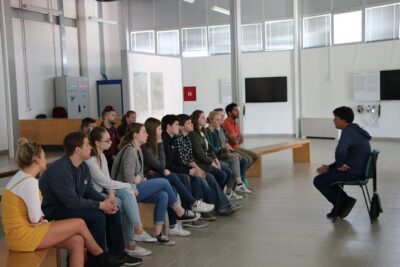
Sarajevo to Srebrenica: Genocide Study Tour with War Veteran
Read our review →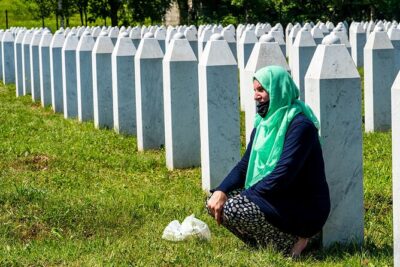
Understanding Srebrenica Genocide Tour + Lunch with Local Family Included
Read our review →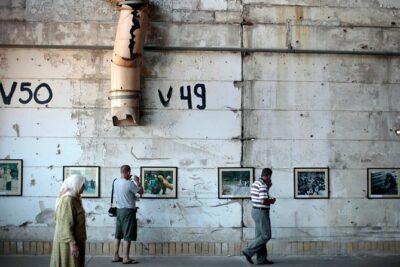
Understanding Srebrenica Genocide – Day tour from Sarajevo
Read our review →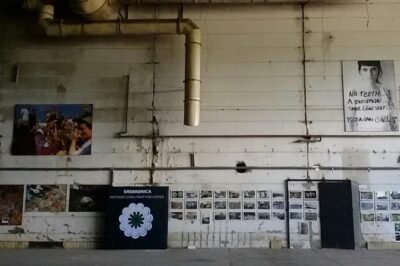
Understanding Srebrenica Genocide + Lunch With Local Family – Private Tour
Read our review →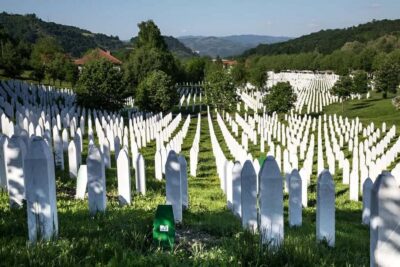
Understanding Srebrenica Genocide + Lunch with Local Family
Read our review →Browse the lists this tour appears in