
Reviewed · SARAJEVO TOURS
Sarajevo: Franz Ferdinand Assassination & the Start of WWI
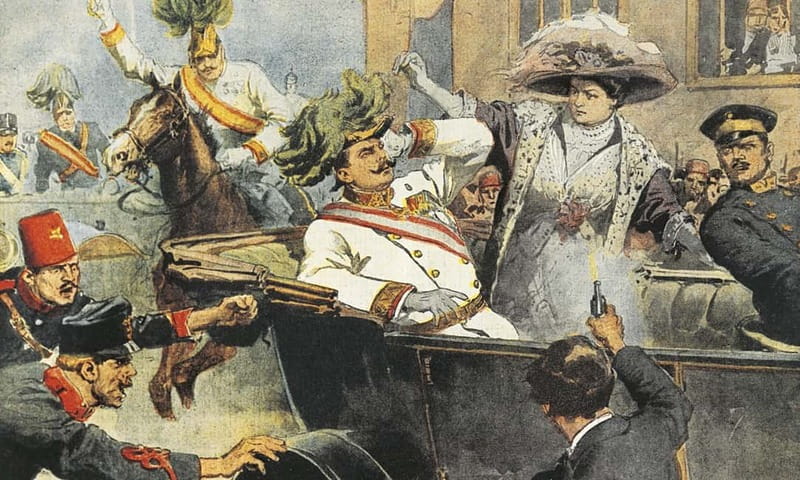
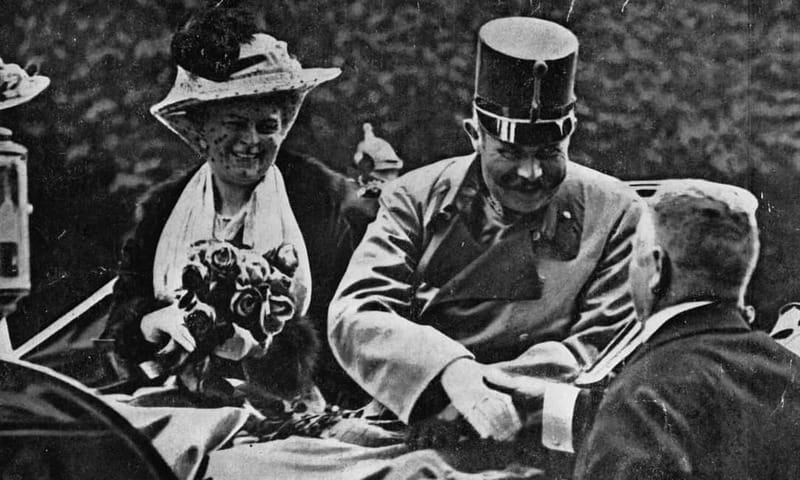
The remarkable thing about this Sarajevo tour is that the key scene is not locked away behind palace gates. You can stand beside the Latin Bridge, near the spot where Gavrilo Princip shot Archduke Franz Ferdinand and Sophie on June 28, 1914. The street looks ordinary today, which makes the story feel even more immediate.
I like two things here. First, the exact assassination location gives the history a strong sense of place. Second, the Museum 1878-1918 adds objects from the Austro-Hungarian period, so you are not left with only a dramatic story and a photograph. The main consideration is weather: much of the experience involves walking, and heavy rain or freezing temperatures can limit the outdoor portion.
Key points to know before booking
- Stand at the assassination site: See the spot near Latin Bridge where Princip fired the shots that killed Franz Ferdinand and Sophie.
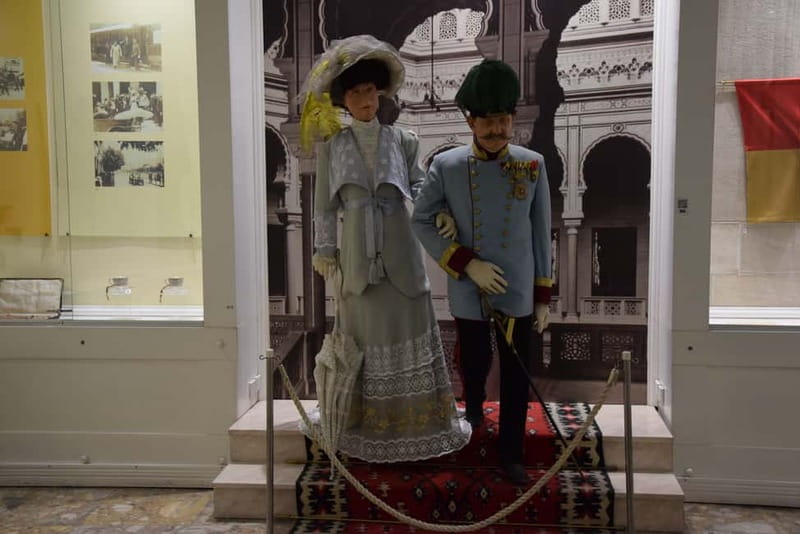
- Visit Museum 1878-1918: Examine original items connected with Sarajevo during Austro-Hungarian rule.
- Understand the wider crisis: The guide explains European rivalries, local politics, and the Young Bosnia movement instead of presenting the assassination as an isolated act.
- Expect more than one famous moment: The walk also covers Sarajevo’s Austro-Hungarian landmarks and the city’s broader past.
- English-speaking guides lead the tour: Guides including Fariz, Bojan, Brian, Nadeem, Aid, Dennis, and Emina have been praised for clear explanations and a friendly approach.
- Two hours is a useful length: At $29 per person, the tour offers a focused history lesson without taking over your day.
Why this Sarajevo tour matters
The assassination is often taught as a simple chain of events: Princip shoots Franz Ferdinand, Austria-Hungary declares war on Serbia, alliances draw in the major powers, and World War I begins. That version is easy to remember but too tidy.
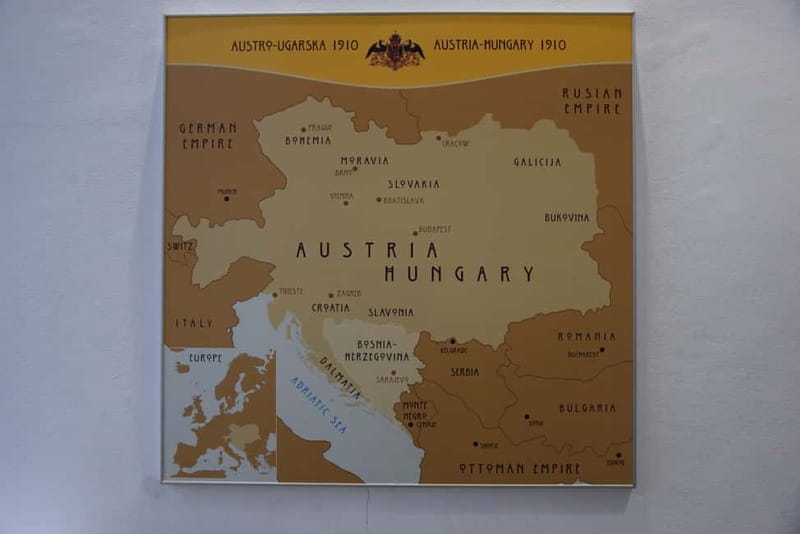
This walk helps you see the event within Sarajevo’s political setting. Bosnia and Herzegovina had been under Austro-Hungarian occupation since 1878 and was formally annexed by the empire in 1908. That rule brought major changes to Sarajevo, but it also sharpened tensions among imperial authorities, local communities, and nationalist movements.
The guide’s job is not just to point at a corner and repeat the date. You should come away understanding why the visit of the heir to the Austro-Hungarian throne mattered, why Princip and the Young Bosnia movement opposed imperial rule, and why Europe in 1914 was so ready to turn a regional crisis into a war between empires.
I especially like tours that connect a famous event to the streets around it. This one does that well. You move through the city center, see buildings shaped by Austro-Hungarian rule, and gradually arrive at the assassination site with more background in mind.
Other Sarajevo days people book alongside this one:
- Sarajevo: Mostar, Konjic, Blagaj Tekke, Pocitelj & Waterfall
★ 4.9 · 1,666 reviews - Fall of Yugoslavia, Sarajevo War Tour with Tunnel of Hope Museum and Frontlines
★ 5.0 · 1,314 reviews - Sarajevo: Grand Walking Tour Through Time and Cultures
★ 4.8 · 1,236 reviews
Meeting at Zelenih beretki 30
The tour begins at the Sarajevo Insider office at Zelenih beretki 30. This is a central meeting point, and the office gives you a clear place to find the guide before heading out.
Arrive with enough time to identify the office and settle in. One customer described the staff as welcoming, while another account pointed to a meeting issue that was later resolved with a private tour. That suggests a practical lesson: be punctual, confirm the starting point carefully, and make sure the guide knows you have arrived.
The experience is conducted in English. It is a live walking tour, not an audio route, so you can ask questions as the story develops. That matters here because the subject is full of names, alliances, political terms, and competing national viewpoints. A guide can slow down, explain a point again, or take your question beyond the standard script.
Walking through Austro-Hungarian Sarajevo
Before reaching the assassination site, expect to see parts of Sarajevo shaped during the Austro-Hungarian period. The walk places the 1914 event within the city that Franz Ferdinand and Sophie entered that day.
Sarajevo’s architecture makes this section useful. The city is often introduced through its Ottoman quarter, but the Austro-Hungarian period added another layer. Buildings, streets, and public spaces reflect the empire’s attempt to bring its political and administrative style to Bosnia.
You will learn about the occupation and its effect on Sarajevo. The exact route can vary with the guide and conditions, but the focus includes key Austro-Hungarian landmarks. That wider look is one reason I would not reserve this only for someone who already knows the details of World War I.
Several guides have been singled out for connecting the assassination to Sarajevo itself. Aid was praised for explaining the city’s past alongside the killing. Mohammed began with city history before ending at the assassination material. Dennis was noted for making Sarajevo’s culture, history, and landmarks engaging. These details point to a tour that treats the city as more than a backdrop.
The political setting before the gunshots
The strongest part of the experience should be the explanation of what came before June 28, 1914. You will hear about the political climate in Europe, the role of Austria-Hungary in Bosnia and Herzegovina, and the motives of the Young Bosnia movement.
Gavrilo Princip was a Bosnian Serb member of Young Bosnia, a movement opposed to Austro-Hungarian control and influenced by South Slav nationalism. The tour explains his actions within that setting, while also showing how one person’s motives fit into larger political struggles.
This is where a good guide makes a real difference. The subject can easily become a list of facts. Guides such as Fariz and Bojan have been praised for explaining not only the assassination but also the social and political background of Bosnia and the Balkans. Brian was noted for handling questions about the causes of World War I. That is useful because many visitors arrive with a basic story but want to know why the story became possible.
You should also expect a careful explanation of the difference between cause and trigger. The assassination triggered the July Crisis, but it did not create every tension from nothing. Rival alliances, imperial competition, nationalism, military planning, and distrust had already made Europe unstable. The tour’s value lies in showing how those forces met on one Sarajevo street.
Same country, a completely different kind of day:
- Sarajevo: Mostar, Konjic, Sufi House, Pocitelj & Kravice Falls
★ 5.0 · 1,179 reviews - Sarajevo: Tunnel Museum Yugoslavia War Tour with War Veteran
★ 5.0 · 1,111 reviews - ROSES OF SARAJEVO (Official WAR + CITY tour)- Story of a Survivor
★ 5.0 · 770 reviews - Sarajevo: Tunnel of Hope Tour – Survival and Resilience
★ 4.8 · 630 reviews
Standing near Latin Bridge
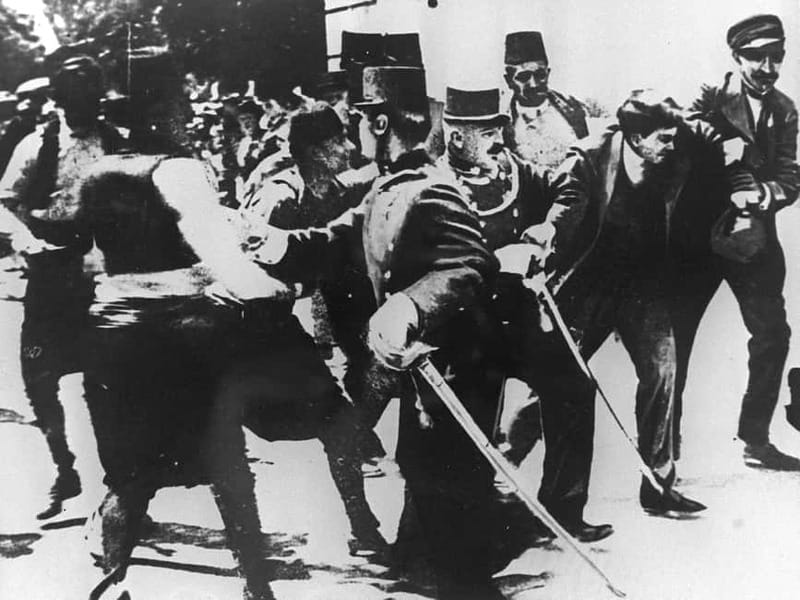
The emotional center of the walk is the area near Latin Bridge. Here, the guide explains where the motorcade went, where the plans changed, and where Princip was positioned when he fired.
Standing in the place itself gives the event a human scale. Franz Ferdinand and Sophie were not abstract names on a timeline. They were in a car moving through a real street, surrounded by the city’s buildings and public spaces. The moment becomes easier to picture because you are looking at the same urban setting.
One especially useful detail is the chance to see the car associated with the assassination. A customer specifically appreciated seeing the actual car and standing where Princip stood. The available information does not suggest that every part of the car collection is always presented in the same way, so treat this as part of the museum visit rather than a guarantee of a separate vehicle display.
The guide will also explain the sequence of events. The first attack on the motorcade failed. Later, after the driver took a wrong turn, the car stopped near Princip, giving him the chance to fire. That sequence is essential because it shows how chance and confusion helped shape a world-changing event.
Inside the Museum 1878-1918
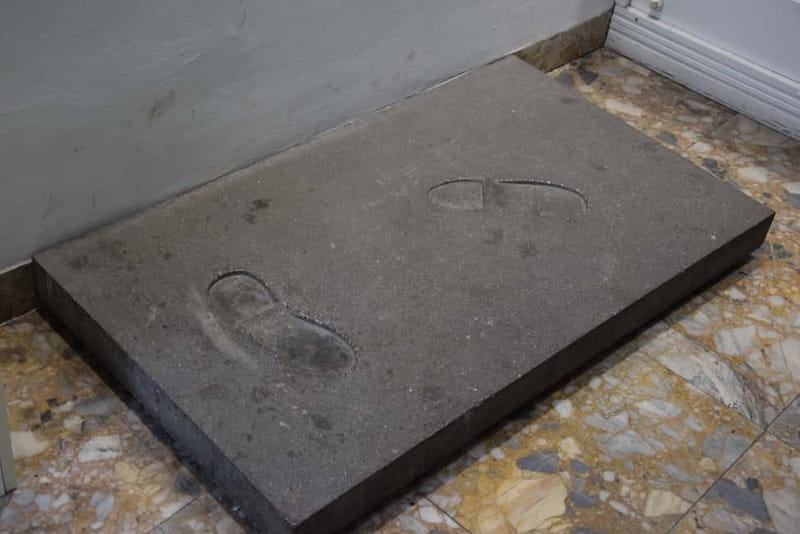
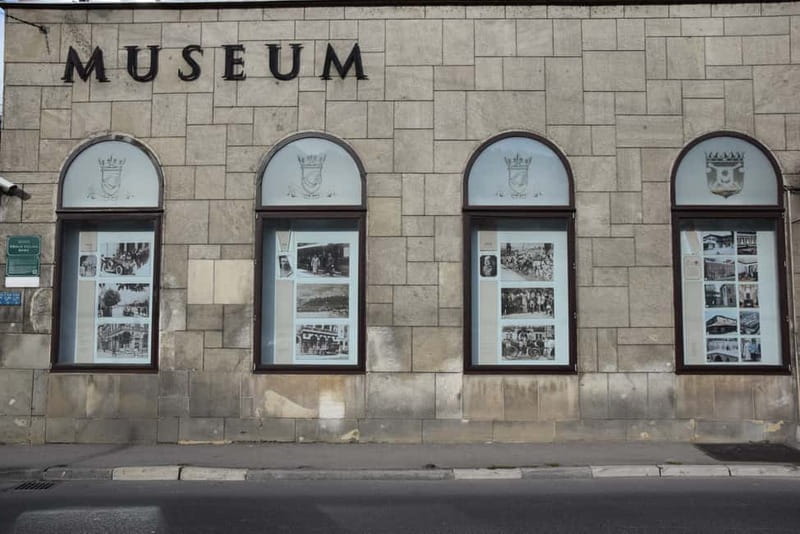
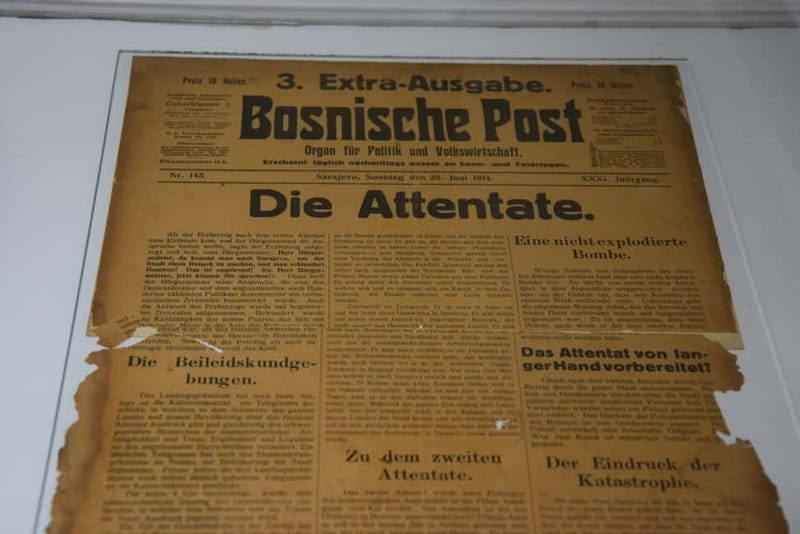
The entrance fee to the Museum of the Austro-Hungarian Period is included. The museum, commonly associated with the 1878 to 1918 period, adds physical evidence to the walking tour.
Original items from the Austro-Hungarian era help you picture the city’s political and social setting. Objects can explain a period in a way that a street explanation cannot. They show how authority presented itself, what public life looked like, and how Sarajevo was linked to the empire.
The museum visit also gives your feet a break after the outdoor walk. It is a sensible ending because the story moves from the city’s wider setting to the assassination itself, then into material connected with the era.
One recent account also praised a virtual reality experience at the museum. Since the supplied tour details do not define that feature as a guaranteed part of the booking, ask at the museum whether it is available and whether it costs extra. If operating, it can add another way to picture the event, but the main value of the tour does not depend on it.
The museum is included in the $29 price, which improves the overall value. You are paying for a guide, the walk, and an indoor historical stop rather than only a talk beside the bridge.
How the guides shape the experience
The guide is the main variable in any history walk. Here, the named guides associated with the experience include Fariz, Bojan, Brian, Nadeem, Aid, Dennis, Emina, and Mohammed.
Fariz has been praised for a college-level grasp of World War I, the assassination, and the wider story of Franz Ferdinand and Sophie. Bojan has received strong approval for his explanations of Sarajevo, Bosnian culture, and the Balkans, as well as for practical city recommendations. Brian was singled out for answering detailed questions about the causes of the war.
Other guides bring a similar mix of historical skill and personal warmth. Aid and Emina were described as friendly and clear. Dennis was praised for an engaging presentation. Nadeem adapted the route during heavy rain, when walking outdoors was difficult.
That flexibility is worth noting. A two-hour walk can feel very different in pleasant weather and cold rain. The outdoor sections may be shortened or adjusted, but the story can still work through the guide’s explanations and the museum visit.
The strong rating of 4.9 from 41 reviews supports the view that guiding is a major strength. Still, guide-led tours are personal experiences. If you have a particular interest, such as military history, Balkan nationalism, architecture, or the July Crisis, ask questions early. The guides appear willing to go beyond the basic route.
What $29 buys you
At $29 per person, this is a fair price for a two-hour guided history experience in central Sarajevo. The price includes the English-speaking guide and the museum entrance, so you do not need to build a separate ticket into your budget.
The value is highest if you want interpretation rather than simple sightseeing. You could locate Latin Bridge and the assassination site alone, but the physical location will not explain the occupation, Young Bosnia, the failed first attack, or the chain of decisions that followed. A guide turns a place into a story.
The tour also saves research time. To understand the event properly, you would need to read about Bosnia under Austria-Hungary, Princip, Serbian nationalism, the alliance system, and the July Crisis. Two hours with a strong guide gives you a useful framework before you read more or visit other museums.
The drawback is that the tour is short for such a large subject. You cannot get a full account of the First World War, the Balkans, and modern European politics in 120 minutes. Think of it as a focused introduction with local context, not a complete course in 1914 Europe.
Who should book this walk
I would recommend it most strongly to history fans, first-time visitors to Sarajevo, and anyone who wants to understand why this city appears so often in accounts of modern Europe.
It also suits casual visitors. The guides cover Sarajevo beyond the assassination, so you do not need to arrive with a detailed grasp of imperial politics. The walk gives you a useful introduction to the city’s Austro-Hungarian layer.
Families with older children and teenagers may find the story memorable, especially because the site and the street layout make the event easier to picture. The subject includes political violence and wartime consequences, so parents should decide if that fits their group.
You may want to skip it if you dislike guided walking tours, already have a detailed academic understanding of the assassination, or want a longer visit focused only on museum objects. The tour blends city history, outdoor sites, and a museum rather than offering a long, quiet museum session.
Wear shoes suitable for city walking and check the weather. Rain has affected the route before, and winter conditions can be very cold. The tour remains possible in poor weather, but the outdoor portions may not feel as comfortable or complete.
Booking details to keep in mind
The listed duration is two hours, with starting times available according to the date you choose. The meeting point is Sarajevo Insider Office, Zelenih beretki 30, Sarajevo 71000.
Free cancellation is available up to 24 hours before the start for a full refund. You can also reserve now and pay later, which helps if your Sarajevo plans are still changing.
The tour is offered in English with a live guide. The activity includes skip-the-ticket-line access and the entrance fee to the Museum of the Austro-Hungarian Period.
Should you book the Franz Ferdinand tour?
Book it if you want the assassination explained in the streets where it happened, with enough Sarajevo context to make the story clear. The combination of Latin Bridge, Austro-Hungarian landmarks, a museum visit, and a live English-speaking guide gives you more than a quick photo stop.
I would especially choose it early in a Sarajevo visit. The walk can help you understand the city’s imperial past before you explore the Ottoman quarter, museums, and other parts of Bosnia and Herzegovina.
Skip it only if you want a very narrow museum visit or a much longer academic treatment. For $29 and two hours, it is a well-focused way to connect one famous gunshot with the political forces that helped turn a local crisis into World War I.
FAQ
Where does the tour meet?
The tour meets at the Sarajevo Insider Office, Zelenih beretki 30, Sarajevo 71000.
How long does the tour last?
The tour lasts two hours.
What language is the tour offered in?
The tour is conducted in English with a live English-speaking guide.
Does the tour visit the assassination site?
Yes. You will stand near Latin Bridge at the location associated with the assassination of Archduke Franz Ferdinand and Sophie.
Is the museum entrance included?
Yes. The entrance fee to the Museum of the Austro-Hungarian Period is included in the activity.
What is the price?
The listed price is $29 per person.
What does the tour cover besides the assassination?
The walk covers Sarajevo during the Austro-Hungarian era, key Austro-Hungarian landmarks, the Young Bosnia movement, the political climate before World War I, and the wider causes and effects of the assassination.
Can I cancel the booking?
Yes. You can cancel up to 24 hours in advance for a full refund.
Can I reserve now and pay later?
Yes. The activity allows you to reserve your place and pay later.
Just added around Sarajevo
- Sarajevo Under Siege: A War History Tour★ 5.0 · 10 reviews
- Private Full Day Safari Tour★ 5.0 · 8 reviews
- WAR TUNNEL – Sarajevo’s only way of a communication during the WAR – Top secret★ 5.0 · 12 reviews
- Ultimate Gastro Experience★ 4.5 · 14 reviews
- Mysterious Visoko Pyramids Driving and Walking Tour★ 5.0 · 7 reviews
- Secret Tito’s Bunker/Konjic Tour★ 5.0 · 4 reviews
- The Secret Lifeline: Sarajevo’s War Tunnel Tour★ 5.0 · 6 reviews
- Crossroads of Cultures – Sarajevo Walking Tour★ 5.0 · 8 reviews
Sarajevo Tours, compared.

Fall of Yugoslavia, Sarajevo War Tour with Tunnel of Hope Museum and Frontlines
Read our review →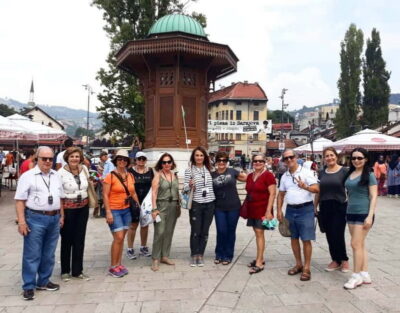
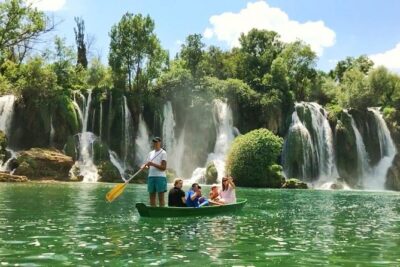
Mostar, Konjic, Sufi House, Pocitelj & Kravice Falls
Read our review →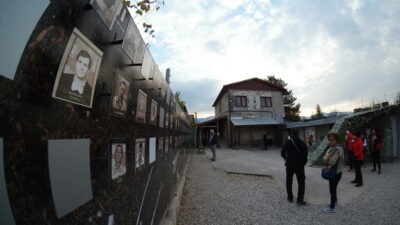
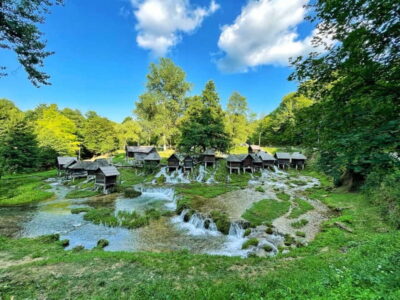
Mostar, Konjic, Dervish House, Pocitelj & Kravica Falls
Read our review →
Bosnian War & Fall of Yugoslavia Tour with Tunnel
Read our review →Browse the lists this tour appears in