
Reviewed · SARAJEVO WAR TUNNEL TOURS
Sarajevo: A Siege Story – The Tunnel of Hope Experience
Sarajevo’s Tunnel of Hope is more than a short underground passage. It is the place where the city’s story becomes physical: a narrow route that carried food, medicine, fuel, and people beneath the airport runway during the siege. This tour connects that tunnel with the hills, streets, hospitals, and Olympic sites that explain why it mattered.
I like the way the tour combines clear wartime geography with personal accounts from local guides. I also like its small-group and private options, since guides such as Nermin, who lived through the siege, have been able to explain daily life in a way a museum panel cannot.
The main drawback is time spent in the van. You see many important places, but several are viewed while passing, and the original tunnel is closed. You walk through only about 25 meters of the surviving section, so set your expectations accordingly.
Key points to know before you book
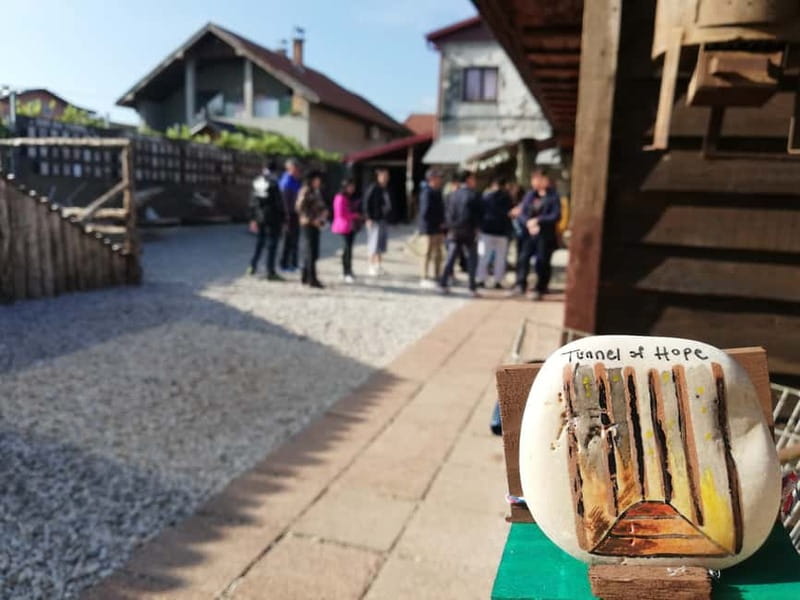
- The Tunnel of Hope is the emotional center: You walk through a preserved section of the passage, then learn how it linked besieged Sarajevo with the outside world.
- The tour explains the city from above and at street level: Yellow Fortress gives you the broad view, while Sniper Alley and the maternity hospital bring the danger closer to everyday life.
- Personal guides can make the difference: Nermin has described using the tunnel and serving as a policeman during the siege, while Naida has been praised for combining personal insight with historical context.
- The Olympic story is brief: You see Hase Olympic Stadium and pass Hall Zetra, but this is primarily a war tour, not an Olympic heritage tour.
- The $31 price does not include museum entry: Add 20 BAM, about €10.50, for an adult ticket, or 8 BAM, about €4.50, for a student ticket.
- This is not suitable for wheelchair users: Wear comfortable shoes, and note that backpacks and pets are not allowed.
Why Sarajevo’s tunnel story matters
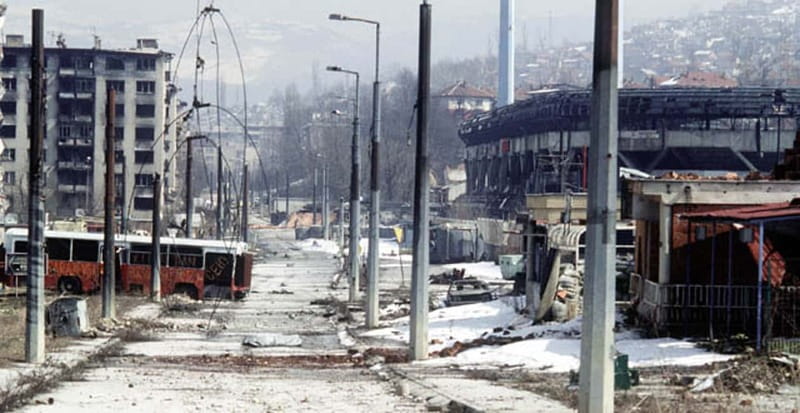
From 1992 to 1995, Sarajevo was surrounded during the war that followed the breakup of Yugoslavia. The city’s residents faced shelling, sniper fire, shortages, and the daily problem of getting food and medical supplies through a sealed urban area.
The Tunnel of Hope was built under the airport runway to connect Sarajevo with territory outside the siege lines. It was cramped, difficult, and dangerous, but it gave the city a supply route and a connection to the wider world.
That context is important because the tunnel is easy to misunderstand as a simple engineering curiosity. It was not simply a passage. It was a lifeline used under extreme conditions, and the tour places it within the wider story of hospitals, markets, defensive positions, sports facilities, and ordinary streets.
You begin at the Insider Agency at 30 Zelenih Beretki Street in central Sarajevo. From there, a modern vehicle carries you up toward the Yellow Fortress. The tour lasts 210 minutes, or three and a half hours, which gives you enough time for a connected account without turning the day into a full-day commitment.
More sarajevo war tunnel tours in Sarajevo:
- Fall of Yugoslavia, Sarajevo War Tour with Tunnel of Hope Museum and Frontlines
★ 5.0 · 1,314 reviews - Sarajevo: Tunnel Museum Yugoslavia War Tour with War Veteran
★ 5.0 · 1,111 reviews - Sarajevo: Tunnel of Hope Tour – Survival and Resilience
★ 4.8 · 630 reviews
Yellow Fortress: Sarajevo from the hillside
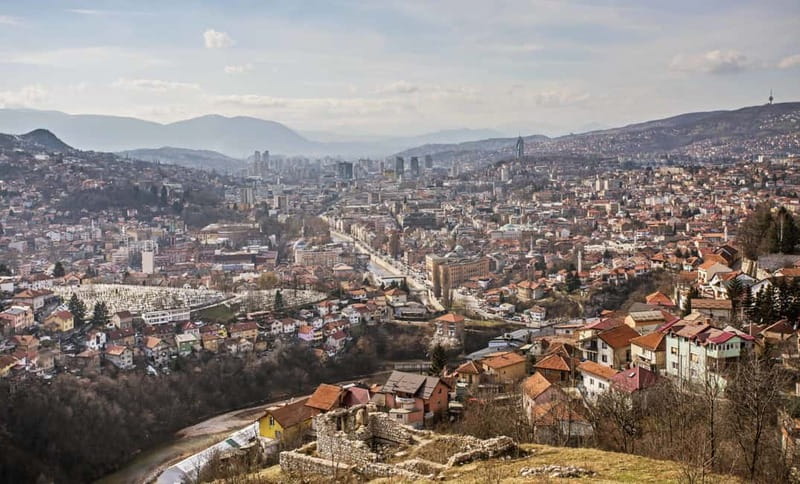
The Yellow Fortress is a strong opening stop because it helps you understand Sarajevo’s shape. From the hill, you get panoramic views over the city and can see why the surrounding heights mattered during the siege.
Your guide uses this viewpoint to explain the origins of the conflict, the fall of Yugoslavia, and Sarajevo’s early defense efforts. This is the place to ask basic questions about who controlled which areas, how the city was surrounded, and why movement through Sarajevo became so dangerous.
The view also keeps the tour from becoming a string of disconnected war sites. You can look down at the urban basin before seeing the streets where the story unfolded. Allow about 15 minutes here for the stop, guided explanation, and photographs.
Bring shoes with a good grip and clothes suited to walking outdoors. The tour does not call for a long hike, but the starting point is on a hillside and this is not a polished indoor attraction.
Olympic Sarajevo and the city’s altered landmarks
Sarajevo hosted the Winter Olympics in 1984, a period remembered as a time when the city presented itself to the world as an international meeting place. The tour then shows how those same sporting sites became part of the wartime story.
You stop briefly at Hase Olympic Stadium for sightseeing, then pass the Holiday Hotel and Hall Zetra. The stadium stop is listed at about five minutes, so expect a quick explanation rather than a detailed Olympic tour.
This is one area where the experience may feel thin if you are especially interested in sports history. The main focus remains the siege, and the Olympic sites work as contrast: places built for competition and celebration were caught up in the violence that followed less than a decade later.
I still find this short Olympic chapter useful. It reminds you that Sarajevo was not defined by the war before the 1990s, and that the city’s identity includes more than its destruction and survival.
Sniper Alley and the danger of an ordinary road
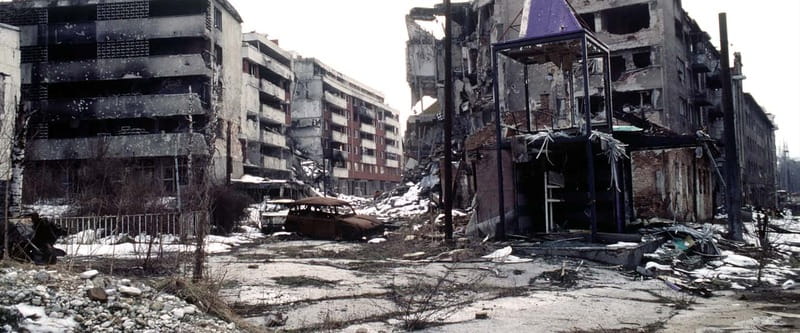
The vehicle then takes you through areas associated with the siege, including Sniper Alley. This name refers to a major street exposed to sniper fire and artillery from the surrounding hills.
You do not get a long walking stop here. Much of the value comes from your guide pointing out the route while you are in the van and explaining why crossing or driving along it could be life-threatening. A street that looks ordinary today becomes easier to understand when you know how its width, sightlines, and surrounding hills affected movement.
The same applies to the Sarajevo Maternity Hospital. Medical staff worked under bombardment and shortages, caring for mothers and newborns in conditions that would challenge any hospital. The stop or explanation gives the siege a human scale. You are not only learning where artillery landed. You are hearing about staff trying to keep medical care going while the city around them was under attack.
The tour also includes the story of Markale Market in its broader explanation of Sarajevo’s wartime landmarks. Markale is important because it shows how public, everyday places became dangerous. A market is normally a symbol of routine and community. During the siege, gathering food could expose civilians to shelling.
More sarajevo siege tours in Sarajevo:
- Tunnel Museum: Bosnian & Yugoslav Wars Tour with War Veteran
★ 5.0 · 551 reviews - Sarajevo: Bosnian War & Fall of Yugoslavia Tour with Tunnel
★ 4.9 · 398 reviews - Sarajevo War Tour: A Veteran’s Story of the Siege (fees included)
★ 5.0 · 326 reviews - Sarajevo: Srebrenica Genocide Study Tour with War Veteran
★ 5.0 · 263 reviews
The Tunnel of Hope Museum and its short preserved passage
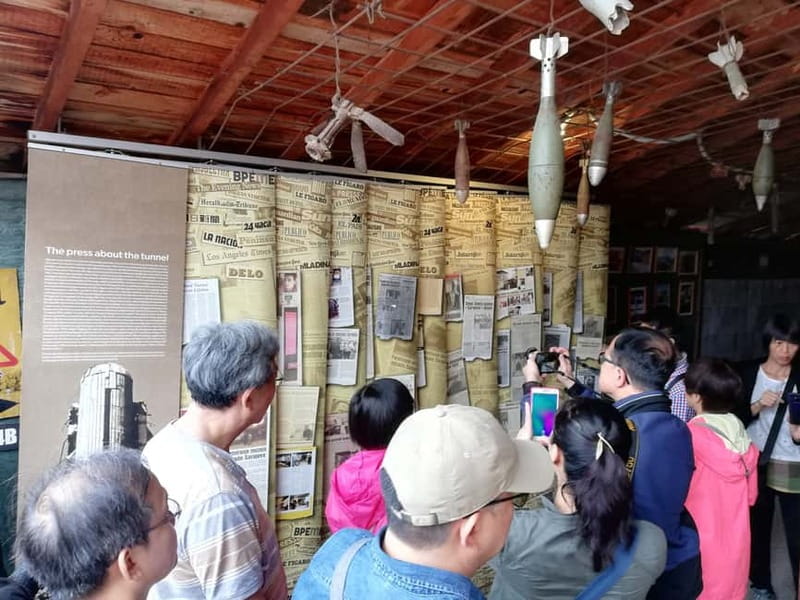
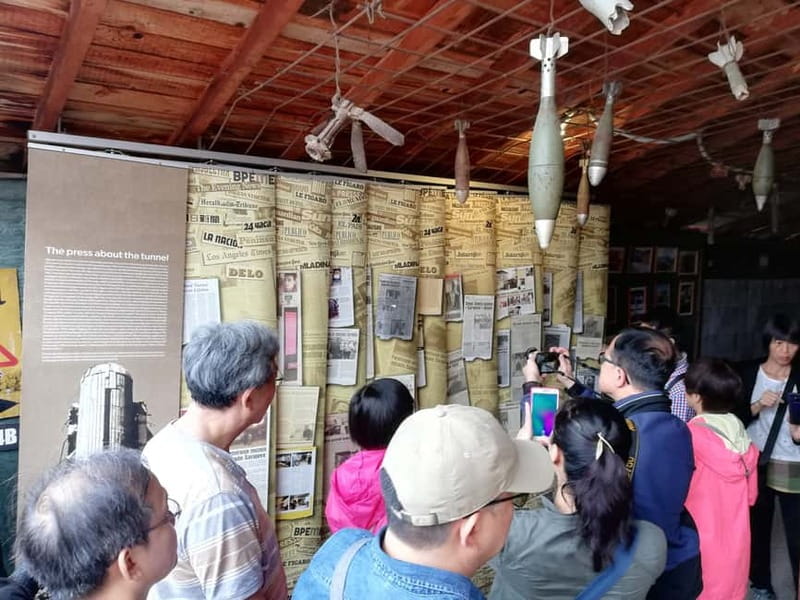
The tour’s longest stop is at the Sarajevo Tunnel, with about an hour for the museum, guided explanation, photographs, and walking. You pay the entrance fee separately: 20 BAM for an adult or 8 BAM for a student.
The original tunnel ran beneath the airport runway, but that complete route is not open to the public. Instead, you walk through roughly 25 meters of the surviving section. The passage is narrow and gives only a small physical sense of the larger system.
That limitation matters. If you arrive expecting to walk through the entire wartime route, you may be disappointed. The preserved section cannot recreate the full danger, exhaustion, crowding, and uncertainty of using the tunnel during the siege.
Still, the museum is valuable because the guide explains what the short section represents. The tunnel carried supplies from the airport area into the besieged city. It helped maintain food and medical deliveries, supported communication, and gave people a route that bypassed exposed roads.
This is where a personal guide can add the most. Nermin has been described as a policeman during the siege who used the tunnel himself. A guide with that experience can explain the place not only as a military project but as part of ordinary survival.
Do not rush this stop. The tunnel itself is brief, but the surrounding interpretation is what turns it into a meaningful visit. The museum entry is the only major extra cost, and I consider it worthwhile if you want to understand the siege rather than simply photograph an unusual passage.
What the final drive adds
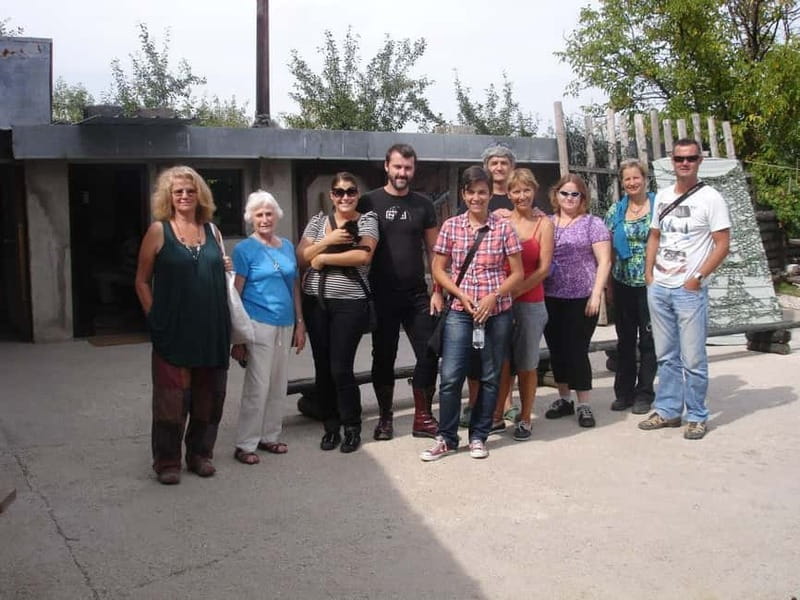
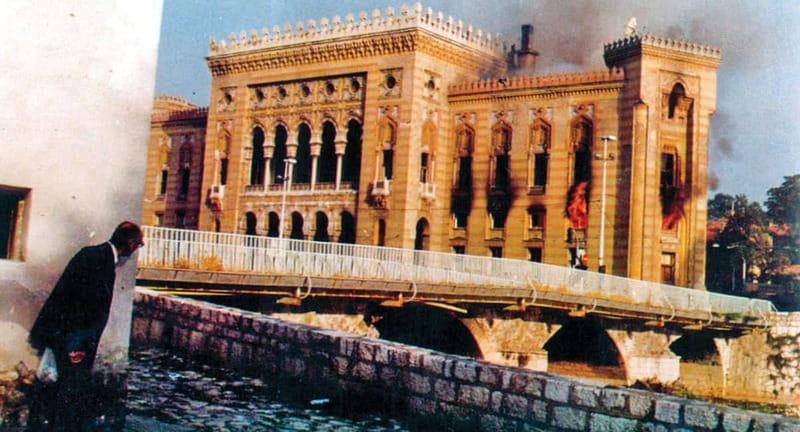
After the tunnel, the route passes the National Museum of Bosnia and Herzegovina and the History Museum of Bosnia and Herzegovina. You also pass through Grbavica before returning to Zelenih Beretki Street.
These are mostly drive-by views, not full museum visits. That distinction is important when you compare this tour with a walking tour or a museum-focused day. You will see the locations and hear their place in Sarajevo’s story, but you will not have time to explore their exhibitions.
Grbavica adds another part of the city’s wartime geography. The route helps you understand that the siege was not confined to one famous street or one museum. It affected neighborhoods, public buildings, hospitals, sports grounds, and the city’s main routes.
The van-based format lets you cover more ground than a walking tour. The tradeoff is that you spend some time looking through a window rather than standing at each location. One person found the amount of driving excessive and felt a city walking tour would have been a better match. I would take that criticism seriously if you prefer long stops and close-up detail.
Guides, group size, and the human side of the tour
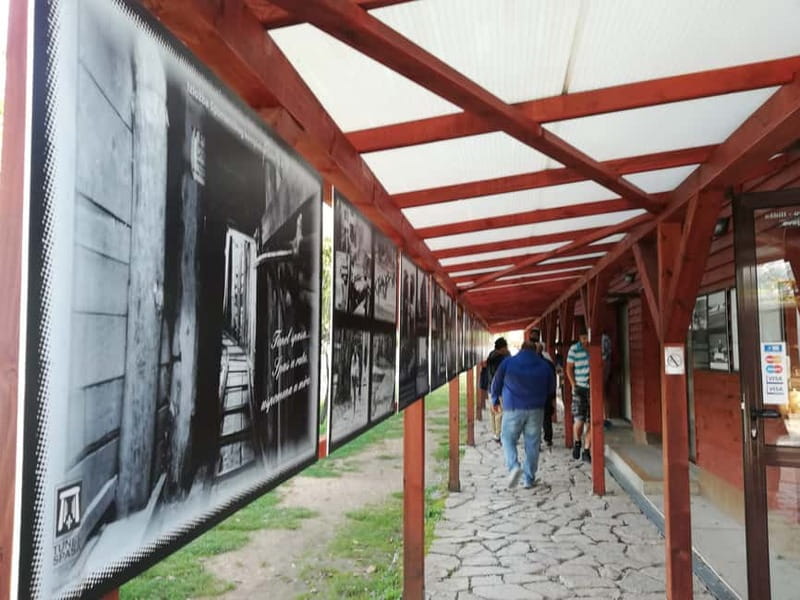
The tour is offered with live guiding in English, Croatian, German, Italian, Spanish, and French. Private and small-group formats are available, which can make a real difference on a serious subject like this.
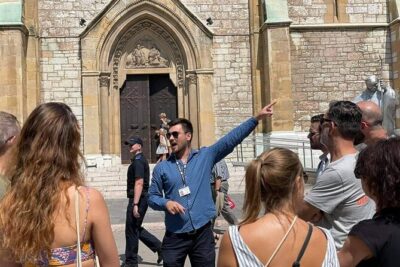
A private tour lets you shape the conversation around your interests. If you already know the basic chronology, you can ask more about civilian life, military strategy, medicine, or Sarajevo’s multi-faith character. If the subject is new to you, the guide can slow down and build the story from the start.
Names associated with especially strong guiding include Nermin and Naida. Nermin has shared firsthand memories of the war and the tunnel. Naida has been praised for her personal perspective, historical understanding, and thoughtful explanation of what happened to Sarajevo.
Guide assignments can change, so do not book on the assumption that a particular person will lead your departure. The important point is the local perspective. The best guides on this route do more than list dates and events. They explain what danger and scarcity meant in daily life, and they answer questions without making the subject feel like a staged performance.
The overall rating is 4.8 from 206 reviews, and 92 percent of ratings gave the transport a perfect score. That matches the practical appeal of the format: you cover distant sites in a clean, modern vehicle and avoid arranging taxis between the old center, the hillside, and the tunnel.
Is the $31 price good value?
At $31 per person, the tour is reasonably priced for three and a half hours of transport, a licensed guide, and several widely separated sites. You should add the Tunnel of Hope museum ticket to your budget, bringing the adult cost to roughly $41 before any currency changes.
The value is strongest if you want a clear introduction to the siege in one outing. You get the city view, the major street context, the hospital story, a glimpse of the Olympic sites, and the tunnel without having to plan the route yourself.
The value is weaker if you mainly want to walk. Several stops are short, and some landmarks are passed rather than visited. You are paying for the guide’s explanation and the ability to connect the sites, not for long independent time at every location.
Free cancellation up to 24 hours before departure and the reserve-now, pay-later option make it easier to fit into a changing Sarajevo schedule. Starting times vary, so check availability when booking.
Who should book this Sarajevo war tour?
I would choose this tour if you want to understand the 1990s Siege of Sarajevo in a single morning or afternoon. It suits first-time visitors, people with a strong interest in recent European history, and anyone who wants local explanation alongside the main wartime sites.
It is also a good choice if you have limited time. The route covers ground that would be awkward to arrange independently, and the chronological structure helps the city’s story make sense.
You may prefer a walking tour if you want to spend more time at street level, visit museums at your own pace, or focus on Sarajevo’s older Ottoman, Austro-Hungarian, and religious history. This experience is serious and focused. It is not designed as a general sightseeing tour.
Comfortable shoes are still useful for the Yellow Fortress and tunnel visit. Backpacks and pets are not allowed, and the activity is not suitable for wheelchair users.
Should you book it?
Book it if the Sarajevo siege is a major reason for your visit, or if you want the essential wartime context before exploring the city on your own. The Tunnel of Hope, Sniper Alley, and the firsthand accounts from guides such as Nermin give the tour real weight.
Skip it if you dislike vehicle tours or expect to walk through the full original tunnel. The preserved section is short, and the Olympic and museum stops are brief. For most visitors interested in Sarajevo’s recent past, though, the combination of hillside views, city routes, personal testimony, and the tunnel makes this a strong use of three and a half hours.
FAQ
How long does the Sarajevo Siege Story tour last?
The tour lasts 210 minutes, or three and a half hours.
Where does the tour start and finish?
It starts and returns to the Insider Agency at 30 Zelenih Beretki Street in Sarajevo.
Is the Tunnel of Hope museum entrance included?
No. Adult entry costs 20 BAM, about €10.50, and student entry costs 8 BAM, about €4.50.
Which languages are available?
Live guiding is available in English, Croatian, German, Italian, Spanish, and French.
Does the tour include transportation?
Yes. Modern transportation and a licensed tour guide are included.
Is the tour suitable for wheelchair users?
No. The activity is not suitable for wheelchair users. Pets and backpacks are also not allowed.
Just added around Sarajevo
- Sarajevo Under Siege: A War History Tour★ 5.0 · 10 reviews
- WAR TUNNEL – Sarajevo’s only way of a communication during the WAR – Top secret★ 5.0 · 12 reviews
- Private Full Day Safari Tour★ 5.0 · 8 reviews
- Ultimate Gastro Experience★ 4.5 · 14 reviews
- Mysterious Visoko Pyramids Driving and Walking Tour★ 5.0 · 7 reviews
- Secret Tito’s Bunker/Konjic Tour★ 5.0 · 4 reviews
- The Secret Lifeline: Sarajevo’s War Tunnel Tour★ 5.0 · 6 reviews
- Crossroads of Cultures – Sarajevo Walking Tour★ 5.0 · 8 reviews
Sarajevo War Tunnel Tours, compared.

Fall of Yugoslavia, Sarajevo War Tour with Tunnel of Hope Museum and Frontlines
Read our review →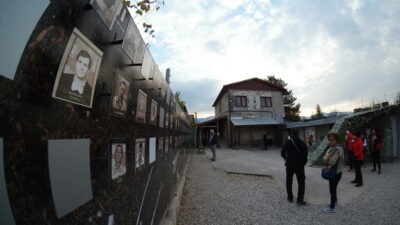
Sarajevo Grand Tour: Old Town, War Tunnel, Olympic Sites & More
Read our review →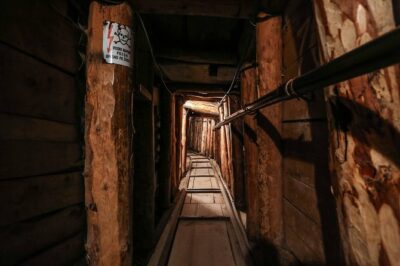
Times of Misfortune – Life Under Siege and the Tunnel of Hope
Read our review →
Sarajevo Grand Tour: 5 Hours Old Town, War Tunnel, Olympics
Read our review →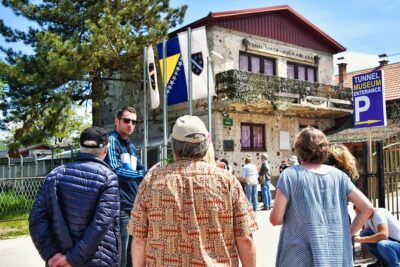
WAR TUNNEL – Sarajevo’s only way of a communication during the WAR – Top secret
Read our review →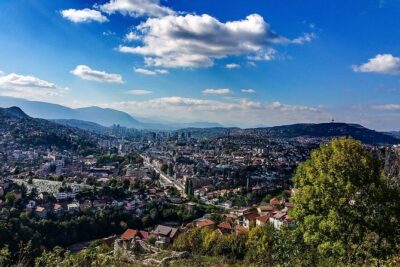
SARAJEVO SIEGE TIMES ’92-’95 / Sarajevo Roses & Tunnel of Hope /
Read our review →Browse the lists this tour appears in