
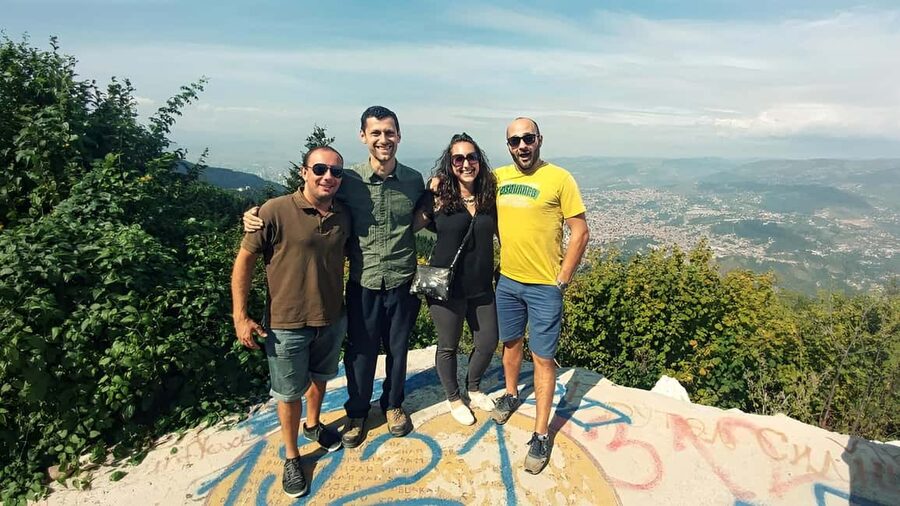
Reviewed · SARAJEVO SIEGE TOURS
Sarajevo Siege Tour with War Veteran Guide (Fees Included)
The most powerful part of this Sarajevo tour is not simply walking through the Tunnel of Hope or looking down Sniper Alley. It is hearing those places explained by someone who lived through the siege. Guides such as Adnan and Mustafa connect the war’s larger story to personal memories, difficult questions, and details you would likely miss alone.
I like the tour’s mix of sites: the tunnel explains how Sarajevo survived, while the Olympic bobsled track and Jewish Cemetery show how war reshaped familiar parts of the city. I also like the clear price of $47, which includes pickup, transport, taxes, and the 10.50 EUR tunnel entrance fee. The main consideration is emotional weight. This is an informative but disturbing experience, not a light sightseeing outing.
Key points
- A survivor leads the story: Guides such as Adnan and Mustafa explain the siege from personal experience and welcome questions.
- The Tunnel of Hope puts survival into physical form: You watch a short film, enter part of the tunnel, and see wartime exhibits.
- Trebević links Sarajevo’s Olympic past with its wartime front line: The mountain includes the famous abandoned bobsled track.
- The Jewish Cemetery reveals the city’s divided geography: During the siege, it became a sniper position overlooking Sniper Alley.
- Small groups keep the discussion personal: The tour is limited to eight people and includes an English-speaking guide and driver.
- The $47 price is unusually tidy: Pickup, transfers, government taxes, and the tunnel fee are included.
Why a survivor’s account changes the Sarajevo siege tour
Sarajevo’s 1992 to 1995 siege can feel distant when you encounter it only through dates and maps. This tour gives the subject a human voice. Your guide introduces the breakup of Yugoslavia, the origins of the conflict, and the siege itself, then relates those events to the streets and hills around you.
The personal element matters. You can ask questions during the drive and at each stop, including questions about daily life and the guide’s own experience. That kind of conversation is the reason to choose this tour instead of simply taking a taxi to the Tunnel of Hope and reading the museum panels on your own.
Several guides have received especially strong praise for the way they handle the subject. Adnan is described as charismatic, lively, and deeply moving, while Mustafa is known for answering questions carefully and adding stories at every stop. Your assigned guide may be different, but the tour is built around a local survivor rather than a distant narrator.
This direct approach also means the experience can stay with you. One visitor found the tour informative and disturbing, with the effect lingering for days. That is useful warning, not a flaw. Sarajevo’s siege involved death, displacement, hunger, shelling, and fear. A good tour should not turn that into a tidy sightseeing story.
More sarajevo siege tours in Bosnia and Herzegovina:
- Fall of Yugoslavia, Sarajevo War Tour with Tunnel of Hope Museum and Frontlines
★ 5.0 · 1,314 reviews - Sarajevo: Tunnel Museum Yugoslavia War Tour with War Veteran
★ 5.0 · 1,111 reviews - Tunnel Museum: Bosnian & Yugoslav Wars Tour with War Veteran
★ 5.0 · 551 reviews
Hotel Holiday and the road known as Sniper Alley
The tour begins with a drive past Hotel Holiday, formerly the Holiday Inn. The building was connected with Sarajevo’s 1984 Winter Olympics, but during the war it became a base for foreign journalists reporting from the besieged city.
The stop helps you picture Sarajevo as an international news center during the conflict. Reporters worked from a building near one of the most dangerous roads in the city, and their dispatches carried the siege into homes around the world.
You also pass along Sniper Alley. The name is grim, but the location is important because it shows the city’s geography. Sarajevo’s main routes could become exposed lines of danger, with movement controlled by the surrounding hills and positions above the city.
This part is a pass-by stop rather than a long museum visit. You should not expect a large formal exhibit here. Its value comes from the guide’s explanation and from seeing the places in relation to one another. The guide can point out how the road, hotel, hills, and later stops fit together.
Inside the Tunnel of Hope
The War Tunnel Museum is the central stop. During the siege, the tunnel provided a vital link beneath the airport area, connecting the city with territory outside the encirclement. It functioned like a narrow supply line for food, medicine, equipment, and people.
You begin with a short film about the war and the tunnel. Then you walk through the preserved section of the passage itself and visit exhibits tied to the siege. The tunnel is not presented as a grand monument. Its strength is its physical plainness: a confined route built for urgent survival.
The visit becomes more meaningful when your guide explains what the tunnel meant to people in a city cut off from normal roads. The museum gives you objects and images; the guide supplies the setting and personal detail. You can ask questions while the experience is fresh, rather than trying to reconstruct the story from labels alone.
The preserved section is short, so do not book this tour expecting a long underground expedition. The point is not distance. It is the idea of moving through a cramped passage that served as Sarajevo’s connection to the outside world during the siege.
The entrance fee, listed at 10.50 EUR per person, is included in the tour price. That makes the $47 cost easier to judge, especially since transport, taxes, and pickup are also covered.
Trebević, from Olympic pride to wartime front line
After the tunnel, the vehicle climbs toward Trebević. The mountain was tied to Sarajevo’s Olympic identity, but much of it also became part of the first line during the siege. The contrast is stark: a place associated with sport and celebration became a zone of battles and military positions.
Stops include Trebević viewpoints and sites such as Zlatište, Osmice, and Trebević Vidikovac. The exact amount of time at each point is not specified, so think of this as a guided mountain section rather than a set of long independent walks.
The guide’s role is especially useful here. From the city, the hills can look scenic and detached from the war. At the sites, your guide explains how the high ground affected Sarajevo and where destruction appeared. You begin to understand why the city was so exposed and why the surrounding mountains mattered so much.
The mountain portion also gives the tour some visual variety after the indoor tunnel. You move from a narrow passage to open viewpoints and damaged wartime locations. I like that change of pace, though visitors who want a long nature walk should keep expectations in check. This is a history tour using Trebević as its setting, not a hiking trip.
A few more Bosnia and Herzegovina trips to weigh up
- Sarajevo: 2 Hours Old Town Walking Tour With Local Guide
★ 5.0 · 505 reviews - Sarajevo: Old Town Walking Tour with Local Guide
★ 4.9 · 211 reviews - Sarajevo: Discover Sarajevo Walking Tour with Local Guide
★ 4.9 · 92 reviews - Sarajevo: Guided City Highlights Tour with Sarajevo Tunnel
★ 4.8 · 79 reviews
Walking the Sarajevo Olympic bobsled track
The Sarajevo bobsled track is one of the tour’s most unusual stops. Built for the 1984 Winter Olympics, it later sat on or near a major front line during the siege. Today, the abandoned track carries layers of graffiti and wartime memory.
The site works because it brings together two very different chapters of Sarajevo’s story. The Olympics represented international attention, modern facilities, and civic pride. The siege turned the same mountain area into a military position. Seeing the track in that setting makes the city’s recent past feel less like separate textbook chapters.
You will walk at the bobsled site with the guide. The track is known for its graffiti, much of it created by artists from around the world, and its damaged, abandoned appearance. This is likely to be one of the most visually memorable stops, but its appeal is not just photographic. The guide explains how the place functioned during the war and why it became a symbol of Sarajevo’s changed fortunes.
The combination of Olympic architecture and conflict can feel unsettling. That is precisely why the stop has value. You are not being shown a polished monument. You are seeing a public place marked by both celebration and violence.
The Jewish Cemetery above Sniper Alley
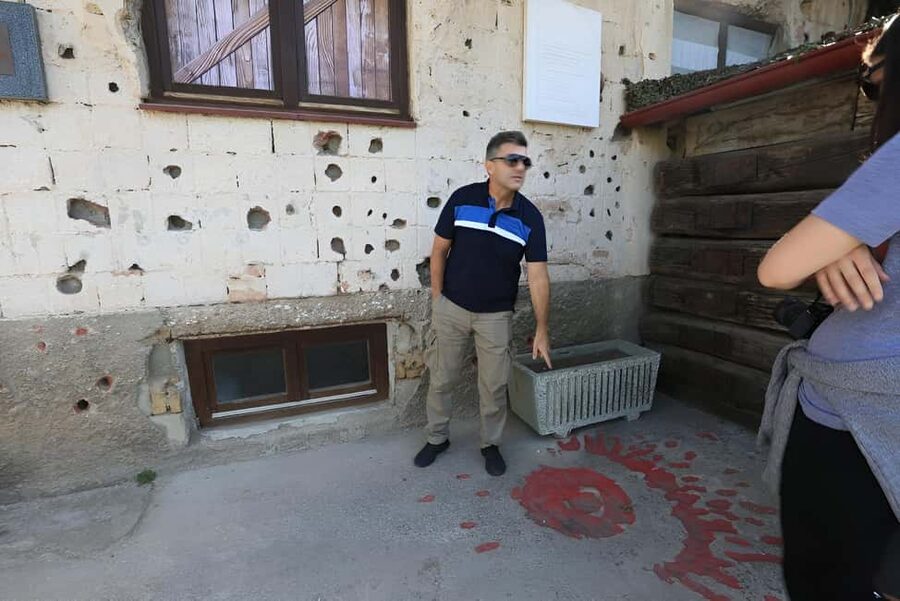
The final major stop is Sarajevo’s Jewish Cemetery, one of the largest Jewish cemeteries in Europe. Its older historical importance is significant, but the tour focuses on its role during the siege.
The cemetery became a front-line position and sniper location for the Army of Republika Srpska, overlooking Sniper Alley. That detail helps explain the danger of the road you passed earlier. The tour links the cemetery and the street rather than treating them as unrelated points on a map.
This stop also broadens the story beyond military hardware. A cemetery is a place of memory, community, and loss. Its use during the siege adds another painful layer to the city’s experience. Your guide can explain the location’s strategic importance while also showing why the site matters as part of Sarajevo’s Jewish past.
Because this is the last stop, it leaves you with a quieter place to think about the day. The tour then returns you to Sarajevo and drops you at your hotel.
What the four-hour format does well
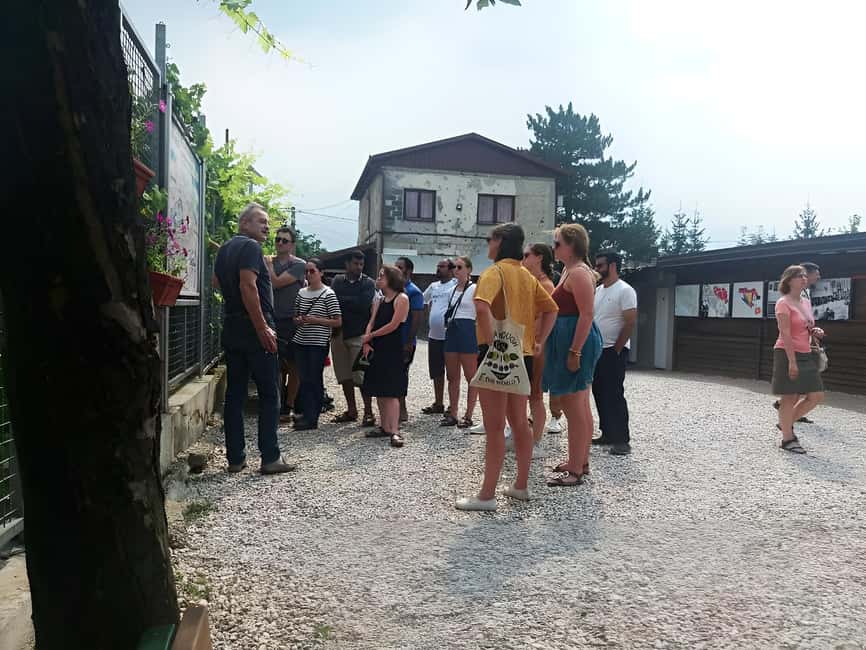
Four hours is enough time to cover the tunnel, Trebević, the bobsled track, and the cemetery without turning the day into a marathon. Pickup and transfers are included, so you do not need to work out separate transport to sites outside the central city.
The group is limited to eight participants. That is a useful size for a subject built around questions and conversation. A smaller group gives you a better chance to hear personal stories and ask about details that interest you, rather than waiting through a long line of identical questions.
The tour runs throughout the year and is offered in English. Starting times depend on availability. Pickup is free from the address you provide, and the vehicle returns you to your hotel at the end.
The tour is also listed as wheelchair accessible. Since the experience includes walking through the tunnel and visiting the bobsled track and mountain sites, it is sensible to confirm the practical arrangements for your particular mobility needs before booking.
There is no food or drink included. Four hours is short enough that this should not cause much trouble, but plan accordingly if you need a snack or a drink during the day.
Is $47 good value?
At $47 per person, this is a strong value if you want several siege-related sites in one half day. The price includes the English-speaking local expert guide and driver, all transfers, free pickup, government taxes, VAT, and the 10.50 EUR entrance fee to the War Tunnel Museum.
The real value is the transport and interpretation. You could visit some of these places independently, but you would need to arrange transport and assemble the historical connections yourself. Trebević and the cemetery are especially useful when presented as parts of one story.
The tour is shared unless you specifically book a private option. A small group of up to eight keeps the shared format manageable, but it does mean you will not control every pause or discussion. If you prefer a completely private conversation, check the booking option before paying.
The price does not include personal travel insurance, food, or drinks. Cancellation is free up to 24 hours before departure, and you can reserve now and pay later, which helps if your Sarajevo schedule is still changing.
Who should book this experience?
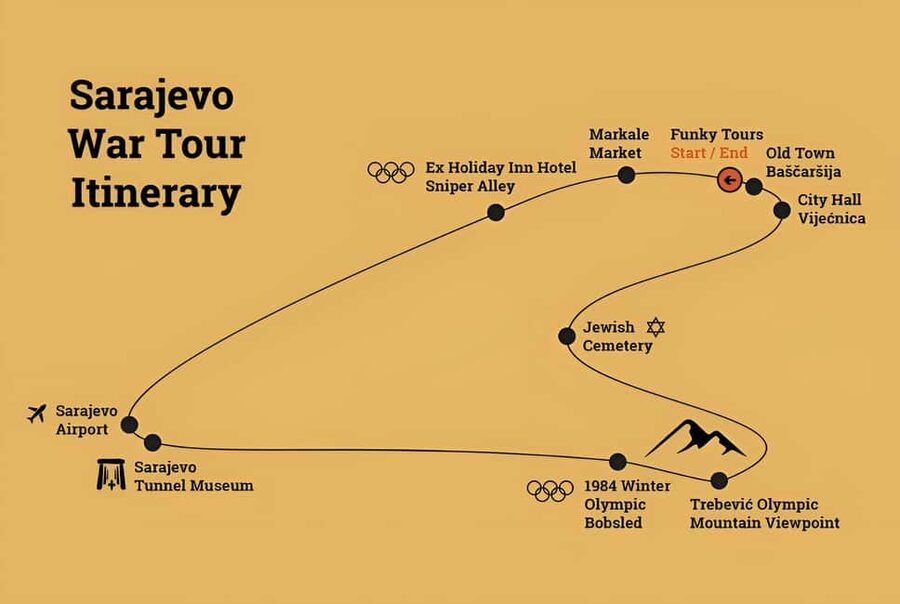
I would choose this tour if you want to understand Sarajevo’s recent past rather than simply collect scenic viewpoints. It suits visitors who value direct conversation, military and social history, and seeing real locations connected by one clear narrative.
It is also a good choice for a first visit. The tour gives you an early framework for understanding the city’s hills, roads, Olympic sites, and war museums. Afterward, you will likely notice Sarajevo’s geography differently as you walk around town.
The tour may not suit you if you want a cheerful half day, a food-focused outing, or a long mountain excursion. The subject is serious, and the guide may discuss personal experiences and painful events. Come ready to listen and ask thoughtful questions.
I would also avoid packing the same morning with several unrelated activities. The tour lasts four hours, but the subject deserves a little quiet time afterward.
Should you book the Sarajevo Siege Tour?
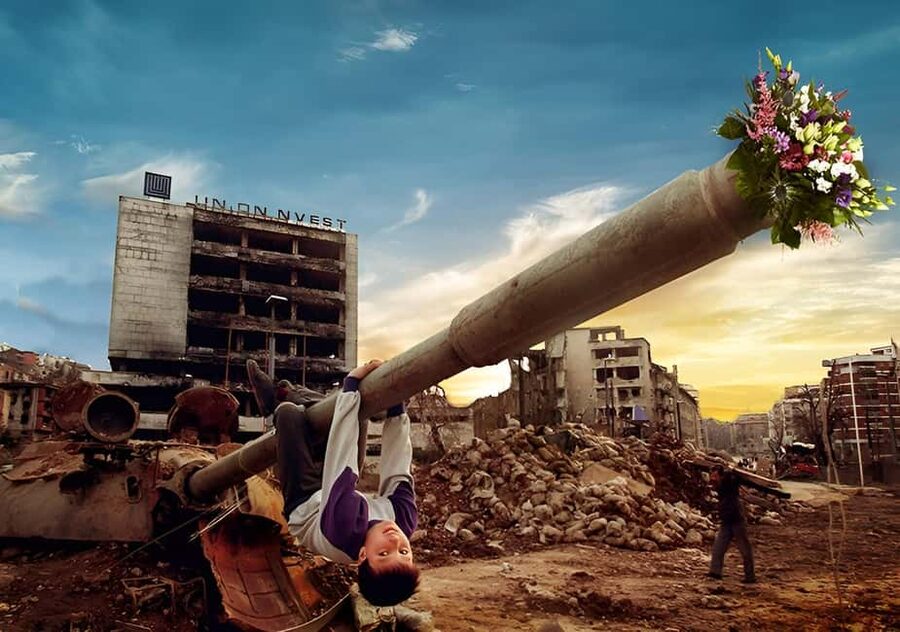
Book it if the siege of Sarajevo is an important reason for your visit, or if you want a clear introduction to Bosnia and Herzegovina’s recent history. The survivor guide is the key feature, and guides such as Adnan and Mustafa have shown how much personal storytelling can add to familiar sites.
The strongest reasons to go are the Tunnel of Hope, the Olympic bobsled track, and the connection between Sniper Alley and the Jewish Cemetery. Add the included transport and entrance fee, and $47 is a fair price for a focused four-hour experience.
Skip it only if you are looking for light entertainment or a relaxed sightseeing drive. For everyone else, this is a serious, direct, and unusually personal way to understand Sarajevo.
FAQ
How long does the Sarajevo Siege Tour last?
The tour lasts four hours, with pickup in Sarajevo and return to your hotel at the end.
What places does the tour visit?
The experience passes Hotel Holiday and Sniper Alley, then visits the War Tunnel Museum, the Olympic bobsled track on Trebević, Trebević mountain sites, and the Sarajevo Jewish Cemetery.
Is the guide a survivor of the Sarajevo Siege?
Yes. The tour is led by a local survivor of the siege who explains the war and answers questions about personal experiences and the locations visited.
Is the Tunnel of Hope entrance fee included?
Yes. The 10.50 EUR War Tunnel entrance fee is included, along with government taxes and VAT.
Is pickup included?
Yes. Free pickup is provided from the address you give when booking, and all tour transfers are included.
Is the tour offered in English?
Yes. The tour has a live English-speaking guide and is available throughout the year.
Can I cancel the tour and receive a refund?
You can cancel up to 24 hours in advance for a full refund. You can also reserve now and pay later.
Just added around Bosnia and Herzegovina
- Sarajevo Under Siege: A War History Tour★ 5.0 · 10 reviews
- WAR TUNNEL – Sarajevo’s only way of a communication during the WAR – Top secret★ 5.0 · 12 reviews
- Private Full Day Safari Tour★ 5.0 · 8 reviews
- Ultimate Gastro Experience★ 4.5 · 14 reviews
- Mysterious Visoko Pyramids Driving and Walking Tour★ 5.0 · 7 reviews
- Secret Tito’s Bunker/Konjic Tour★ 5.0 · 4 reviews
- The Secret Lifeline: Sarajevo’s War Tunnel Tour★ 5.0 · 6 reviews
- Crossroads of Cultures – Sarajevo Walking Tour★ 5.0 · 8 reviews
Sarajevo Siege Tours, compared.

Fall of Yugoslavia, Sarajevo War Tour with Tunnel of Hope Museum and Frontlines
Read our review →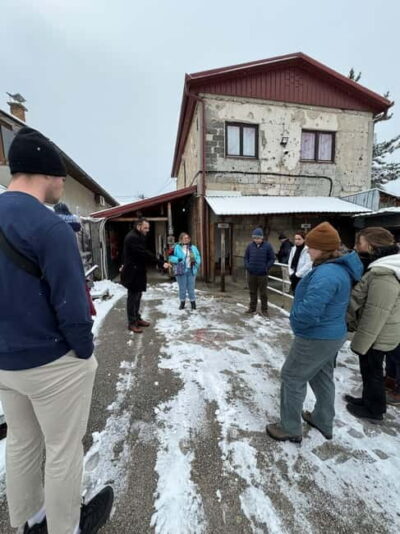
Bosnian War & Fall of Yugoslavia Tour with Tunnel
Read our review →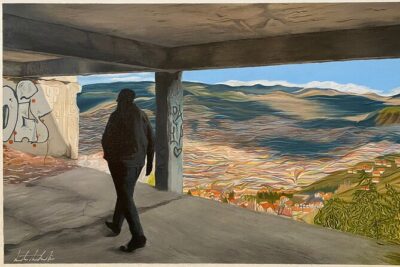
Sarajevo War Tour: A Veteran’s Story of the Siege (fees included)
Read our review →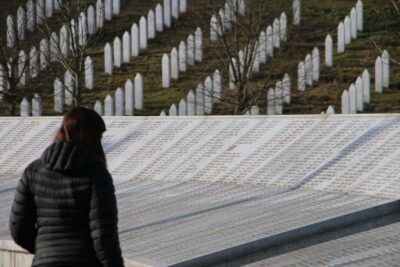
Srebrenica Genocide Study Tour with War Veteran
Read our review →
Break-up of Yugoslavia & The War in Mostar: Life Under Siege
Read our review →
Sarajevo to Srebrenica: Genocide Study Tour with War Veteran
Read our review →
Browse the lists this tour appears in