
Reviewed · SREBRENICA MEMORIAL TOURS
Sarajevo: Srebrenica Genocide Study Tour with War Veteran
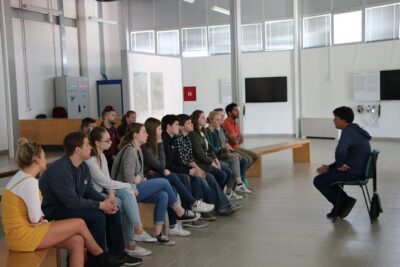
The most powerful part of this tour is the guide. Men such as Adis, Adnan, and Senad served during the Bosnian War, so the drive to Srebrenica becomes more than a history lesson. You hear about checkpoints, fighting, families, and daily life from people who lived through those years.
I like the careful pace at the Potočari Memorial Center, where you have time for the former UN battery factory, the museum, the memorial room, and the cemetery. I also like the small group, limited to eight people, which makes it easier to ask difficult questions. The drawback is clear: this is a long, emotionally heavy day, with about five hours on the road.
Key points before you book
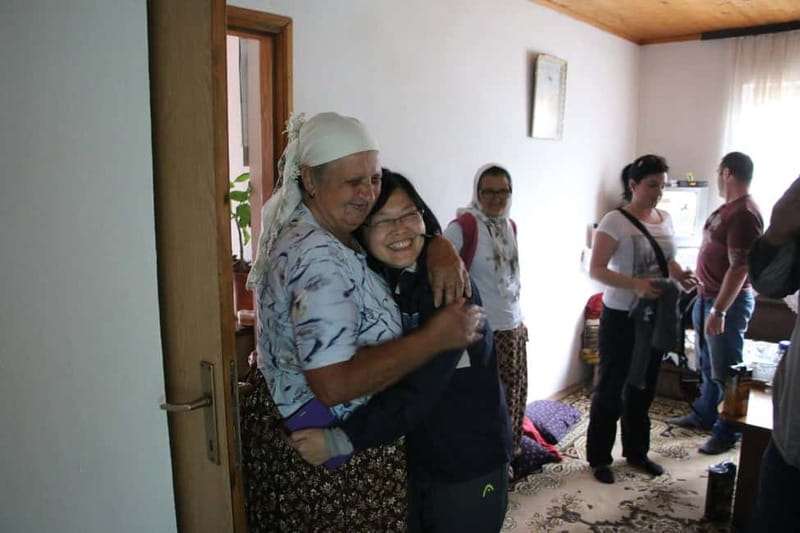
- A war veteran leads the journey: Your guide explains the wider Yugoslav Wars and shares personal memories from the conflict.
- The former UN base is now a museum: Potočari’s battery factory was once used by the Dutch UN battalion.
- The cemetery keeps growing: More than 6,575 identified victims are buried at the memorial complex, and the number rises as remains are found and identified.
- You visit Srebrenica itself: The tour goes beyond the memorial to the town, once an industrial center and now a quiet, largely deserted place.
- The day runs from 8 AM to about 6 PM: Transport, a Bosnian sausage sandwich, and hotel drop-off are included.
- The subject is handled with care: Local museum staff and guides present personal accounts, photographs, films, and other records without turning the visit into a spectacle.
Why a veteran guide changes the whole day
Srebrenica can be difficult to understand if you arrive with only a few facts in your head. The genocide took place during the Bosnian War, part of the wider collapse of Yugoslavia, and its causes and aftermath are tied to politics, identity, territory, and the failure of international protection.
Your guide provides that setting during the drive from Sarajevo. Rather than saving every explanation for the museum, the guide points out places connected with the war and explains what life was like for Bosnian families between 1992 and 1995. Guides including Adis, Adnan, Senad, Almir, and Hasan have been praised for answering questions clearly and speaking without prejudice.
That personal angle is valuable, but it also calls for sensitivity. You are not booking a light sightseeing outing. The guide may speak about his own military service, relatives, or experiences during the war. Some guides served in the Bosnian Army, while others have family connections to Srebrenica survivors.
I appreciate that the experience does not rely on personal stories alone. The guides also use facts, museum material, and historical explanation. That balance matters. You can listen to a human account while still seeing the broader evidence and timeline.
More sarajevo siege tours in Sarajevo:
- Fall of Yugoslavia, Sarajevo War Tour with Tunnel of Hope Museum and Frontlines
★ 5.0 · 1,314 reviews - Sarajevo: Tunnel Museum Yugoslavia War Tour with War Veteran
★ 5.0 · 1,111 reviews - Tunnel Museum: Bosnian & Yugoslav Wars Tour with War Veteran
★ 5.0 · 551 reviews
The road from Sarajevo to eastern Bosnia
The pickup is scheduled for 8 AM outside the Info Bosnia Tourist Information Center on Ferhadija, Sarajevo’s main pedestrian street, beside the Sarajevo Meeting of Cultures marker. If you stay outside the Old Town, hotel pickup can be arranged, and hotel drop-off is included at the end.
The drive to Srebrenica takes roughly two and a half hours, sometimes closer to three hours depending on stops and conditions. You travel through a mountainous area with broad views and long stretches of quiet road. Kravica and Bratunac are passed along the way rather than visited as separate stops.
This road time is not dead time. The guide uses it to explain Yugoslavia, the breakup of the country, the war in Bosnia, and the setting that led to Srebrenica. If you want to understand the memorial rather than simply walk through it, this preparation is one of the tour’s strongest features.
The vehicle is an air-conditioned car or minivan. The group is capped at eight, though some departures have been as small as one or two people. That can make the day feel close to private, but you should still expect a full-day drive rather than a short transfer.
A sandwich with traditional Bosnian sausage is provided. Vegetarian and vegan food can be requested in advance. Bring water and any extra food you may want, since the included sandwich is the only specified meal.
Entering the former UN battery factory at Potočari
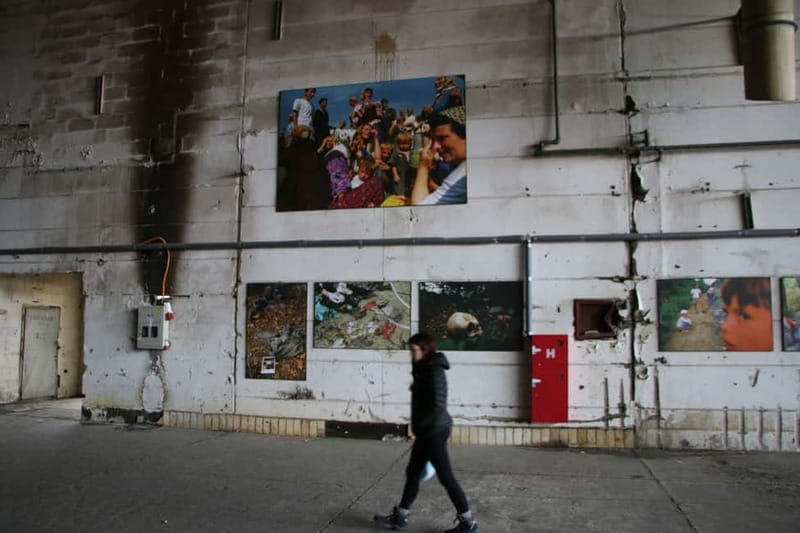
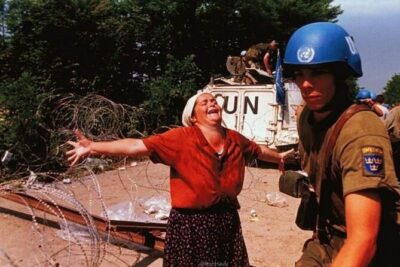
The first major stop is Potočari, just outside Srebrenica. The former battery factory served as the headquarters of the Dutch UN battalion during the war. It is now home to the Museum of Srebrenica Genocide.
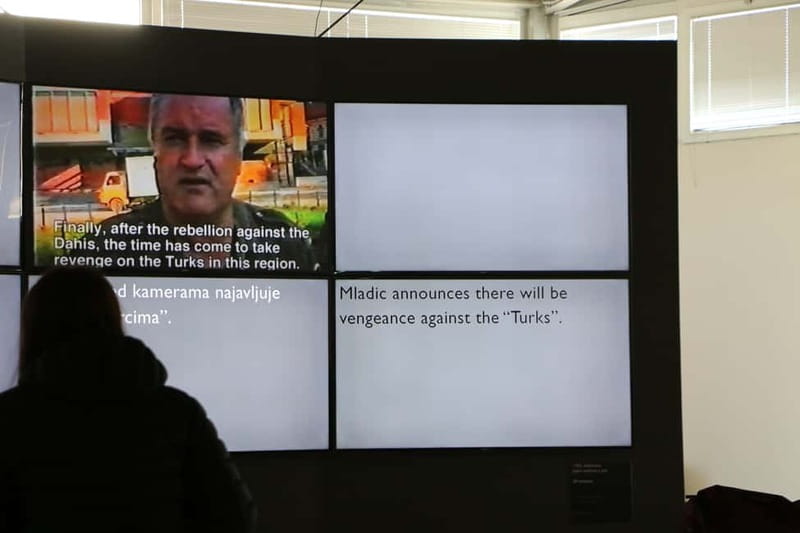
The building gives the visit a particular force. This was not an abstract military headquarters somewhere far away. It was a place connected with the international presence in the enclave and with the events that unfolded there. The museum uses photographs, films, documents, visual displays, and personal accounts to explain what happened.
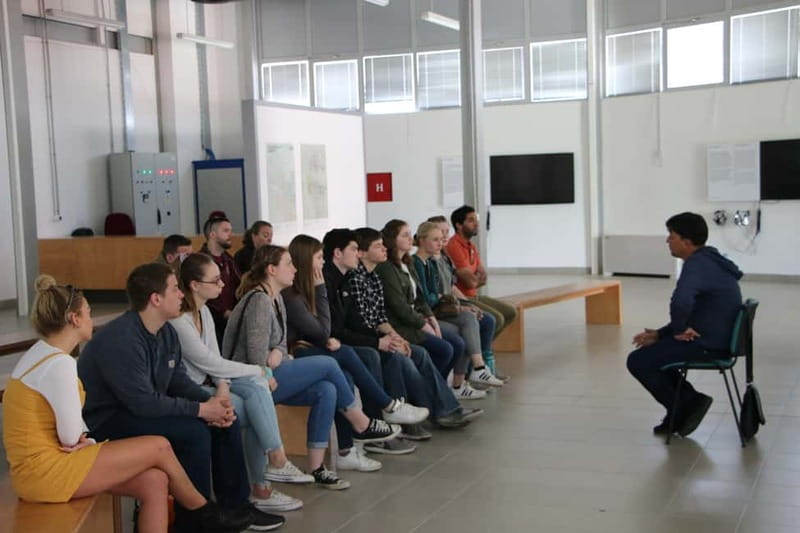
A local museum guide or curator may lead part of the visit. The available information includes first-hand accounts from people who survived the Srebrenica enclave, including a survivor who worked as a translator for the Dutch battalion. These accounts help put names, faces, and ordinary lives beside the larger political story.
You should allow yourself time here. One useful point from the tour experience is that the museum has several areas to explore, including a film of about 30 minutes and displays that are best viewed slowly. On some departures, the guide has allowed extra time when the group needed it, but the full day still has limits.
The museum is visually direct. It is not designed as a casual attraction, and some photographs and recorded testimony may be upsetting. If you prefer to process difficult material quietly, tell your guide. The small group format makes that easier than a large coach tour.
The memorial room and the voices of victims
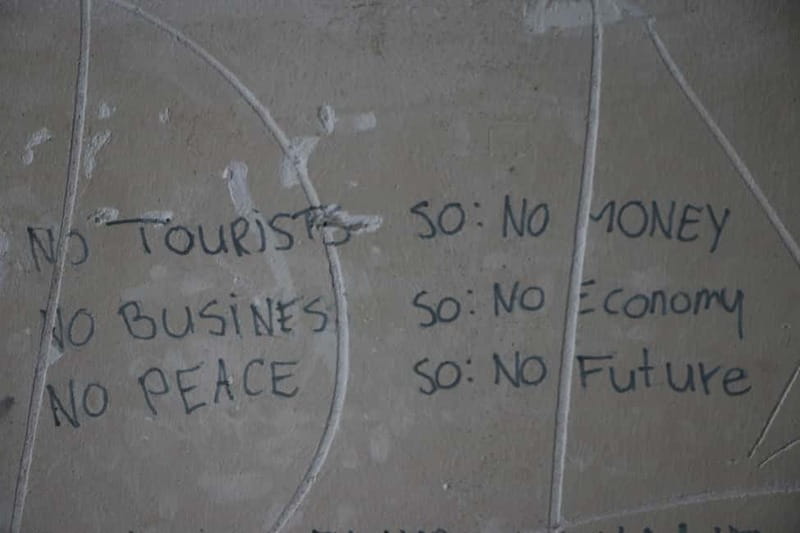
From the museum, you continue to the memorial room. Recorded testimony from a local journalist presents stories connected with the victims. A section also addresses those responsible for the massacre, giving the room a wider frame than a simple list of names.
This part of the visit is especially personal. The museum explains events and evidence, while the memorial room brings attention back to individual lives. You may find the audio material harder than the photographs because it asks you to listen to people describing what happened in their own words.
The right approach is to slow down. You do not need to fill every quiet moment with conversation or questions. The guide can explain the material, but the room also gives you space to reflect.
The tour is educational, but it is also a visit of remembrance. Many people come to pay respect as well as to learn. That distinction helps explain why the day feels different from a standard historical excursion.
More srebrenica memorial tours in Sarajevo:
- From Sarajevo: Srebrenica Genocide Memorial Study Tour
★ 5.0 · 359 reviews - From Sarajevo: Srebrenica Genocide Memorial Study Tour
★ 5.0 · 242 reviews - Sarajevo to Srebrenica: Genocide Study Tour with War Veteran
★ 5.0 · 131 reviews - Understanding Srebrenica Genocide Tour + Lunch with Local Family Included
★ 5.0 · 123 reviews
Walking through the Potočari cemetery
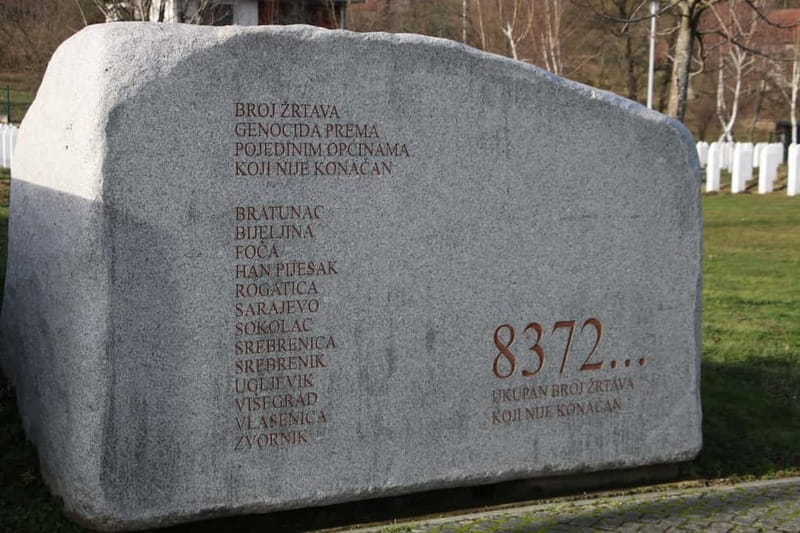
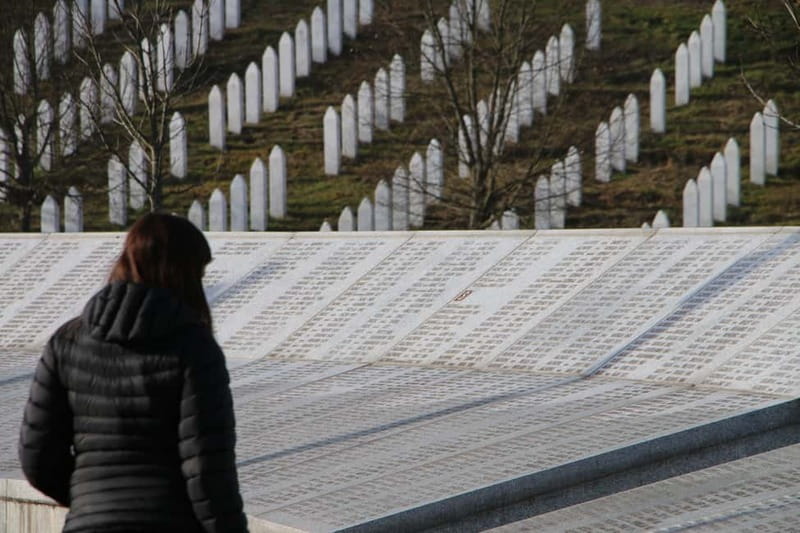
Across from the museum is the memorial cemetery, with rows of white gravestones set in a wide, open area. At the time of this tour information, 6,575 identified victims were buried there, and that number continues to increase as remains are recovered and identified.
The cemetery visit is guided, but you will also have time to walk and look on your own. The scale is difficult to take in from a photograph. Rows of markers create a physical sense of the number of people lost, while the repeated dates and names bring the story back to individual families.
This is one of the stops where quiet behavior matters. Dress comfortably and respectfully, and expect the tone of the visit to remain solemn. The tour is not built around dramatic staging. Its strength comes from the place itself, the graves, and the information already presented inside the memorial complex.
The cemetery can also be affected by weather. Rain was a problem on at least one departure, so bring a coat or umbrella when conditions look uncertain. You will be outside, and the site is not a quick photo stop.
Seeing Srebrenica beyond the memorial
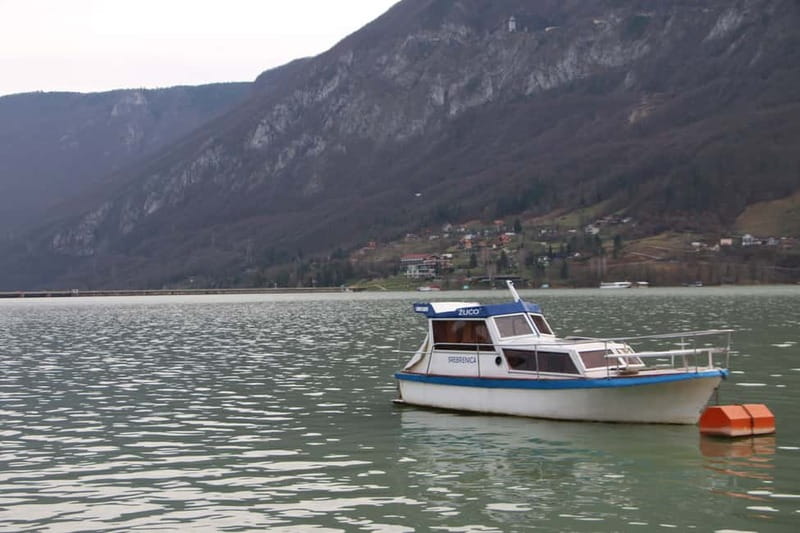
After Potočari, the tour continues into Srebrenica. This matters because the town is not only a site of mourning. It was once an industrial leader in the area and is also one of the region’s oldest settlements.
Today, Srebrenica is described as a ghost town, and the contrast is striking. The town visit helps you consider the aftermath: what happens to a place after war, displacement, mass killing, and years of economic decline? The guide points out locations around Srebrenica and may take you to a viewpoint above the town.
This part is less structured than the memorial center. You may have a photo stop, a guided look around town, and lunch. There are few nearby restaurants, so the town is the practical place to eat during the day.
I like this addition because it keeps the tour from ending at the cemetery. You see a living community, but also one shaped by absence and difficult coexistence. The tour information specifically presents Srebrenica as a place where people continue to live alongside the consequences of the war.
Do not expect a long list of conventional sights. The value here is context. The guide helps you notice what is missing, what has changed, and how the town fits into the region’s present life.
Coexistence and the difficult present
One of the tour’s most useful themes is ongoing coexistence in and around Srebrenica. The visit is not limited to the events of one week in 1995. It also considers what life looks like after the genocide and how people continue to share the same area.
That subject can be politically charged. The guides are praised for presenting information with care and without prejudice, but you should still arrive ready to listen rather than demand a simple answer to a complicated issue.
The experience is strongest when you allow room for both facts and uncertainty. The museum presents records, visual material, testimony, and explanations. The guide adds memories from wartime Sarajevo and the surrounding region. Together, these elements help you see why the aftermath cannot be reduced to a single conversation.
For me, this is one reason to choose a local guide instead of visiting independently. You can read about Srebrenica before your trip, but it is harder to connect the road, the buildings, the cemetery, and the town without someone explaining how they relate.
How the timing and group size affect the experience

The schedule is straightforward: pickup at 8 AM, travel to Potočari, several hours at the memorial sites and Srebrenica, then a return to Sarajevo around 6 PM. Anniversary dates and heavy traffic can make the day longer, so keep your evening plans flexible.
The drive is the main cost in time. If you dislike long car journeys, this may feel demanding. The reward is that you can visit Srebrenica without arranging separate transport, finding the memorial center, or trying to understand the area on your own.
A group of up to eight is a sensible limit for this subject. You can hear the guide, ask questions, and move through the museum without the feel of a large bus tour. Some departures are effectively private when only one or two people book, and the tour has operated even when just one participant was scheduled.
The small vehicle also lets the guide make practical stops, including toilet breaks and coffee stops when appropriate. These details matter on a ten-hour outing. Still, this is not a flexible private itinerary by default, so museum time and departure times may be shared with the rest of the group.
Is the $80 price good value?
At $80 per person, the tour includes transport from Sarajevo, a war veteran guide, the museum and memorial visit, a sandwich, and hotel drop-off. You are paying mainly for the guide and the convenience of covering a remote destination in one day.
I consider that fair value for most visitors. Srebrenica is around two and a half hours from Sarajevo, and driving there yourself would not give you the same historical explanation or local context. The guide turns a difficult journey into part of the experience.
The price does not include additional food and drinks beyond the specified sandwich. Vegetarian and vegan sandwiches are available by request, but dietary needs should be given to the company before departure.
The main question is not simply cost. It is how much you value interpretation. If you want only a quick look at the cemetery, a cheaper transport option might be enough. If you want a clear explanation of the Yugoslav Wars, the Srebrenica genocide, and the area’s present-day reality, the veteran-led format earns its price.
Free cancellation is available up to 24 hours before departure, and you can reserve without paying immediately. Those policies are useful if your Sarajevo schedule is still shifting.
Who should take this tour?
I would choose this tour if you are interested in modern European history, human rights, the breakup of Yugoslavia, or the lived experience of war. It also suits visitors who want to understand Bosnia beyond Sarajevo’s Ottoman, Austro-Hungarian, and food traditions.
You do not need specialist background knowledge. The guide builds the story during the drive, and the museum supplies visual and recorded material. You do need emotional readiness. This is a memorial visit, not entertainment, and the subject matter is severe.
Families should think carefully about the age and sensitivity of children before booking. The supplied information does not set an age limit, but the photographs, testimony, cemetery, and subject of genocide are plainly serious.
I would also recommend comfortable clothing and weather protection. The day includes time outside at the cemetery and around the memorial complex. Keep your evening free, especially if you are visiting near an anniversary or during poor weather.
Should you book the Srebrenica study tour?
Book it if you want a serious, well-explained visit led by someone with personal experience of the Bosnian War. The veteran guides, including Adis, Adnan, Senad, and others, are the heart of the experience, while the Potočari museum and cemetery provide the evidence and place.
Skip it only if you have very little patience for a long drive or are looking for a light day out from Sarajevo. The subject is painful, the schedule is full, and the visit may stay with you long after you return.
For the right visitor, this is one of the most meaningful day trips available from Sarajevo. It asks you to pay attention, remember the victims, and make sense of a part of Europe’s recent past that should not be forgotten.
FAQ
Where does the tour start?
The standard meeting point is in front of the Info Bosnia Tourist Information Center on Ferhadija Street in Sarajevo, beside Sarajevo Meeting of Cultures.
Can I request hotel pickup?
Yes. Hotel pickup can be arranged for guests staying outside Sarajevo’s Old Town, and hotel drop-off is included at the end of the tour.
How long is the tour?
The tour lasts about 10 hours. It begins at 8 AM and normally returns to Sarajevo around 6 PM.
How long does it take to reach Srebrenica?
The drive from Sarajevo to Srebrenica takes around two and a half hours, with the full journey sometimes taking closer to three hours depending on stops and road conditions.
What will I visit at Potočari?
You will visit the former UN battery factory, now the Museum of Srebrenica Genocide, the memorial room, and the Potočari Memorial cemetery.
Is food included?
A sandwich with traditional Bosnian sausage is included. Vegetarian and vegan food can be requested in advance. Other food and drinks are not included unless specified.
How many people are in the group?
The tour is limited to eight participants. Some departures may have only one or two participants, depending on bookings.
Just added around Sarajevo
- Sarajevo Under Siege: A War History Tour★ 5.0 · 10 reviews
- Private Full Day Safari Tour★ 5.0 · 8 reviews
- WAR TUNNEL – Sarajevo’s only way of a communication during the WAR – Top secret★ 5.0 · 12 reviews
- Ultimate Gastro Experience★ 4.5 · 14 reviews
- Mysterious Visoko Pyramids Driving and Walking Tour★ 5.0 · 7 reviews
- Secret Tito’s Bunker/Konjic Tour★ 5.0 · 4 reviews
- The Secret Lifeline: Sarajevo’s War Tunnel Tour★ 5.0 · 6 reviews
- Crossroads of Cultures – Sarajevo Walking Tour★ 5.0 · 8 reviews
Srebrenica Memorial Tours, compared.
Sarajevo to Srebrenica: Genocide Study Tour with War Veteran
Read our review →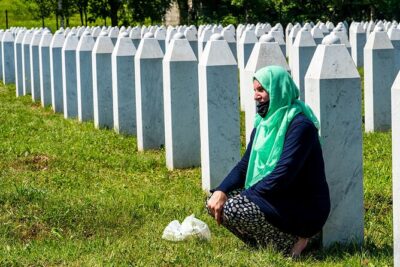
Understanding Srebrenica Genocide Tour + Lunch with Local Family Included
Read our review →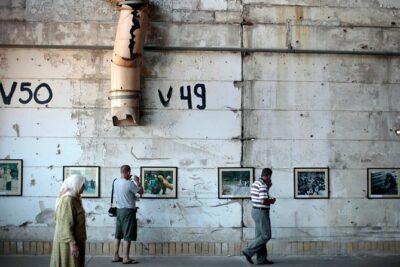
Understanding Srebrenica Genocide – Day tour from Sarajevo
Read our review →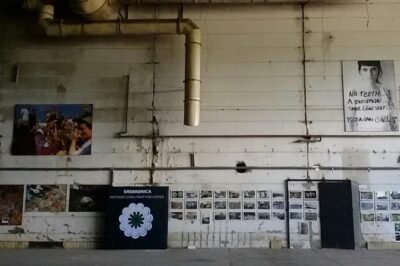
Understanding Srebrenica Genocide + Lunch With Local Family – Private Tour
Read our review →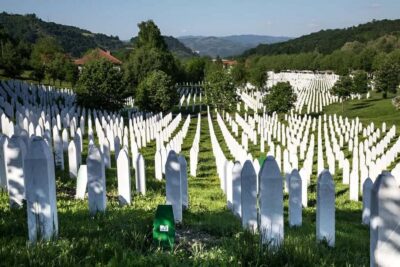
Understanding Srebrenica Genocide + Lunch with Local Family
Read our review →
Srebrenica Genocide Memorial and Testimonial Tour
Read our review →Browse the lists this tour appears in