
Reviewed · SARAJEVO SIEGE TOURS
Inside the Siege: Sarajevo’s Story of Survival
Sarajevo’s siege becomes far more understandable when you see the city from the hills, trace the routes once exposed to sniper fire, and walk through the narrow Tunnel of Hope. This tour connects major sites with the human stories behind them, using a local guide’s perspective rather than treating the war as a list of dates.
I like the small maximum group of 16, which gives you room to ask questions, and I like the mix of viewpoints: a hilltop panorama, an Olympic stadium, memorials, political sites, and the tunnel that kept Sarajevo supplied. The main consideration is the vehicle. With a full group, space may feel tight, and the €10 tunnel entrance fee is paid separately.
Key points at a glance
- See Sarajevo from the Yellow Fortress: Look across the city toward the hills and front lines that shaped the siege.
- Enter the Tunnel of Hope Museum: Spend about 50 minutes learning how Sarajevo’s secret lifeline helped keep the city alive.
- Visit Sniper Alley and the Presidency: Connect familiar city streets with the danger and politics of wartime Sarajevo.
- Remember the children killed in the siege: A stop honoring 1,601 children gives the tour a direct and deeply human focus.
- Ride with a local guide: Adis Hamzic and his guiding team explain events through local experience, personal stories, and historical context.
- Expect a compact afternoon tour: The experience begins at 1 p.m., lasts roughly two to three hours, and returns to its starting point.
Why Sarajevo’s siege is best understood on the ground
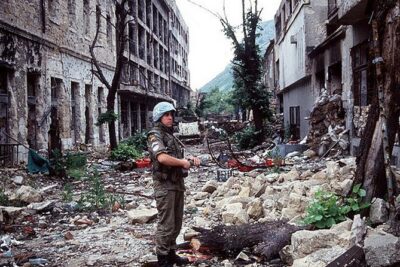
The Bosnian War can be difficult to grasp from a map or a museum display. Sarajevo was not simply a city caught in a short conflict. During the siege, its residents faced years of shelling, sniper fire, shortages, and isolation while trying to keep ordinary life going.
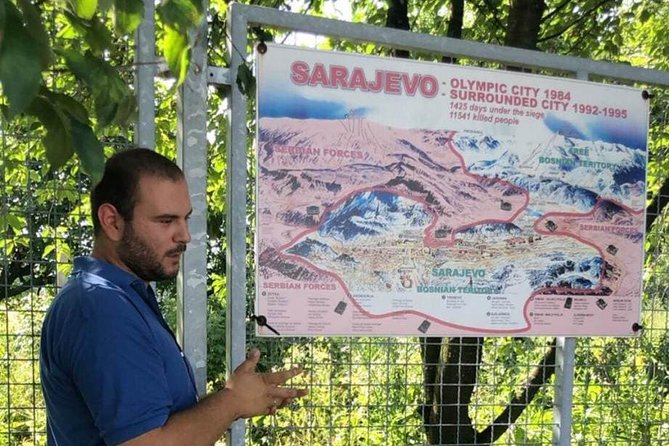
This tour helps you connect those facts to physical places. From the Yellow Fortress, you can see why Sarajevo’s surrounding hills mattered so much. At Sniper Alley, the name itself tells you how a normal urban road became a place of fear. At the Tunnel of Hope, the story shifts from military geography to daily survival.
I find that this approach works especially well if you have already walked around Sarajevo’s old town and want to understand the wider city. You are not only looking at monuments. You are following the routes, buildings, and high ground that shaped what people could do during the war.
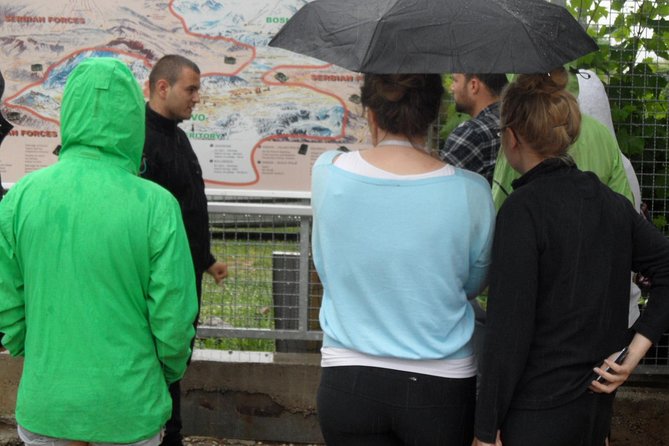
The guides also bring a personal angle. Adis Hamzic leads the tour company, and the guiding team includes young local guides who can explain the war from a perspective shaped by Sarajevo today. You can ask questions as you go, and the format leaves more space for conversation than a large coach tour.
More sarajevo siege tours in Sarajevo:
- Fall of Yugoslavia, Sarajevo War Tour with Tunnel of Hope Museum and Frontlines
★ 5.0 · 1,314 reviews - Sarajevo: Tunnel Museum Yugoslavia War Tour with War Veteran
★ 5.0 · 1,111 reviews - Tunnel Museum: Bosnian & Yugoslav Wars Tour with War Veteran
★ 5.0 · 551 reviews
Starting at Mula Mustafe Bašeskije 65
The meeting point is at Mula Mustafe Bašeskije 65 in central Sarajevo. The tour starts at 1 p.m. and ends back at the same meeting point, which makes it easy to plan around a morning walk, lunch, or an evening meal in the old town.
You travel in an air-conditioned vehicle rather than walking between every site. That matters in Sarajevo, where several important wartime locations are spread across different parts of the city and hillside areas. A vehicle lets you cover more ground in a short afternoon.
The listed maximum is 16 people, though groups can be smaller. A four-person group, for example, fits the style of this experience well, since you can ask questions without having to speak over a crowd. If the vehicle fills, the ride may feel snug. That is the tradeoff for seeing a broad selection of sites within two or three hours.
The tour is offered in English. Confirmation is provided when you book, and most people can participate. Service animals are allowed, and the meeting point is near public transportation.
Yellow Fortress and the view over the front lines
The first major stop is the Yellow Fortress, where you spend about 15 minutes looking over Sarajevo. The view is not just scenic. It helps explain the city’s shape and the military position of the hills around it.
Your guide can point out the broad direction of the wartime front lines and help you understand how the valley and slopes affected daily life. Sarajevo’s compact center can look peaceful from above, which makes the explanation especially useful. You begin to see how exposed parts of the city were.
The stop also includes places connected with people who fought to protect Sarajevo and sites associated with tragic civilian massacres during the siege. These are brief stops, but they add weight to the panorama. You are not looking at an abstract view. You are looking at the setting of events that affected homes, streets, cemeteries, and families.
Fifteen minutes is enough for orientation and photographs, but not for a long visit. If you like extended time at memorials, you may wish the schedule allowed more. The advantage is that the tour keeps moving and gives you a wider picture of Sarajevo.
The Olympic stadium and the scars of war
The Asim Ferhatovic Hase Stadium hosted the 1984 Winter Olympics, an event that placed Sarajevo on the international stage for a very different reason. Seeing the stadium in a tour about the siege creates a sharp contrast between the city as a global sporting host and the city during wartime.
Parts of the stadium area were later used as a cemetery during the war. That change in function is one of the most striking details of the route. It shows how quickly public spaces can be forced into roles no one imagined for them.
The stop lasts about 10 minutes. You should not expect a long stadium visit or a sports history presentation. The value comes from the connection between the Olympic city and the besieged city, explained in place rather than in a distant museum room.
The route also pauses at a memorial honoring the 1,601 children killed during the siege. This is one of the most direct moments of remembrance on the tour. The number is difficult to absorb, but the memorial gives the loss a clear focus.
I appreciate that the tour does not treat children as a side note in the war story. Their memorial reminds you that Sarajevo’s suffering was not limited to soldiers or political leaders. Families, schoolchildren, and civilians carried the cost of the siege every day.
Same country, a completely different kind of day:
- Sarajevo: Mostar, Konjic, Blagaj Tekke, Pocitelj & Waterfall
★ 4.9 · 1,666 reviews - Sarajevo: Grand Walking Tour Through Time and Cultures
★ 4.8 · 1,236 reviews - Sarajevo: Mostar, Konjic, Sufi House, Pocitelj & Kravice Falls
★ 5.0 · 1,179 reviews - ROSES OF SARAJEVO (Official WAR + CITY tour)- Story of a Survivor
★ 5.0 · 770 reviews
Sniper Alley and Sarajevo’s political center
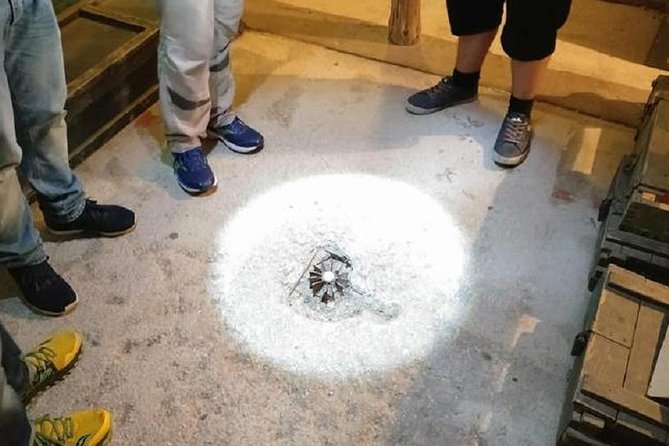
Sniper Alley was one of the most dangerous streets in wartime Sarajevo. Today, it is part of the city’s working urban fabric, which can make it hard to picture the threat without a guide explaining what happened there.
This is where local commentary matters. A well-timed explanation can help you understand how people moved through the street, why certain routes were dangerous, and how ordinary errands became calculated risks. The stop is not about dramatic staging. It is about seeing a familiar road with the wartime context restored.
The Presidency Building adds a political layer. It was an important center during the war and remains one of Sarajevo’s key historical buildings. Here, the tour links the street-level experience of civilians with the decisions and institutions at the heart of the conflict.
These stops are valuable because they prevent the tour from becoming only a collection of memorials. You see where people lived and moved, then connect those places with the political crisis that shaped the siege.
The Tunnel of Hope, Sarajevo’s secret lifeline
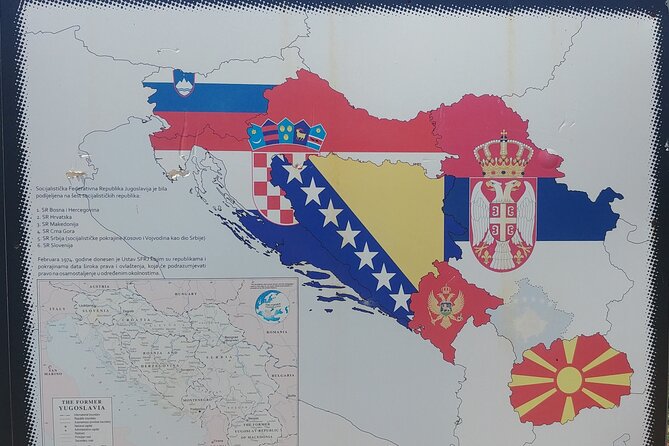
The Tunnel of Hope Museum is the centerpiece of the tour. You spend about 50 minutes at the site, and that is a useful amount of time for understanding both its construction and its purpose.
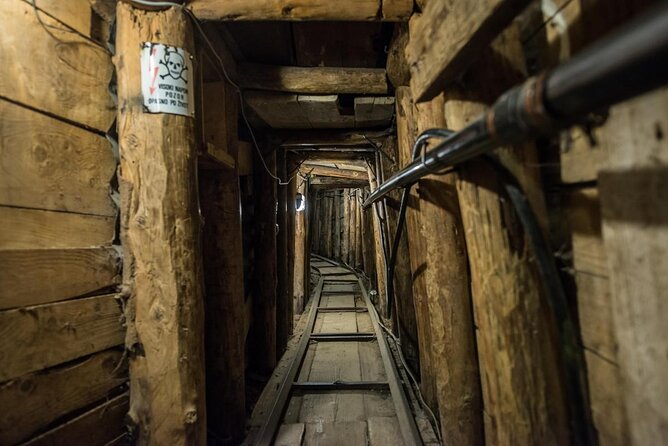
The tunnel served as a secret route for supplies and survival during the siege. With Sarajevo cut off, this narrow passage became a lifeline. It helped move essential goods and allowed the city to maintain a connection with the outside world.
The museum entrance is not included in the tour price. Budget €10 per person, paid separately on-site in local currency. This is the only major extra cost listed, so carry enough convertible marks rather than relying on a card.
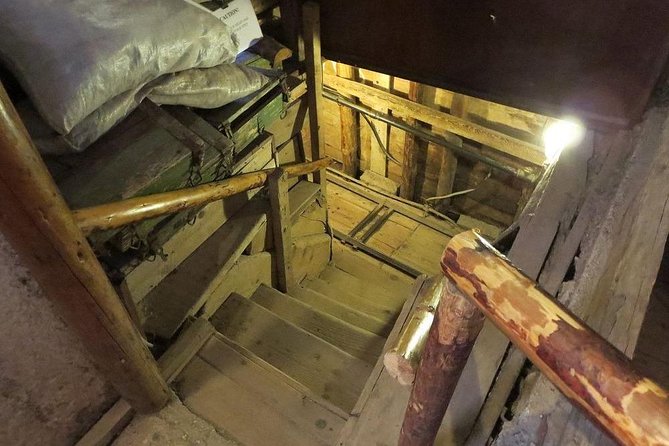
The tunnel itself is not a grand attraction. Its power comes from its cramped, practical nature. You are seeing a piece of infrastructure created under extreme pressure, not a polished monument built after the fact. The visit helps explain why the tunnel mattered and what survival required.
I would not rush this stop. Listen to the guide, ask questions, and pay attention to the practical details. The tunnel becomes much more meaningful when you understand how it fitted into the wider siege.
The return drive and the final Sarajevo view
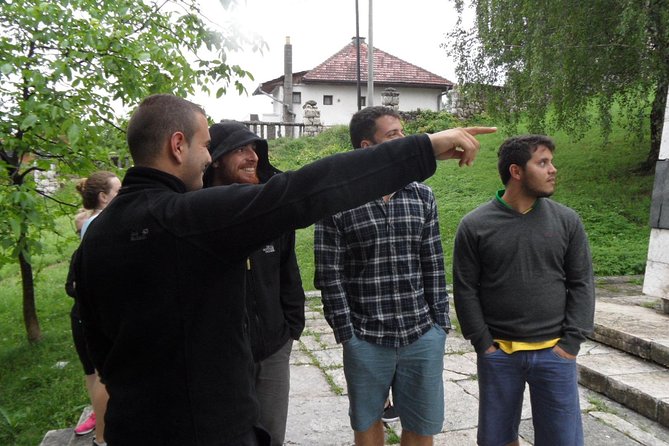
After the tunnel, the vehicle returns by a scenic route with a final panoramic view of Sarajevo. This gives you a chance to process the afternoon before arriving back at the central meeting point.
The return view also reinforces one of the tour’s strongest ideas: Sarajevo’s beauty and its wartime experience exist side by side. Hills, rooftops, religious buildings, streets, and memorials all occupy the same city. The scenery is attractive, but the guide’s context keeps it from becoming a simple sightseeing drive.
The schedule is fairly full. You may spend only 10 to 15 minutes at some stops, while the tunnel receives the longest visit. That is sensible for a short tour, but it means this experience is an introduction rather than a complete study of the siege.
If you want a slower pace at every cemetery, memorial, or historic building, choose a longer private tour or add separate visits afterward. If you want a strong first framework for Sarajevo’s wartime story, the compact route works well.
The guide’s style and the value of local perspective
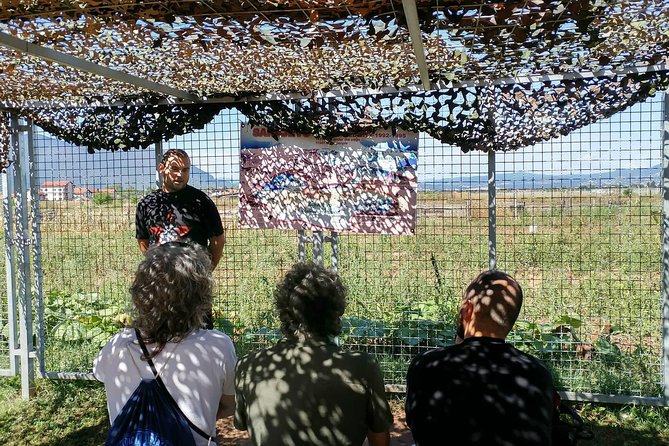
The guide is the heart of this experience. Adis Hamzic is associated with the tour company, and his team is praised for clear English, humor used with care, and an ability to answer questions. One assistant guide brings a younger person’s view to the subject, which can help connect the war to Sarajevo’s present generation.
That personal approach is important here. The siege is not an old medieval tale. It is part of living memory, and local guides can explain how the city remembers it, how the sites fit together, and why certain places still matter.
The best part of the format is the conversation. You can ask about the end of the Tito era, the breakup of Yugoslavia, the Bosnian War, or Sarajevo today. The tour is designed around historical explanation, but the guide can also offer practical suggestions for places to visit around the old town.
The tone is serious without being stiff. Humor may appear in conversation, but the memorials and civilian losses are treated with respect. That balance matters. A guide who only recites grim facts can make the experience hard to follow, while a guide who tries too hard to entertain can miss the subject’s weight.
Is $54.22 a fair price?
At $54.22 per person, the tour is not the cheapest way to see Sarajevo. You can walk through the center on your own for little or no cost. But the price includes an air-conditioned vehicle, a professional local guide, and transport between sites that are not as convenient to connect independently in one short afternoon.
The tunnel museum fee is extra, adding €10 per person. Tips are optional but appreciated. Taken together, you should think of the total as the tour price plus the museum entrance and any tip you choose to leave.
The value is strongest if you want interpretation. The Yellow Fortress, Sniper Alley, the stadium, and the Presidency Building may not explain themselves clearly. A guide turns separate locations into one connected story.
A smaller group can also justify the price. You have a better chance to ask questions and hear personal context than on a large bus. The weak point is comfort if the vehicle is full. For some people, the efficient route will matter more than having extra space.
The tour is booked about 33 days ahead on average, so it is wise to reserve early if your Sarajevo dates are fixed. Free cancellation is available up to 24 hours before the start time. If the minimum number is not reached and the operator cancels, you are offered another date or experience, or a full refund.
Who should book this Sarajevo tour?
I would choose this experience if you have two or three days in Sarajevo and want a clear introduction to the siege. It suits first-time visitors, history-minded travelers, and anyone who wants to see more than the central old town.
It is also a good fit if you prefer stories and questions to a silent sightseeing ride. The guides speak English and explain the subject with local context, so you can explore the parts of the history that matter most to you.
Families with older children may find the route useful, though the subject is serious. The memorial to the children killed during the siege and the civilian massacre sites require a respectful approach.
You might skip it if you have already spent several days visiting Sarajevo’s war museums and memorials with a private guide. You might also prefer a walking tour if vehicle time bothers you, or if you want to stay longer at each site.
Should you book Inside the Siege?
Yes, if you want to understand Sarajevo through the places where its wartime story unfolded. The strongest reasons are the local guide, the broad route, the small-group format, and the 50-minute visit to the Tunnel of Hope.
Keep your expectations practical. This is a compact overview, not a full-day research tour. Some stops are short, a full vehicle may feel tight, and the €10 tunnel fee is separate.
For most first visits, I would book it early in your stay. The tour gives you a useful map of Sarajevo’s siege sites, and the guide’s suggestions can help shape the rest of your time in the city.
FAQ
Where does the tour start?
The tour starts at Mula Mustafe Bašeskije 65, Sarajevo 71000, Bosnia and Herzegovina.
What time does the tour begin?
The scheduled start time is 1 p.m.
How long does the experience last?
The tour lasts approximately two to three hours.
What language is the tour offered in?
The experience is offered in English.
What is the maximum group size?
The tour allows a maximum of 16 travelers.
Is the Tunnel of Hope entrance included?
No. The Tunnel of Hope Museum entrance costs €10 per person and is paid separately on-site in local currency.
What sites does the tour visit?
The route includes the Yellow Fortress, Asim Ferhatovic Hase Stadium, the memorial honoring children killed during the siege, Sniper Alley, the Presidency Building, the Tunnel of Hope Museum, and a panoramic return drive.
Does the tour return to the starting point?
Yes. The activity ends back at the meeting point.
Can I cancel for a full refund?
Yes, if you cancel at least 24 hours before the experience start time. Cancellations or changes made less than 24 hours in advance are not refunded or accepted.
Just added around Sarajevo
- Sarajevo Under Siege: A War History Tour★ 5.0 · 10 reviews
- WAR TUNNEL – Sarajevo’s only way of a communication during the WAR – Top secret★ 5.0 · 12 reviews
- Private Full Day Safari Tour★ 5.0 · 8 reviews
- Ultimate Gastro Experience★ 4.5 · 14 reviews
- Mysterious Visoko Pyramids Driving and Walking Tour★ 5.0 · 7 reviews
- Secret Tito’s Bunker/Konjic Tour★ 5.0 · 4 reviews
- The Secret Lifeline: Sarajevo’s War Tunnel Tour★ 5.0 · 6 reviews
- Crossroads of Cultures – Sarajevo Walking Tour★ 5.0 · 8 reviews
Sarajevo Siege Tours, compared.

Fall of Yugoslavia, Sarajevo War Tour with Tunnel of Hope Museum and Frontlines
Read our review →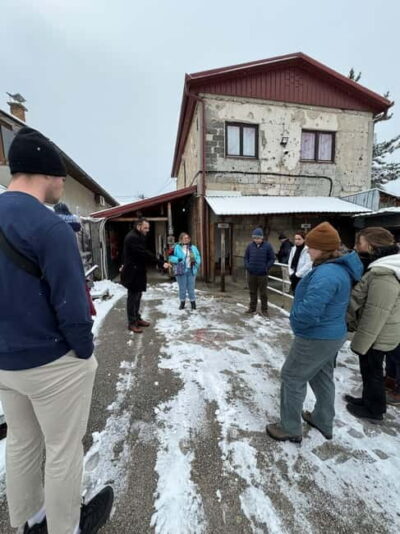
Bosnian War & Fall of Yugoslavia Tour with Tunnel
Read our review →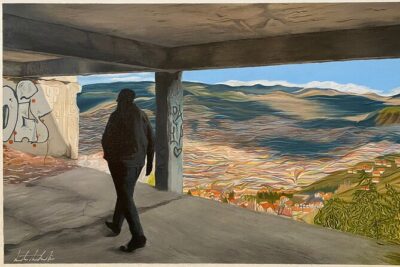
Sarajevo War Tour: A Veteran’s Story of the Siege (fees included)
Read our review →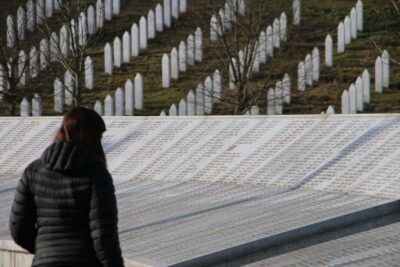
Srebrenica Genocide Study Tour with War Veteran
Read our review →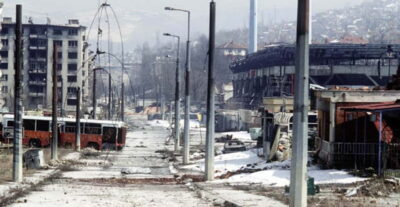
Break-up of Yugoslavia & The War in Mostar: Life Under Siege
Read our review →
Sarajevo to Srebrenica: Genocide Study Tour with War Veteran
Read our review →
Browse the lists this tour appears in