
Reviewed · SARAJEVO SIEGE TOURS
Sarajevo 1425 days under the siege – War Tour
Sarajevo’s Tunnel of Hope is the heart of this tour, a narrow wartime passage that kept the besieged city connected to the outside world. You’ll also see Sniper Alley, Trebević’s former front lines, an abandoned Olympic bobsleigh track, and the Jewish Cemetery, where the war reached the city’s slopes.
I like the way the tour links physical places to civilian stories, and I like the chance to hear from guides who lived through the conflict as children. Emina Koso and Enes have both received special praise for making the subject personal, clear, and human.
The main drawback is emotional rather than practical: this is a serious tour about death, hunger, fear, and survival. Also, the €10 Tunnel of Hope admission is not included, and you should confirm whether your booking is private or shared before setting out.
Key points to know before booking
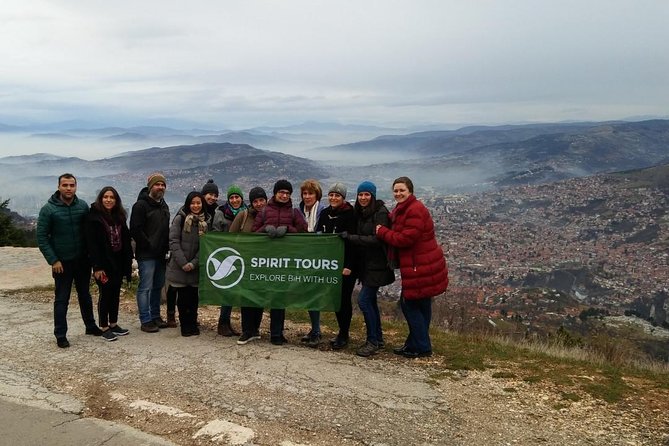
- The Tunnel of Hope is the tour’s central stop: Expect a 17-minute film, a siege map, museum displays, and a 25-meter section of the original tunnel.
- You get more than a museum visit: The route includes Sniper Alley, a memorial to murdered children, Trebević, the Olympic bobsleigh track, and the Jewish Cemetery.
- Personal guides can change the experience: Guides such as Emina Koso and Enes have shared childhood memories of the war, adding a human voice to the facts.
- Hotel pickup and drop-off are included: You can meet at Ferhadija 19, near the Cathedral of Jesus’ Sacred Heart, or request free pickup from your Sarajevo hotel.
- The price is reasonable but not all-inclusive: The tour costs $48.39 per person, with a separate €10 entrance fee for the Tunnel of Hope Museum.
- Allow 3 to 4 hours and dress for stops outdoors: Trebević and the bobsleigh track involve time outside, with some walking on the track.
Why Sarajevo’s siege is best understood outside the old town
Sarajevo’s old center is compact and easy to explore on foot, but the siege becomes clearer when you leave the central streets. This tour takes you toward the airport, the surrounding hills, and former military positions where geography mattered every day.
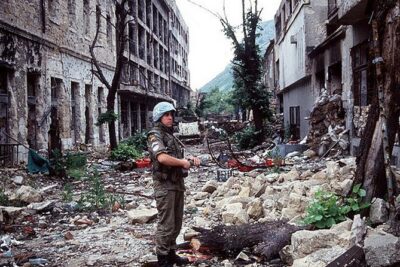
The siege lasted 1,425 days, making it one of the longest sieges in modern warfare. From 1992 to 1996, Sarajevo’s residents faced shelling, sniper fire, shortages, and the constant problem of moving through a city ringed by hostile forces.
A guide can point out how the hills around Sarajevo shaped the conflict. The same slopes that offer fine views today once gave armed forces commanding positions over roads, neighborhoods, and public buildings.
That shift in scenery is one of the tour’s strengths. You are not simply looking at photographs in a museum. You are moving through the places where civilians tried to work, shop, reach relatives, and find basic supplies under dangerous conditions.
The subject needs a steady tone. This is not a light sightseeing outing, and the strongest guides keep the focus on people rather than turning the war into a collection of dramatic images. Personal accounts from guides who were children during the siege can make the experience especially direct.
More sarajevo siege tours in Sarajevo:
- Fall of Yugoslavia, Sarajevo War Tour with Tunnel of Hope Museum and Frontlines
★ 5.0 · 1,314 reviews - Sarajevo: Tunnel Museum Yugoslavia War Tour with War Veteran
★ 5.0 · 1,111 reviews - Tunnel Museum: Bosnian & Yugoslav Wars Tour with War Veteran
★ 5.0 · 551 reviews
Entering the Tunnel of Hope near the airport
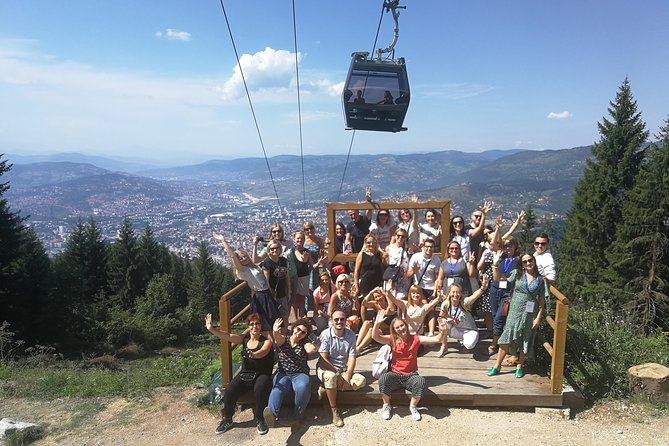
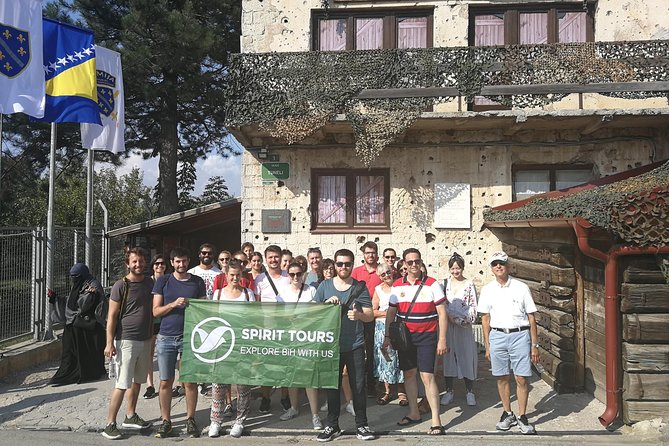
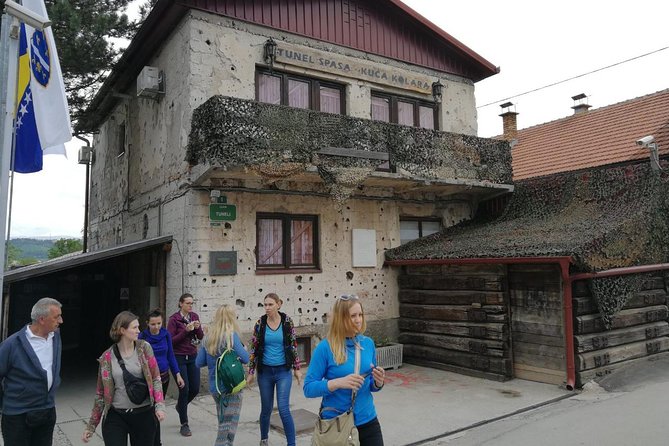
The first major stop is the Tunnel of Hope Museum, located near the former airport area. The tunnel was dug by Sarajevo citizens who needed a route beneath the airport runway and the surrounding blockade.
The surviving section is about 25 meters long, and you walk through it as part of the visit. That distance sounds short, but the setting gives it weight. The passage is narrow and basic, and it helps you picture the difficult movement of people and supplies during the siege.
Before entering, you’ll see a large map showing Sarajevo during the war. Your guide can use it to explain the enemy lines and why the tunnel mattered. The map gives you the broad picture, while the tunnel gives you a physical sense of the problem.
A 17-minute film is also shown, followed by museum displays. The film and exhibits add context before you walk through the passage, so the stop is not just a quick photo opportunity.
The entrance fee is €10 per person and is not part of the $48.39 tour price. I consider the extra charge worthwhile because this is the one paid site that gives the tour its central focus, but budget for it in advance.
The stop lasts about 1 hour and 30 minutes, including the museum visit and time to look around. You may have a short break for photographs or independent exploration if requested.
A practical point: the tunnel is not a large attraction where you can spend half a day. The surviving section is short, and the museum visit is focused. Its value comes from the explanation, the map, the film, and the connection to the wider route.
Seeing Sniper Alley and the children’s memorial
The drive to the tunnel includes an introduction to Sarajevo’s wartime geography. Along the way, the guide points out Sniper Alley, a name associated with the dangerous routes through the city during the siege.
This part matters because it shows how ordinary movement became a risk. Roads that now carry normal traffic once exposed residents to sniper fire and shelling. A guide can help you understand which buildings and routes were damaged, and how people tried to cross the city.
Another stop or brief viewing point concerns the memorial dedicated to 1,621 children killed during the war. The memorial uses bronze and glass, with a sculpture symbolizing a mother trying to protect her children. A bronze ring represents a strong circular line of defense.
This is a quiet, difficult part of the experience. The memorial is not presented as a distant statistic. It brings the cost of the siege back to families and children, which is why many people find this tour stays with them after the day ends.
The supplied schedule does not give a separate duration for the children’s memorial, so the timing may depend on traffic and the guide’s route. Ask your guide if you want more time there.
Trebević at 1,230 meters above Sarajevo
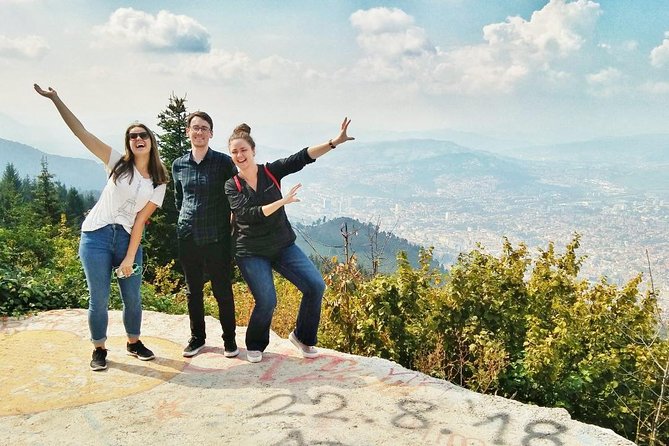
After the tunnel, the vehicle continues from the Federation entity into Republika Srpska, crossing an important political and geographic boundary within Bosnia and Herzegovina. The next stop is Trebević, an Olympic mountain rising to about 1,230 meters above sea level.
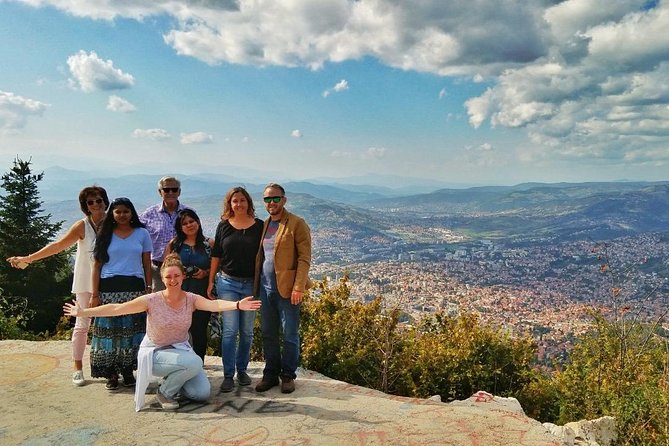
The viewpoint offers a broad view over Sarajevo. From here, the guide can show you the former enemy lines and explain how the hills affected the siege.
This is also the tour’s best chance to pause and take photographs. The city’s long valley shape becomes much easier to understand from above, and the view gives you a useful counterpoint to the darker stories told on the lower streets.
The scheduled stop lasts about 20 minutes. That is enough for the main view and a short explanation, but not enough for an extended mountain outing. Think of Trebević as a viewpoint with wartime context, not as a hiking trip.
Bring a layer even in pleasant weather. The tour information does not give seasonal temperatures, but a high viewpoint can feel different from central Sarajevo. Since the tour requires good weather, poor conditions may lead to a new date or a full refund.
Same country, a completely different kind of day:
- Sarajevo: Mostar, Konjic, Blagaj Tekke, Pocitelj & Waterfall
★ 4.9 · 1,666 reviews - Sarajevo: Grand Walking Tour Through Time and Cultures
★ 4.8 · 1,236 reviews - Sarajevo: Mostar, Konjic, Sufi House, Pocitelj & Kravice Falls
★ 5.0 · 1,179 reviews - ROSES OF SARAJEVO (Official WAR + CITY tour)- Story of a Survivor
★ 5.0 · 770 reviews
Walking the 1984 Olympic bobsleigh track
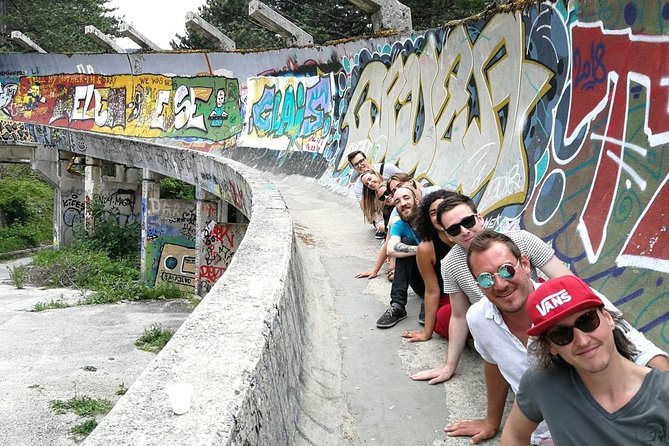
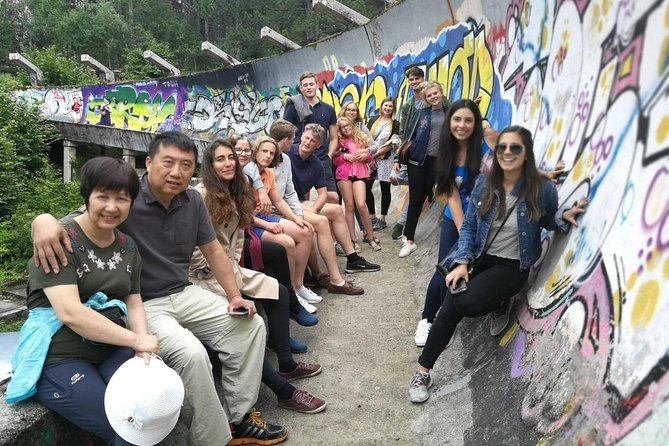
Trebević also holds one of Sarajevo’s most striking reminders of the city’s Olympic past. The Olympic bobsleigh and luge track was used during the 1984 Winter Olympic Games and is now abandoned.
You walk along part of the track, with the guide explaining its place in Sarajevo’s story. The setting shows how a world-class sporting venue was later caught up in war and then left to weather and decay.
The track is scheduled for about 30 minutes. You should expect some walking rather than a ride. The provided details do not promise a cable car trip, but you may see the cable car route from the track area. The cable car reopened on April 6, 2018, and its presence adds another layer to the mountain’s story.
This stop gives the tour a change of pace. After the tunnel and memorial, the bobsleigh track lets you think about Sarajevo before, during, and after the war. It is visually memorable, but the guide’s explanation is what connects the abandoned concrete curves to the city’s recent past.
Wear comfortable shoes. The tour does not describe difficult hiking, but you will be walking outdoors on and around an old track.
The Jewish Cemetery and Sarajevo’s hillside front
The final scheduled stop is Sarajevo’s Jewish Cemetery, described as the second largest in Europe and a candidate for UNESCO World Heritage status. During the siege, the cemetery became part of the battlefield between Bosnian Army forces and Serbian forces.
Its location on the hillside makes the military story easier to follow. The cemetery was not only a place of remembrance. Its position also made it part of the contested ground around Sarajevo.
The stop lasts about 15 minutes, so expect a concise visit rather than a long cemetery tour. The guide’s explanation is especially important here, since the site’s wartime role may not be obvious from a quick look.
The cemetery also adds a longer historical view to a tour focused on the 1990s. Sarajevo has long been home to different religious and cultural communities, and this stop places the siege within that wider story.
Guides who make the war personal
The quality of this experience depends heavily on the guide. The route is valuable, but the places alone cannot explain what it meant to live through the siege.
Guides such as Emina Koso and Enes have been singled out for their personal accounts. Emina was a child during the war, and Enes has also shared his own story. A guide who remembers the conflict from childhood can explain not only military events, but also what daily life felt like for an ordinary family.
That personal angle is a major reason to choose this tour instead of visiting the tunnel independently. A museum can show you a map and a film. A good guide can connect the map to the streets, hills, buildings, and choices people faced.
The tour is offered in English. One supplied account also describes a Spanish-speaking guide, but Spanish is not listed as a standard offering, so request language information before booking if that matters to you.
Do not expect jokes or a carefree mood. Conversation may still be warm, and guides can add useful information about Sarajevo beyond the war, but the main subject is painful.
Price, transport, and group size
At $48.39 per person, the tour offers a practical way to cover several widely separated sites in three to four hours. An air-conditioned vehicle, bottled water, professional guide, private transportation, and hotel pickup and drop-off are included.
That matters in Sarajevo. The tunnel, Trebević, the bobsleigh track, and the Jewish Cemetery are not a simple walk from one another. Having transport lets you spend your time on the explanation rather than working out connections between the sites.
The advertised maximum is 50 people, though the actual group can vary. Some bookings have operated as very small groups, even as a couple with the guide and driver. Because one booking problem involved confusion over a private versus public tour, confirm the arrangement before the day of departure.
You can meet at the Spirit Tours office at Ferhadija 19, in the passage next to the Cathedral of Jesus’ Sacred Heart. Free hotel pickup is also offered, which is the easier choice if you are staying outside the central pedestrian area.
The tour begins and ends at the meeting point unless you arrange hotel transport. Confirmation is provided when you book, and the experience is generally suitable for most people. Service animals are allowed, and the office is near public transport.
The total price is not the final cost if you enter the tunnel. Add €10 per person for the museum ticket. That still keeps the outing reasonably priced for a half-day experience with transport and a guide, especially if you want to see the mountain sites without arranging a taxi.
Who should book this Sarajevo war tour
I would choose this tour if you want a clear introduction to Sarajevo’s recent past and prefer seeing places in person rather than reading about them afterward. It works especially well early in your stay, since the guide can help you understand the city before you explore more of it on foot.
It also suits visitors with limited time. In three to four hours, you cover the tunnel, the hills, the Olympic track, a cemetery, and key memorials. You will not become an expert on the Bosnian war, but you will gain a useful framework for understanding Sarajevo.
The tour may not suit you if you want a relaxed scenic drive or a broad general sightseeing tour. Much of the content concerns civilian suffering and wartime death. Give yourself some quiet time afterward rather than scheduling a crowded evening immediately after the tour.
Families should consider the age and temperament of children carefully. The information says most people can participate, but it does not give a recommended minimum age. The subject matter may be difficult for young children.
The tour also suits photographers, with good views from Trebević and memorable scenes at the bobsleigh track. Still, photography should not become the main purpose at the memorials and cemetery. Listen first, then take pictures where appropriate.
Booking advice and cancellation details
Free cancellation is available if you cancel at least 24 hours before the start time. Cancellations inside 24 hours are not refunded, and changes during that period are not accepted.
The experience requires good weather. If the operator cancels because of poor weather or because the minimum number of participants is not reached, you will be offered another date or experience, or a full refund.
Since the tour is often booked well ahead, with an average lead time of 38 days, reserve early if your Sarajevo dates are fixed. At the same time, check the pickup details and private or shared format before you finalize plans.
Should you book the 1,425-day siege tour?
Yes, if you want the most meaningful wartime introduction to Sarajevo in a single half-day. The Tunnel of Hope, personal guide stories, and views from Trebević give the tour both human feeling and physical context.
Book it with the right expectations. You are paying for transport, interpretation, and access to several difficult places, not for entertainment. Add the €10 museum fee, confirm the booking type, and leave room in your day for the subject to sink in.
If Sarajevo is only one stop on a larger trip, this is the experience most likely to explain why the city looks and feels the way it does today. I would make it a priority for a first visit, especially if Emina Koso, Enes, or another guide with lived experience is available.
FAQ
How long does the Sarajevo war tour last?
The tour lasts approximately 3 to 4 hours.
What is the tour price?
The listed price is $48.39 per person.
Is the Tunnel of Hope entrance fee included?
No. The Tunnel of Hope Museum ticket costs €10 per person and must be paid separately.
Does the tour include hotel pickup?
Yes. Free hotel pickup and drop-off are offered. You can also meet at the Spirit Tours office at Ferhadija 19, near the Cathedral of Jesus’ Sacred Heart.
What language is the tour offered in?
The standard listed language is English.
Which places are visited?
The route includes the Sarajevo War Tunnel, Trebević Vidikovac, the Sarajevo Olympic bobsleigh and luge track, and the Jewish Cemetery. It also includes wartime sights such as Sniper Alley and the memorial to Sarajevo’s murdered children.
Is transportation included?
Yes. An air-conditioned vehicle, private transportation, bottled water, and a professional guide are included.
Can I cancel for a full refund?
Yes, if you cancel at least 24 hours before the experience begins. Cancellations made less than 24 hours before the start time are not refunded.
Just added around Sarajevo
- Sarajevo Under Siege: A War History Tour★ 5.0 · 10 reviews
- WAR TUNNEL – Sarajevo’s only way of a communication during the WAR – Top secret★ 5.0 · 12 reviews
- Private Full Day Safari Tour★ 5.0 · 8 reviews
- Mysterious Visoko Pyramids Driving and Walking Tour★ 5.0 · 7 reviews
- Ultimate Gastro Experience★ 4.5 · 14 reviews
- Secret Tito’s Bunker/Konjic Tour★ 5.0 · 4 reviews
- Crossroads of Cultures – Sarajevo Walking Tour★ 5.0 · 8 reviews
- The Secret Lifeline: Sarajevo’s War Tunnel Tour★ 5.0 · 6 reviews
Sarajevo Siege Tours, compared.

Fall of Yugoslavia, Sarajevo War Tour with Tunnel of Hope Museum and Frontlines
Read our review →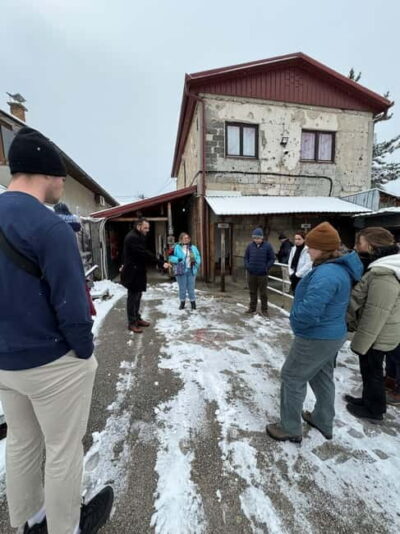
Bosnian War & Fall of Yugoslavia Tour with Tunnel
Read our review →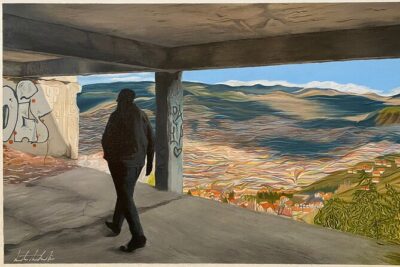
Sarajevo War Tour: A Veteran’s Story of the Siege (fees included)
Read our review →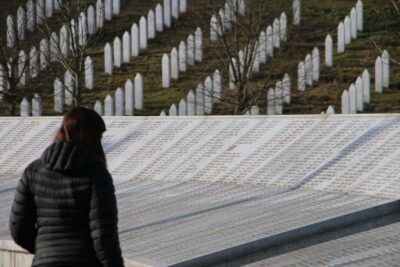
Srebrenica Genocide Study Tour with War Veteran
Read our review →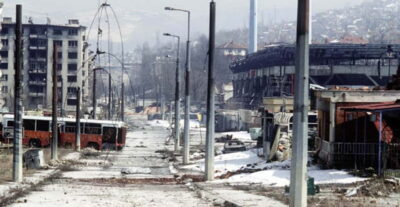
Break-up of Yugoslavia & The War in Mostar: Life Under Siege
Read our review →
Sarajevo to Srebrenica: Genocide Study Tour with War Veteran
Read our review →
Browse the lists this tour appears in