
Reviewed · SREBRENICA MEMORIAL TOURS
Sarajevo to Srebrenica: Genocide Study Tour with War Veteran
Srebrenica is not a casual sightseeing stop. It is a place of remembrance, and this day trip gives you the setting, dates, personal stories, and political background needed to understand what happened there during the Bosnian War. The strongest part is the guide-led journey through Eastern Bosnia, especially when your guide can add personal experience, as Adis, Adnan, Omer, and others have done.
I like the small-group format, which keeps a 10-hour day manageable and leaves room for questions. I also like the former UN battery factory museum, where multimedia displays and survivor accounts give the visit a human scale. The main consideration is emotional weight: you should arrive ready for a serious, sometimes painful day rather than a standard city excursion.
Key points to know before booking
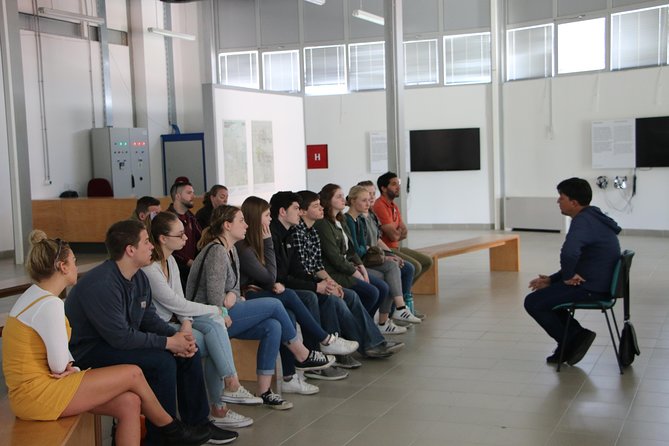
- A full-day history lesson on the road: The drive to Srebrenica takes about two and a half hours, and the guide uses that time to explain Yugoslavia, the breakup of the country, and the Bosnian War.
- A former UN base is now a museum: The battery factory at Potocari was used by Dutch UN forces and now houses the Museum of Srebrenica Genocide.
- Personal stories matter here: Guides including Adis, Adnan, Omer, and Kenan have shared first-hand or family-related experiences of the conflict.
- The memorial cemetery is still growing: The cemetery contains 6,575 identified victims, with more burials added as remains are found and identified.
- You see present-day Srebrenica, not only a memorial: The town visit shows how the former industrial center has changed since the war.
- The price covers more than transport: At $82.84, you receive a guide, air-conditioned transport, water, a traditional Bosnian sausage sandwich, and pickup and return service in Sarajevo.
Why the road from Sarajevo matters
The tour leaves at 8:00 a.m. from Velika avlija, at Laure Papo Bahorete 2, though the usual meeting point is near the Info Bosnia Tourist Information Center on Ferhadija pedestrian street. The exact pickup can be arranged elsewhere in Sarajevo, including your hotel or private accommodation.
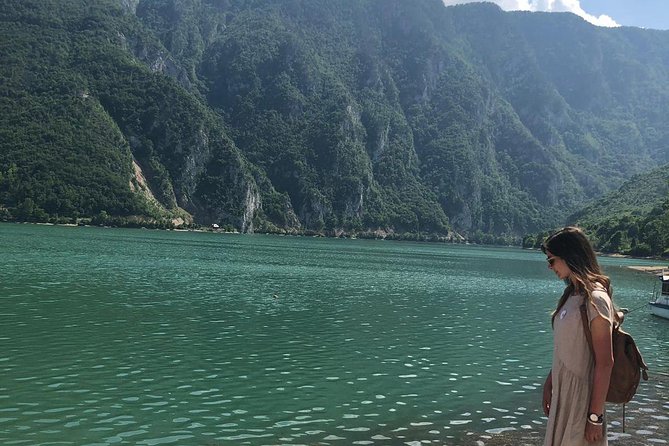
The drive east takes around two and a half hours. You pass through the mountains of Eastern Bosnia, an area known for quiet roads and wide views. That scenery can feel at odds with the subject being discussed, but this contrast is useful. The guide connects the countryside to the political and military events that shaped it.
This early explanation is one of the tour’s biggest strengths. Srebrenica makes more sense once you understand the breakup of Yugoslavia, the rise of nationalism, the war in Bosnia and Herzegovina, and the creation of isolated enclaves. Without that background, the memorial can feel like a series of terrible facts. With it, you begin to see how the crisis developed and why the international response failed so badly.
Several guides have received especially strong praise for the way they handle this part of the day. Adis is described as open, engaging, and willing to discuss both the war and current political issues. Adnan has shared his own story and answered questions about Yugoslavia, hate speech, and present-day Bosnia. Omer has spoken about seeing the war as a child in Sarajevo.
Guide assignments can change, so you should not book expecting one particular person unless the operator confirms it. Still, the range of guides named in the feedback suggests that the company has several staff members who can discuss the subject with care and detail.
More sarajevo siege tours in Sarajevo:
- Fall of Yugoslavia, Sarajevo War Tour with Tunnel of Hope Museum and Frontlines
★ 5.0 · 1,314 reviews - Sarajevo: Tunnel Museum Yugoslavia War Tour with War Veteran
★ 5.0 · 1,111 reviews - Tunnel Museum: Bosnian & Yugoslav Wars Tour with War Veteran
★ 5.0 · 551 reviews
Potocari and the former Dutch UN base
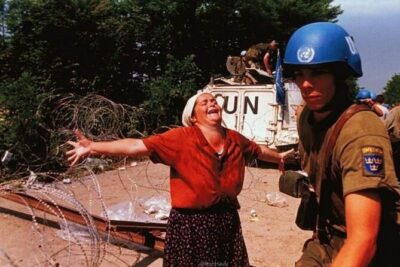
The first major stop is the Srebrenica Genocide Memorial at Potocari. The former battery factory served as the headquarters of Dutch UN forces during the war. That fact alone gives the building a heavy significance, since the site is tied directly to the international presence during the fall of the Srebrenica enclave.
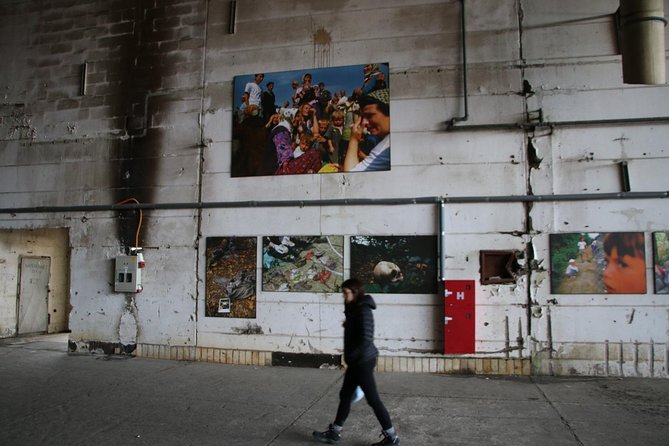
Today, the building houses the Museum of Srebrenica Genocide. The museum uses films, multimedia displays, documents, and personal accounts to explain the events leading up to the massacre. You are not simply shown a cemetery and sent back to Sarajevo. The exhibits try to explain how the enclave fell and what happened to the people trapped there.
The museum is an important stop for another reason: it brings the history down to the level of individual lives. Accounts from survivors and victims help you think about families, homes, fear, flight, and separation rather than only military movements and political decisions.
You should allow yourself time to look carefully. One guide, Adis, was praised for letting people browse at their own pace rather than hurrying them through the displays. That flexibility is valuable here. The subject requires time to process, and the museum is not the sort of place you want to rush through for the sake of a timetable.
The downside is that the visit can feel information-heavy. You receive a great deal during the drive, then more at the museum, followed by the memorial room and cemetery. A little advance reading can help. Even a basic understanding of the Bosnian War will make it easier to follow the names, places, and dates.
The memorial room and the stories behind the names
From the museum, the tour continues to the memorial room. Here, recorded or presented accounts tell the stories of people affected by the genocide. The material also addresses those responsible for the massacre, rather than presenting the event as an unexplained tragedy.
That distinction matters. A good memorial does not only ask you to feel sadness. It also asks you to consider responsibility, denial, political language, and the danger of treating human beings as a group rather than as individuals.
The presentation is serious and direct. You may find the memorial room harder than the museum because the focus shifts from general explanation to personal loss. There is no light sightseeing stop to balance it, and that is intentional. Plan your day with enough quiet afterward rather than scheduling a demanding evening event in Sarajevo.
The guides are available for questions throughout the visit. Feedback about Adnan, Edin, Ibrahim, and Omer repeatedly points to their patience and willingness to address difficult subjects. You can ask about the war, the United Nations, the political setting, or how the past affects Bosnia and Herzegovina today.
The value here is not just the amount of information. It is the chance to ask questions in a small group, where the guide can explain a confusing point or slow down when the subject needs more care.
The white cemetery at Potocari
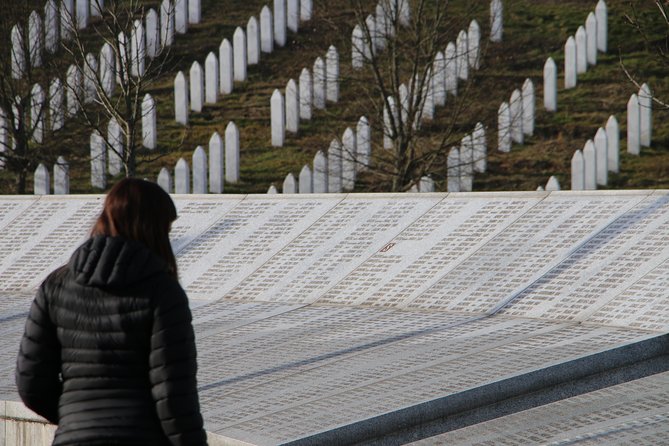
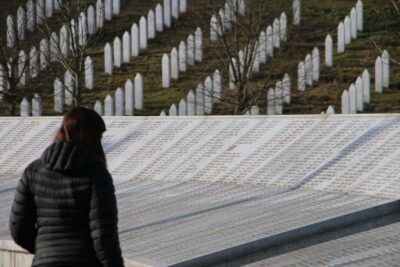
The cemetery is the most recognizable part of the memorial complex. The rows of white gravestones mark victims who have been identified and reburied. The stated count is 6,575, but it continues to rise as remains are found, identified, and formally laid to rest.
The scale is difficult to grasp from photographs. Walking among the rows gives you a clearer sense of the number of lives involved, while each marker also points to one person and one family.
This is a place for quiet observation. The tour does not treat the cemetery as a photo opportunity, and you should follow that lead. Dress and behave respectfully, keep your phone use limited, and give other people space.
A visit here can be especially moving for people who have already visited other sites connected to twentieth-century mass violence. One person compared the importance of Srebrenica with Auschwitz, though the sites are different in setting and history. The useful point is that this is not a minor footnote to European history. It is a central place for understanding the recent past of Bosnia and Herzegovina and the limits of international protection.
More srebrenica memorial tours in Sarajevo:
- From Sarajevo: Srebrenica Genocide Memorial Study Tour
★ 5.0 · 359 reviews - Sarajevo: Srebrenica Genocide Study Tour with War Veteran
★ 5.0 · 263 reviews - From Sarajevo: Srebrenica Genocide Memorial Study Tour
★ 5.0 · 242 reviews - Understanding Srebrenica Genocide Tour + Lunch with Local Family Included
★ 5.0 · 123 reviews
Srebrenica town and the long aftermath
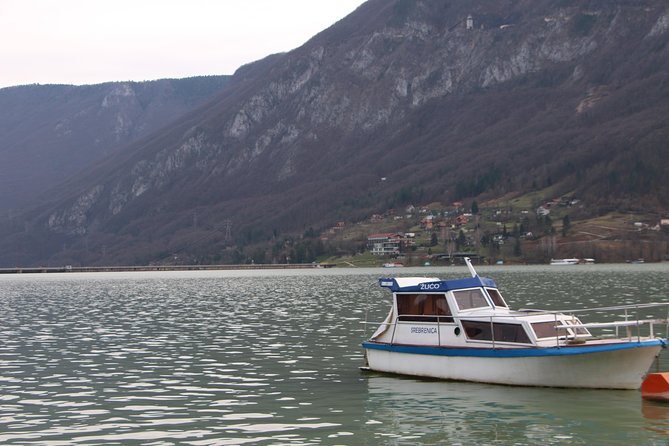
After Potocari, the route continues to Srebrenica itself. Before the war, the town was an important industrial center and one of the oldest settlements in the area. Today, it is described as a ghost town, and the contrast between its former role and present condition adds another layer to the visit.
This stop keeps the tour from becoming only a memorial visit. You see the wider place where people lived, worked, and built ordinary lives. The town helps you consider what war leaves behind after the headlines have ended: reduced activity, damaged communities, abandoned buildings, and a difficult return to normal life.
The itinerary places lunch in Srebrenica because there are few restaurants near the memorial complex. The guaranteed food listed for the day is a sandwich with traditional Bosnian sausage, with a vegetarian option available if requested. Bottled water is also provided.
Some departures have included a homemade Bosnian meal with a local family, and the personal story shared over lunch was a highlight for some participants. Do not assume that this is included on every booking. Ask the operator directly if a family meal or local host visit is planned, since the published inclusions specifically promise the sandwich rather than a full restaurant or home-cooked lunch.
What $82.84 buys you
At $82.84 per person, this is a fair price for a full day outside Sarajevo. The tour includes an English-speaking driver and guide, air-conditioned car or minivan transport, water, the traditional sandwich, hotel pickup when needed, and drop-off at the end.
The transport is a real part of the value. Srebrenica is not a simple hop from Sarajevo by public transport, and the route takes several hours each way. Driving yourself would also leave you responsible for navigation, timing, and finding the memorial sites. Here, the road time becomes part of the educational program.
The maximum group size is 12, although some departures have been much smaller, with around seven people. That matters because this is an emotional subject. A small group makes it easier to hear the guide, ask questions, and move through the museum without the feel of a large coach tour.
The main cost not covered is additional food and drinks unless specifically stated. The activity lasts about 10 hours, so you should eat the included sandwich and carry any extra snacks you may need. Hotel pickup is offered from all Sarajevo locations. If you stay in a private home rather than a hotel, the operator asks for a Google Maps location.
Comfort, timing, and the emotional pace
The air-conditioned vehicle is welcome on a long mountain road. The journey is comfortable, but it is still a full day with several hours in the car. You should expect a long outing, not a quick half-day trip.
The 8:00 a.m. start is sensible. It allows time for the drive, the museum, the cemetery, the town, and the return to Sarajevo. On Sundays, the memorial may close earlier, so the schedule can be tighter. One departure had to leave earlier than planned because of this, and the office later contacted the participant to apologize. Check opening times if your date is a Sunday.
The topic also affects how you should plan your energy. The day moves from historical explanation to museum evidence, personal stories, the cemetery, and the town. It does not offer much emotional relief. That is not a flaw, but it is a reason to avoid pairing it with another demanding activity.
Most people can participate, and service animals are allowed. The tour is offered in English and confirmation is issued at booking. Free cancellation is available up to 24 hours before the start time. If the minimum number is not reached and the operator cancels, you are offered another date or a full refund.
Who should take this day trip
I would recommend this tour to anyone who wants to understand Bosnia and Herzegovina beyond Sarajevo’s Ottoman streets, Austro-Hungarian buildings, and lively cafes. It suits solo visitors particularly well because the small group and organized transport remove much of the awkwardness of visiting a difficult site alone.
It is also a good choice if you value direct conversation. Guides such as Adis, Adnan, Omer, Edin, and Kenan have been praised for combining historical detail with personal experience, humor when appropriate, and respect for the subject. You should still expect the guide’s approach and personality to vary by departure.
This is less suitable if you want a light day trip, scenic sightseeing with only a little history, or a flexible schedule with many independent stops. Srebrenica is the focus, and the tour gives the subject the time it requires.
You do not need to be a history expert. I would, however, read a short introduction to the breakup of Yugoslavia and the Bosnian War before you go. That preparation will help you follow the road commentary and make better use of your time at the museum.
Should you book the Sarajevo to Srebrenica tour?
Book it if you want a serious, well-organized visit to one of Europe’s most important memorial sites. The strongest reasons are the personal guidance, the former UN base and museum, the small vehicle, and the chance to see Srebrenica itself rather than only a cemetery.
At $82.84, the package offers solid value for a 10-hour trip with transport, guide service, water, food, and Sarajevo pickup and return. Just set the right expectations. This is a study tour, not a cheerful day out, and you may want quiet time after returning.
If you approach Srebrenica with respect and some basic preparation, this excursion can give you a clearer understanding of what happened, why it matters, and how the past still shapes Bosnia and Herzegovina.
FAQ
How long is the Sarajevo to Srebrenica tour?
The experience lasts approximately 10 hours, including the drive from Sarajevo, visits around Potocari and Srebrenica, and the return journey.
What time does the tour start?
The usual start time is 8:00 a.m.
Where does the tour begin?
The listed meeting point is Velika avlija, Laure Papo Bahorete 2, Sarajevo. The usual starting arrangement is near the Info Bosnia Tourist Information Center on Ferhadija pedestrian street, beside Sarajevo Meeting of Cultures.
Is hotel pickup available?
Yes. Pickup is provided from locations throughout Sarajevo. If you are staying in a private home rather than a hotel, you need to provide a Google Maps location.
What food is included?
A traditional Bosnian sausage sandwich and bottled water are included. A vegetarian sandwich can be requested.
Is lunch included?
The included food is the traditional sandwich. The tour continues to Srebrenica for a lunch stop, but additional food and drinks are not included unless specifically stated.
How large is the group?
The maximum group size is 12 people. Some departures may be smaller.
What places do you visit?
The route includes the Srebrenica Genocide Memorial at Potocari, the former UN battery factory and museum, the memorial room, the cemetery, and the city of Srebrenica.
Is the tour offered in English?
Yes. The tour is offered in English.
Can I cancel for a full refund?
Yes, if you cancel at least 24 hours before the experience begins. Cancellations or changes made less than 24 hours before the start time are not refunded.
Just added around Sarajevo
- Sarajevo Under Siege: A War History Tour★ 5.0 · 10 reviews
- WAR TUNNEL – Sarajevo’s only way of a communication during the WAR – Top secret★ 5.0 · 12 reviews
- Private Full Day Safari Tour★ 5.0 · 8 reviews
- Ultimate Gastro Experience★ 4.5 · 14 reviews
- Mysterious Visoko Pyramids Driving and Walking Tour★ 5.0 · 7 reviews
- Secret Tito’s Bunker/Konjic Tour★ 5.0 · 4 reviews
- The Secret Lifeline: Sarajevo’s War Tunnel Tour★ 5.0 · 6 reviews
- Crossroads of Cultures – Sarajevo Walking Tour★ 5.0 · 8 reviews
Srebrenica Memorial Tours, compared.
Srebrenica Genocide Study Tour with War Veteran
Read our review →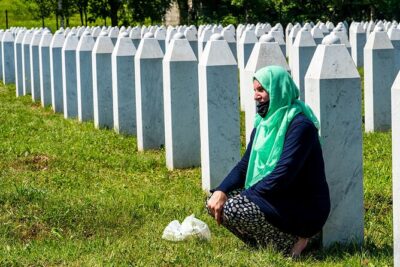
Understanding Srebrenica Genocide Tour + Lunch with Local Family Included
Read our review →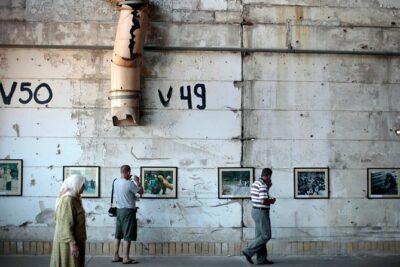
Understanding Srebrenica Genocide – Day tour from Sarajevo
Read our review →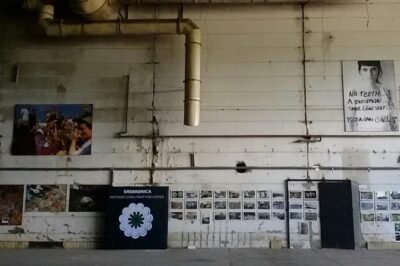
Understanding Srebrenica Genocide + Lunch With Local Family – Private Tour
Read our review →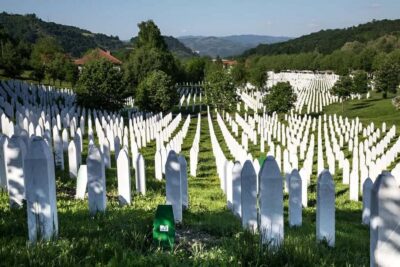
Understanding Srebrenica Genocide + Lunch with Local Family
Read our review →
Srebrenica Genocide Memorial and Testimonial Tour
Read our review →Browse the lists this tour appears in