
Reviewed · SARAJEVO SIEGE TOURS
Sarajevo War Tour: A Veteran’s Story of the Siege (fees included)
Sarajevo’s siege becomes far more understandable when you see the places where it happened and hear about it from someone who lived through it. This four-hour tour takes you from Markale and Sniper Alley to the War Tunnel of Hope, then up Trebević Mountain for battle positions, ruined facilities, and wide views over the city.
I like the personal scale of the experience. A former soldier or siege survivor can explain not only dates and troop movements, but also what daily life felt like inside a trapped city. I also like the mix of sobering war sites and unusual Sarajevo landmarks, especially the Olympic bobsleigh track.
The subject is painful, and the guide’s personal opinions can shape the presentation. The tour also moves through several stops fairly quickly, and the walk to the bobsled track may be harder than the low walking rating suggests for anyone with limited mobility.
Key points to know before booking
- A Sarajevo war veteran leads the tour: Guides have included Adnan, Mustafa, Enes, Omer, Ibrahim, Edo, and other local veterans or survivors.
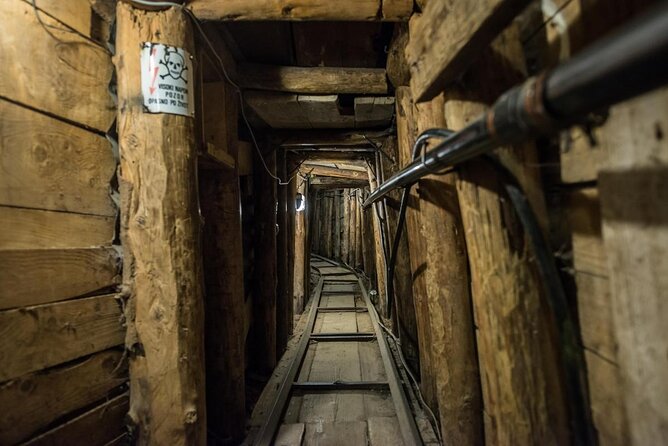
- The War Tunnel is the central experience: You watch a short film, pass through part of the tunnel, and see siege-era objects with the entrance fee included.
- Trebević adds the clearest city view: Former front-line positions help you understand the military geography of Sarajevo.
- The Olympic bobsled track is both striking and unsettling: Graffiti-covered concrete curves run through a former battle zone.
- Pickup and drop-off are included: You can begin at Funky Tours in central Sarajevo or arrange a preferred pickup point.
- Small groups keep the conversation open: The maximum group size is eight, useful for questions about the war and its aftermath.
Why a veteran guide changes the Sarajevo war story
You can visit Sarajevo’s museums and read about the breakup of Yugoslavia on your own. But the siege is difficult to grasp from dates alone. From April 1992 to February 1996, Sarajevo was surrounded and shelled while its residents faced sniper fire, shortages, and restricted movement.
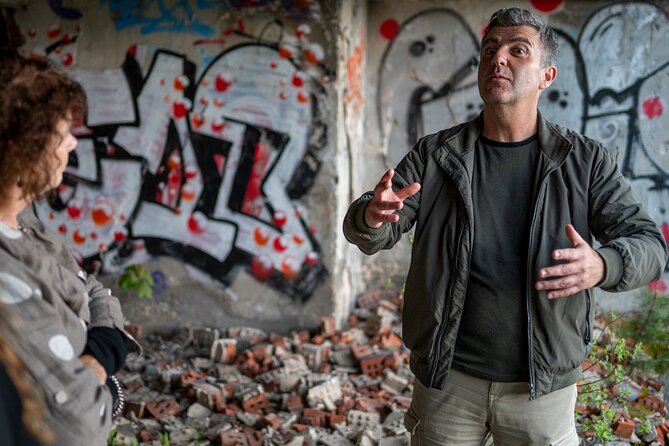
A veteran guide gives the story a human scale. Guides such as Adnan, who served as an officer, and Mustafa, who has led many visitors through the subject, have used personal memories to explain how people moved around the city, how the tunnel functioned, and how civilians understood the fighting around them.
That personal angle is the tour’s greatest strength. You can ask direct questions, including questions about daily life, politics, military decisions, and the feelings of people on different sides. The guides are described as thoughtful and willing to discuss difficult subjects, though some also speak openly about their own views. I see that as a benefit if you want a candid conversation, but you should not expect a detached lecture with every political question reduced to a neat answer.
The tone can also vary by guide. Enes is described as energetic and humorous, while other guides are more reflective. The topic remains serious, but a little warmth can make four hours of grim material easier to absorb.
More sarajevo siege tours in Sarajevo:
- Fall of Yugoslavia, Sarajevo War Tour with Tunnel of Hope Museum and Frontlines
★ 5.0 · 1,314 reviews - Sarajevo: Tunnel Museum Yugoslavia War Tour with War Veteran
★ 5.0 · 1,111 reviews - Tunnel Museum: Bosnian & Yugoslav Wars Tour with War Veteran
★ 5.0 · 551 reviews
Starting at Funky Tours and crossing Sarajevo
The tour begins at the Funky Tours office on Besarina čikma 5, or at a pickup point arranged in Sarajevo. The air-conditioned vehicle matters here because the route covers the city center, the tunnel area, the Trebević slopes, and the cemetery before returning to town.
Pickup and drop-off are included in the price, which saves you the trouble of arranging a taxi to the War Tunnel. At the end, the guide can drop you at your preferred location in Sarajevo. This is especially useful if you are using the tour on your first day and want a broad introduction to the city’s geography.
The drive also provides an early explanation of the breakup of Yugoslavia and the causes of the Bosnian war. That background is important. Without it, the later stops can feel like disconnected ruins and memorials.
The group is capped at eight people. That is small enough for a real conversation rather than a guide speaking to a crowd, and it gives you a better chance to ask about personal experiences. Allow about four hours, though exact timing can shift with pickup arrangements, traffic, weather, and the amount of discussion.
Markale Market and the memorial to Sarajevo’s children
The vehicle passes Markale Market, the site of one of the most notorious massacres in Sarajevo during the siege. The market was a place where ordinary residents gathered for food, yet it became associated with deadly mortar attacks.
You may not spend much time here, but the stop gives the city center a painful context. Sarajevo’s war was not confined to distant battlefields. It reached markets, streets, apartment blocks, and places where people were simply trying to get bread or water.
The route also passes a memorial to the 1,601 children killed in Sarajevo between 1992 and 1995. This is a brief roadside encounter rather than a long museum visit, but it helps show the scale of civilian loss. I appreciate that these places are included even though the tour’s main ticketed attraction is elsewhere.
Sniper Alley and the old Holiday Inn
The next major stop is the former Holiday Inn in the Marijin Dvor area. Built for the 1984 Winter Olympics, the hotel later became a base for foreign journalists reporting on the war. The surrounding road was known as Sniper Alley because movement through this part of Sarajevo exposed civilians and drivers to fire from positions on the hills.
The stop lasts about 15 minutes and does not include an admission fee. The value is not in entering a major attraction. It comes from standing in the area and seeing how the flat central corridor relates to the surrounding heights.
Your guide can connect the hotel, the road, the surrounding buildings, and the hills into one picture. That spatial explanation is hard to get from a book. If you have already seen Sarajevo from street level, this stop helps you understand why the city was so vulnerable.
Do not expect a preserved battlefield. Modern Sarajevo continues around these places. That contrast is part of the point, but it also means you need to listen closely because the physical evidence is not always obvious.
Same country, a completely different kind of day:
- Sarajevo: Mostar, Konjic, Blagaj Tekke, Pocitelj & Waterfall
★ 4.9 · 1,666 reviews - Sarajevo: Grand Walking Tour Through Time and Cultures
★ 4.8 · 1,236 reviews - Sarajevo: Mostar, Konjic, Sufi House, Pocitelj & Kravice Falls
★ 5.0 · 1,179 reviews - ROSES OF SARAJEVO (Official WAR + CITY tour)- Story of a Survivor
★ 5.0 · 770 reviews
Inside the War Tunnel of Hope
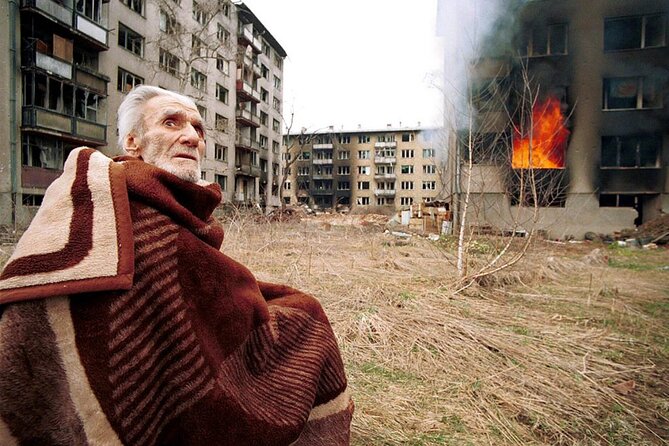
The War Tunnel Museum is the tour’s key stop, with about an hour and a half allocated to the visit and the drive around it. Entrance is included, including the listed adult fee of 10.5 euros and the child or student fee of 2.5 euros.
The tunnel was dug beneath the airport runway to connect besieged Sarajevo with territory outside the city. It became a vital supply route and escape route, effectively a narrow lifeline for a city cut off by surrounding forces.
You first watch a short film about the war and the tunnel. Then you pass through the section open to the public and see exhibits tied directly to the siege. The surviving portion is short, but its tight dimensions communicate something that photographs cannot. You are not seeing a grand monument. You are entering a confined passage built under desperate conditions.
This is where the survivor guide adds the most. Someone who used the tunnel can explain what it meant beyond its engineering. The stories concern fear, urgency, supplies, movement, and the people who kept the route operating. Several guides have also explained the wider collapse of Yugoslavia, the rise of nationalist politics, and the military aims that shaped the siege.
The museum itself is modest. Do not book this expecting a large, polished national museum with hours of exhibits. Its power comes from the place, the film, the objects, and the guide’s explanation. I would give this section your full attention and save casual conversation for the drive between stops.
Trebević Mountain and the military view of Sarajevo
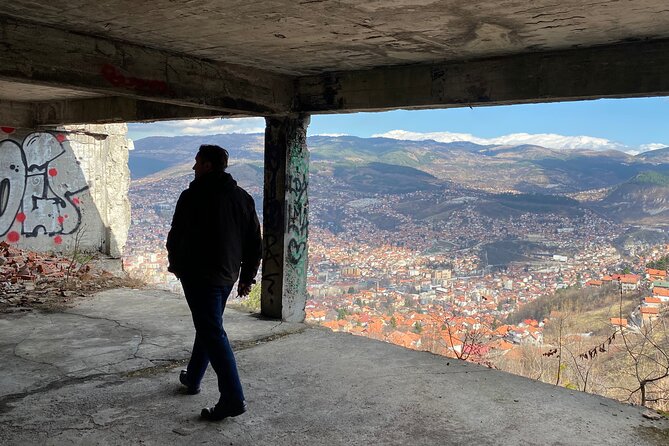
After the tunnel, the vehicle climbs toward Trebević Mountain. During the siege, much of the mountain served as a front-line area and a position for the Army of Republika Srpska. Today, the mountain provides some of the best views over Sarajevo, but the remains of the war are still visible.
The guide may point out areas such as Zlatište, Osmice, and Trebević Vidikovac, along with damaged structures, bunkers, trenches, minefield areas, tank tracks, bullet marks, and grenade fragments. Not every site is restored or marked in a way that makes its meaning immediately clear. You rely on the guide to identify what you are seeing.
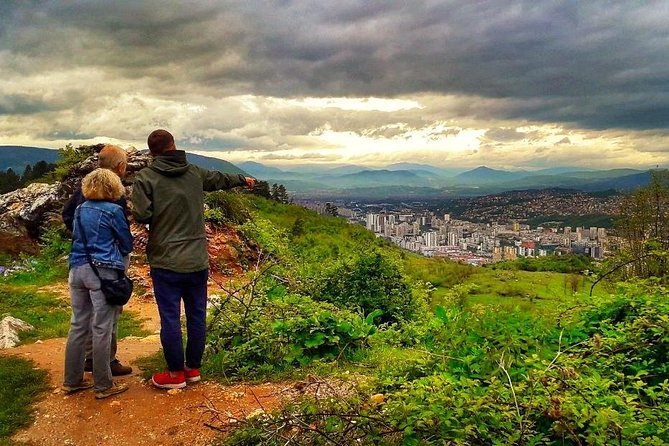
This is one of the tour’s most useful sections because it explains the geography of the siege. From the heights, you can see the city below and understand why positions on Trebević mattered. The view is beautiful, but the military story gives it a darker edge.
Weather can affect this part. One guide took a group onto the mountain and along the bobsled track despite poor weather, but visibility may be limited on a rainy or cloudy day. Wear shoes suitable for uneven ground, and bring a layer even if Sarajevo is warm at street level.
Trebević Vidikovac and the Olympic bobsled track
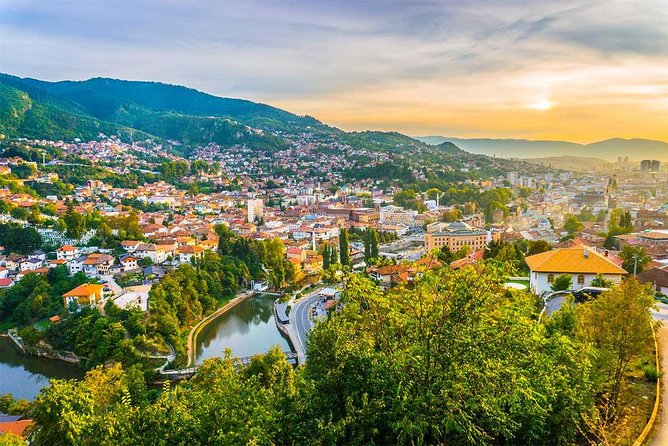
Trebević Vidikovac is a viewpoint above Sarajevo and was also a military position during the siege. The tour spends roughly 20 minutes here, enough for a look over the city and an explanation of the positions around it.
The guide uses the viewpoint to describe the unequal military situation and why the surrounding forces did not simply capture Sarajevo. This is a useful moment to ask questions, since the view makes the relationship between the city and the hills much clearer than a map does.
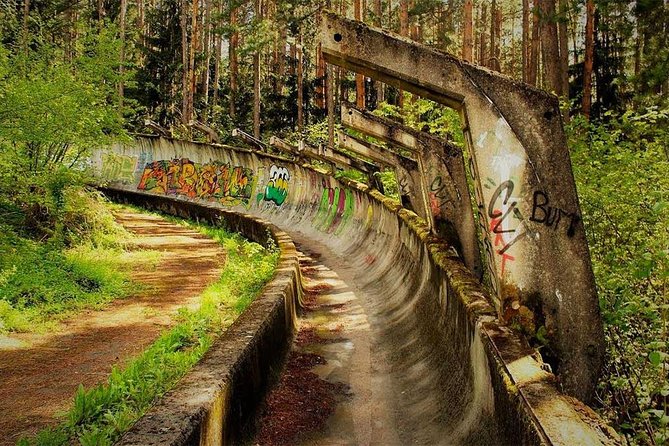
The Olympic bobsleigh and luge track is nearby and takes about 20 minutes of the scheduled tour. Built for Sarajevo’s 1984 Winter Olympics, the concrete track later sat on or near a front line during the war.
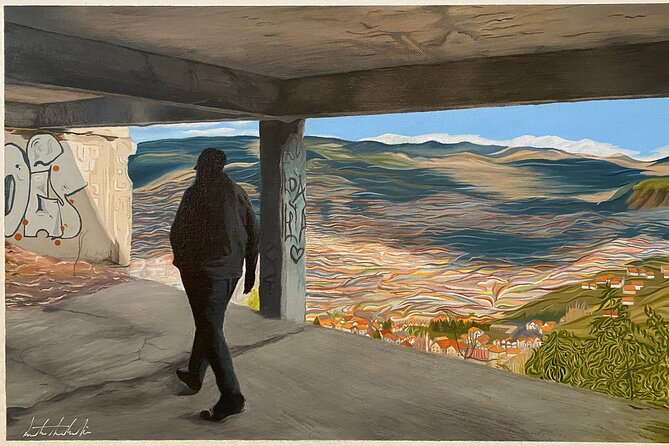
Today, the track is an abandoned structure marked by graffiti from artists around the world. Its curves and tunnels make it an unusual place to visit, but the abandoned concrete is not just an urban-art backdrop. Your guide explains how the site was used during the conflict and why it was dangerous.
I consider this the tour’s most memorable visual stop. It brings together Sarajevo’s Olympic pride, the destruction of the 1990s, and the city’s later ability to live with difficult reminders. The drawback is practical: reaching parts of the track involves a walk from the vehicle parking area. One visitor with limited mobility stayed at a hotel for coffee while the guide and another member of the group explored. If walking is a concern, tell the operator before departure rather than relying only on the low-walking description.
The Jewish Cemetery on the return to town
The final listed stop is the Jewish Cemetery, one of Europe’s largest Jewish cemeteries. During the siege, it was also used as a front-line area and sniper position.
The cemetery adds another layer to the tour. It is not only a war site. Its older tombstones and long connection to Sarajevo remind you that the city’s story reaches far beyond the 1990s conflict.
The stop lasts about 15 minutes. That is enough for an overview and a final explanation of the positions around the city, though it is not a full cemetery tour. Afterward, you return to Sarajevo and receive drop-off at the agreed location.
Is $48.39 a fair price?
At $48.39 per person, the tour is fairly priced for a four-hour small-group experience with a private vehicle, pickup and drop-off, an English-speaking Sarajevo war veteran, and the War Tunnel entrance included.
The tunnel admission alone is listed at 10.5 euros for adults. You also avoid paying for transport to the museum and Trebević, which can make the total cost of arranging these places independently less attractive. The small group is another part of the value. You are paying for access to a guide who can respond to your questions, not simply for a ride between marked attractions.
Food and drinks are not included. That is not a major issue for a four-hour morning or afternoon tour, but plan a meal before or after. You might also want to allow extra time after the tour if a conversation with the guide continues over coffee or a drink.
The main value is the interpretation. If you only want photographs from the mountain and bobsled track, you could look for a cheaper sightseeing drive. If you want to understand why these places mattered, the veteran guide makes the higher price worthwhile.
Who should book this experience?
I would choose this tour if you have a serious interest in the breakup of Yugoslavia, the Bosnian war, or the human cost of the Sarajevo siege. It is also a strong choice if your time in Sarajevo is short and you want the War Tunnel, Trebević, Sniper Alley, and the bobsled track covered in one half-day.
It suits adults and older children who can handle difficult material. The guides can discuss massacres, military attacks, civilian deaths, and personal trauma in direct terms. This is not a light sightseeing outing.
It is also a good fit for people who ask many questions. Ibrahim, Mustafa, Adnan, and the other guides have been praised for spending time on broader Bosnian and Yugoslav history, even when questions move beyond the exact route.
You should think twice if you prefer a strictly neutral, museum-style presentation or if you want long periods at each location. The tour covers a lot of ground, and the guide’s personal account is central. That is its appeal, but also its defining limitation.
The activity allows service animals, is near public transport, and most people can participate. Free cancellation is available up to 24 hours before the start time. Changes or cancellations made later are not accepted for a refund.
Should you book the Sarajevo War Tour?
Yes, if you want Sarajevo’s recent past explained by someone who lived it. The War Tunnel is essential, but the mountain positions, Holiday Inn, cemetery, memorials, and Olympic track give the tunnel a wider setting.
I would book it near the start of your stay if you want the rest of your time in Sarajevo to have more context. I would also request pickup, wear sturdy shoes, and ask about walking at the bobsled track if mobility is limited.
Book this tour for the conversation as much as the sights. The most valuable moments may come in the vehicle, when a guide such as Adnan, Mustafa, Enes, or Omer answers the question you did not know how to ask.
FAQ
How long does the Sarajevo War Tour last?
The tour lasts approximately four hours.
What is the price?
The listed price is $48.39 per person.
Is pickup included?
Yes. Complimentary pickup and drop-off are available in Sarajevo, and you may also meet at the Funky Tours office on Besarina čikma 5.
Is the War Tunnel entrance fee included?
Yes. The War Tunnel entrance fee is included. The listed fee is 10.5 euros for adults and 2.5 euros for children and students.
Is the tour offered in English?
Yes. The tour includes an English-speaking Sarajevo war veteran guide.
How many people can join the tour?
The maximum group size is eight people.
What places does the tour visit?
The route includes Markale Market, the memorial to children killed during the siege, Sniper Alley and the former Holiday Inn, the War Tunnel Museum, Trebević Mountain, Trebević Vidikovac, the Olympic bobsleigh and luge track, and the Jewish Cemetery.
How much walking is involved?
The activity is described as involving a low amount of walking. However, reaching parts of the Olympic bobsleigh track requires a walk from the parking area, so anyone with limited mobility should ask about the route before booking.
Can I cancel for a full refund?
Yes. You can cancel at least 24 hours before the experience start time for a full refund. Cancellations or changes made less than 24 hours before the start time are not accepted for a refund.
Just added around Sarajevo
- Sarajevo Under Siege: A War History Tour★ 5.0 · 10 reviews
- WAR TUNNEL – Sarajevo’s only way of a communication during the WAR – Top secret★ 5.0 · 12 reviews
- Private Full Day Safari Tour★ 5.0 · 8 reviews
- Ultimate Gastro Experience★ 4.5 · 14 reviews
- Mysterious Visoko Pyramids Driving and Walking Tour★ 5.0 · 7 reviews
- Secret Tito’s Bunker/Konjic Tour★ 5.0 · 4 reviews
- The Secret Lifeline: Sarajevo’s War Tunnel Tour★ 5.0 · 6 reviews
- Crossroads of Cultures – Sarajevo Walking Tour★ 5.0 · 8 reviews
Sarajevo Siege Tours, compared.

Fall of Yugoslavia, Sarajevo War Tour with Tunnel of Hope Museum and Frontlines
Read our review →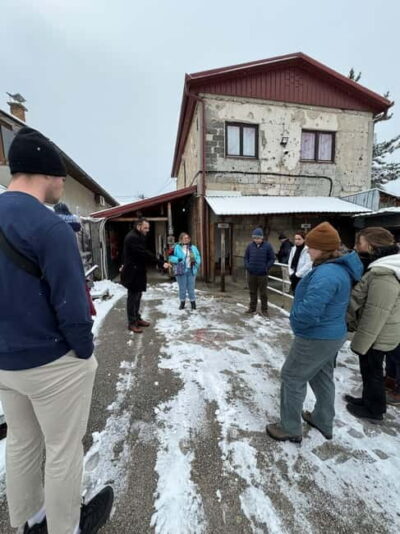
Bosnian War & Fall of Yugoslavia Tour with Tunnel
Read our review →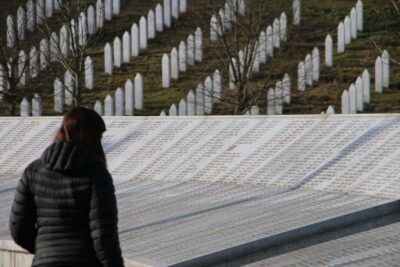
Srebrenica Genocide Study Tour with War Veteran
Read our review →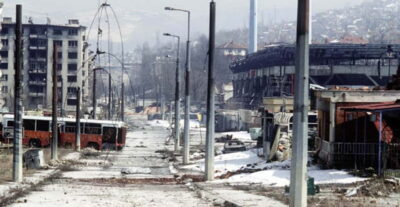
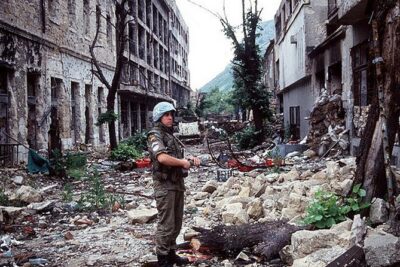
Break-up of Yugoslavia & The War in Mostar: Life Under Siege
Read our review →
Sarajevo to Srebrenica: Genocide Study Tour with War Veteran
Read our review →
Times of Misfortune – Life Under Siege and the Tunnel of Hope
Read our review →Browse the lists this tour appears in