
Reviewed · SARAJEVO WAR TUNNEL TOURS
Tunnel of Hope Tour – Survival and Resilience
Sarajevo’s Tunnel of Hope is not just a short underground passage. It is the clearest physical reminder of how the city’s people kept themselves supplied during the Siege of Sarajevo, when food, water, electricity, and gas were scarce. The tour also puts the tunnel into context as you pass Sniper Alley, the Presidency, Markale Market, and other wartime sites.
I like two things here. First, the guide does much more than drive you to a museum. Guides such as Nermin and Safet have lived through the siege, and their personal memories can make the city’s history immediate. Second, the 2.5-hour format gives you a useful city overview without taking up half your day.
The main drawback is that the 20 BAM museum ticket is extra, and access to the original tunnel is limited for safety reasons. You should expect a preserved or reconstructed section rather than a long walk through the wartime passage itself.
Key points at a glance
- First-hand Sarajevo stories: Guides including Nermin and Safet have described life during the siege from personal experience.
- Sniper Alley by vehicle: You pass along one of the city’s most notorious wartime streets rather than simply hearing about it in a museum.
- Tunnel Museum visit: Allow about 1 hour and 15 minutes for the museum and tunnel section.
- Several major landmarks included: The route passes City Hall, the National Library, Markale Market, the Presidency Building, Zetra Olympic Hall, and more.
- Small-group setting: The tour allows up to 20 people, with transportation included from central Sarajevo.
- Good short-format history tour: At about 2 hours and 30 minutes, it suits you if you want serious historical context but have limited time.
Why the Tunnel of Hope matters
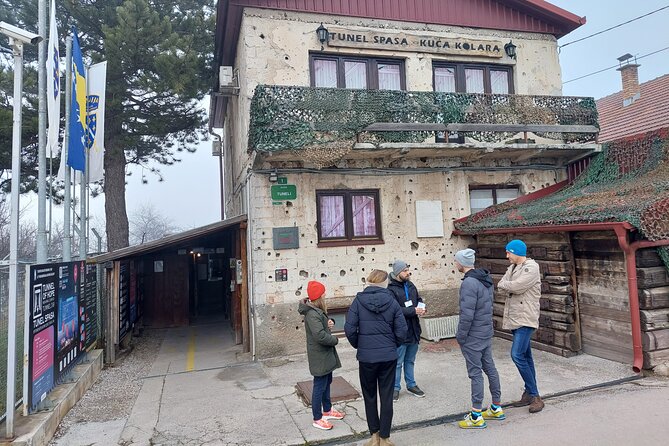
From 1992 to 1995, Sarajevo was surrounded during the Bosnian War. The city’s residents faced shelling, sniper fire, and shortages of basic supplies. The airport separated Sarajevo from territory outside the siege, leaving the city cut off from many normal routes.
The tunnel was built beneath the airport runway to connect the city with the outside world. It carried food, fuel, medicine, equipment, and people. The passage was cramped, difficult, and dangerous, but it gave Sarajevo a vital link to supplies and communication.
You will not get the full meaning of the tunnel by seeing only a few meters of it. That is why the drive through the city matters. The guide points out buildings and streets that were part of daily life during the siege, then explains how the tunnel fitted into that larger story.
This is also a difficult subject. The tour covers civilian suffering, wartime deaths, shortages, and the destruction of familiar city buildings. I would not choose it as a light sightseeing outing. You should come ready to listen.
More sarajevo war tunnel tours in Sarajevo:
- Fall of Yugoslavia, Sarajevo War Tour with Tunnel of Hope Museum and Frontlines
★ 5.0 · 1,314 reviews - Sarajevo: Tunnel Museum Yugoslavia War Tour with War Veteran
★ 5.0 · 1,111 reviews - Sarajevo: Tunnel of Hope Tour – Survival and Resilience
★ 4.8 · 630 reviews
Starting at Zelenih beretki 30
The tour begins at the Insider Sarajevo office at Zelenih beretki 30, a central meeting point near public transportation. Confirmation is provided when you book, and the activity returns to this same location at the end.
The group can include up to 20 people. That is not an intimate private tour, but the vehicle-based format means you can still hear the guide while moving through the city. Some departures may feel smaller, and a few past outings have effectively operated as private tours when bookings were light.
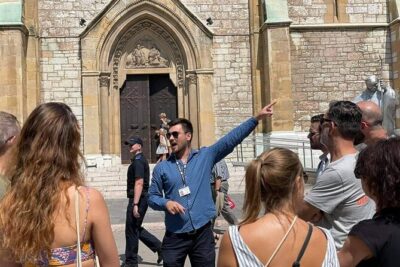
The tour is offered in English. Guides vary by departure, so you should not book on the assumption that one particular person will lead your group. Still, several names have appeared in connection with this experience. Nermin, Safet, and Haris have all been praised for clear explanations and personal stories. Some guides were former police officers or soldiers, and some were children in Sarajevo during the siege.
That personal connection is one of the strongest reasons to take this tour instead of simply hiring a taxi to the museum.
Sarajevo landmarks on the way out
The city drive is not filler. It gives you a fast introduction to places that you might otherwise pass without understanding.
You pass Markale City Market, a working market closely linked to Sarajevo’s wartime story. The stop is generally a drive-by, so do not expect time to shop or study the site at length. Still, seeing it as part of the regular city street plan helps connect the past with present-day Sarajevo.
The route also passes Trg Djece Sarajeva, or the Square of Sarajevo Children. Its name carries a painful connection to children affected by the war and makes the cost of the siege more personal.
You then see the Presidency Building, an important political center during the conflict. The tour also passes the Parliament and the Holiday Inn Hotel. The Holiday Inn became closely associated with international journalists covering the siege, while the Parliament was tied to the political decisions shaping Bosnia and Herzegovina’s future.
Other drive-by sights include the RTV Dom television building, the National Museum, Skenderija Market, and the Zetra Olympic Hall. Many buildings in Sarajevo carry marks of shelling or memories of wartime use. The guide’s explanation helps you notice what you might otherwise miss from a van window.
You also pass City Hall and the National Library of Bosnia and Herzegovina, one of Sarajevo’s best-known architectural landmarks. The building suffered devastating damage during the war. Seeing it alongside the political buildings, markets, and sports venues gives you a sense of how the siege touched every part of civic life.
The limitation is clear: many of these places are passed rather than visited. If you want photographs, detailed museum time, or a walk through each location, you will need a separate city tour.
Driving through Sniper Alley
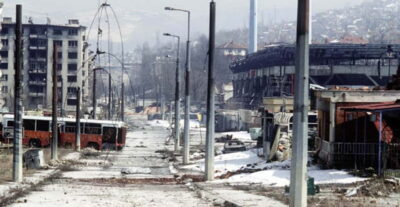
One of the most memorable parts of the route is the drive along the street known as Sniper Alley, described as one of the most dangerous parts of Sarajevo during the 1990s.
The name is blunt, and the guide explains why the road mattered. It was a major route through the city, but movement along it exposed people to sniper fire. Ordinary tasks such as crossing a road, reaching work, or carrying supplies could become life-threatening.
Do not expect a dramatic attraction here. The power comes from looking at an ordinary urban road while hearing what it meant during the siege. Present-day traffic and buildings can make the past feel distant, so the guide’s narration is essential.
This section also shows why a guided drive is practical. You can cover several war-related places in a short period, without trying to work out the route by public transportation. The tunnel area is not as direct to reach independently, and going alone would leave you without the local explanation that ties the streets together.
Same country, a completely different kind of day:
- Sarajevo: Mostar, Konjic, Blagaj Tekke, Pocitelj & Waterfall
★ 4.9 · 1,666 reviews - Sarajevo: Grand Walking Tour Through Time and Cultures
★ 4.8 · 1,236 reviews - Sarajevo: Mostar, Konjic, Sufi House, Pocitelj & Kravice Falls
★ 5.0 · 1,179 reviews - ROSES OF SARAJEVO (Official WAR + CITY tour)- Story of a Survivor
★ 5.0 · 770 reviews
Inside the Tunnel of Hope Museum
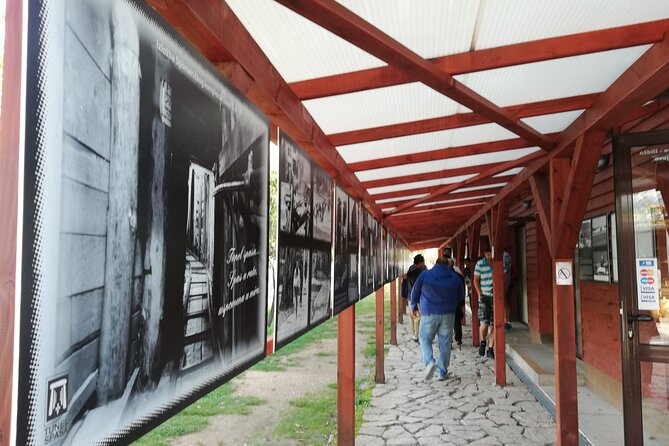
The main stop is the Tunnel of Hope Museum, where you spend about 1 hour and 15 minutes exploring the exhibits and tunnel section.
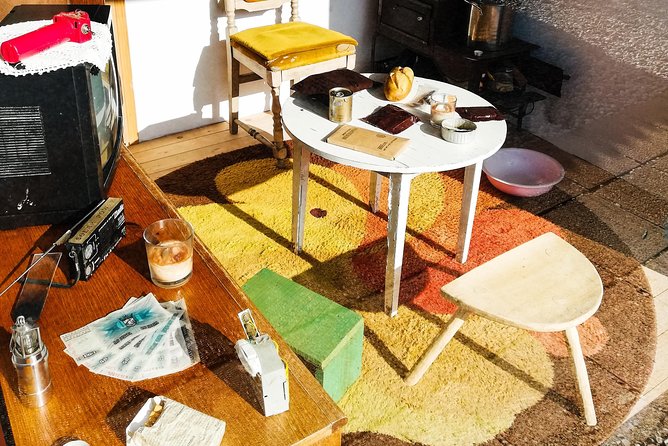
The museum explains how the passage was constructed, what it was used for, and why it mattered to people trapped inside Sarajevo. Exhibits cover the conflict and include a video about the role of the United Nations during the siege.
The original wartime tunnel ran under the airport runway and was narrow enough to feel claustrophobic. Information from the tour indicates that the original passage cannot generally be accessed in full because of safety and airport-security concerns. A reconstructed section provides a safer way to understand its cramped conditions.
Access can vary, and some accounts describe limited entry into part of the original passage as well as time in a replica. You should treat the reconstructed section as the reliable part of the visit and not book this expecting a long walk through the original tunnel.
The replica is wider and taller than the original, but it still gives you a physical sense of the tight passage. That matters. Photographs and maps explain the operation, but walking through even a recreated section helps you picture people carrying supplies through a low, confined corridor.
The museum is modest rather than polished. Its value lies in the direct evidence and the setting. You are not visiting an abstract war exhibition in a distant city. You are near the route that once linked besieged Sarajevo with the outside world.
The guide makes the difference
The museum provides the physical setting, but the guide shapes how much you take from it.
Several guides connected with the tour have personal memories of the siege. Nermin has been described as a former police officer who lived through the conflict. Safet has been praised for answering questions patiently and offering practical suggestions for food and cafés. Haris has led tours in Spanish as well as other languages, though this specific experience is offered in English.
You may hear personal accounts from someone who was a child during the war, worked as a police officer, or served in another role during the siege. That does not replace historical research, and personal memory has its own limits. But it adds a human scale that a display case cannot provide.
The guides also answer questions during the drive, and some tours run longer than the stated 2.5 hours when the group has many questions. Do not count on extra time, since the official duration is approximate, but the format allows for conversation rather than a rushed script.
This is where the tour earns its price. You can reach the Tunnel Museum by taxi or public transportation, but you would miss the explanation of the streets, the buildings, and the daily choices people faced during the siege.
What the $25.40 price really covers
The listed price is $25.40 per person. It includes transportation and a licensed guide, but it does not include entry to the Tunnel of Hope Museum.
Adult admission is listed as 20 BAM, or about €10.50, and student admission as 8 BAM, or about €4.50. Add that fee when comparing the total cost with other Sarajevo war tours.
For the combined transport, city drive, guide, and museum visit, I consider the price reasonable. The tour is especially good value if you have only a short stay in Sarajevo. You get a focused history experience in roughly half a day, without arranging a taxi or figuring out the route yourself.
The value depends heavily on the guide. A strong guide can turn the drive into a moving lesson about the siege. A less engaging presentation would leave you with a short museum visit and a series of drive-by landmarks. The consistently strong guide feedback is encouraging, but no tour can guarantee a particular guide.
The maximum group size is 20. If you prefer a private, slow-paced experience, this may feel too structured. If you want efficient transport and a clear introduction to Sarajevo’s wartime past, the size is workable.
Who should take this tour
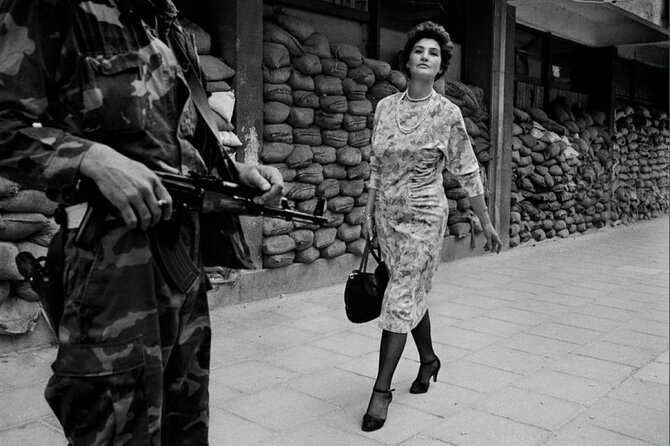
I would choose this tour if you want to understand Sarajevo beyond its cafés, Ottoman streets, Austro-Hungarian buildings, and mountain views. The city is beautiful and welcoming today, but the siege remains central to its modern identity.
It suits:
- First-time visitors with limited time
- People interested in the Bosnian War and the breakup of Yugoslavia
- History students and museum-focused travelers
- Visitors who want a guide with possible first-hand experience
- Solo visitors who prefer organized transport to the tunnel
- Anyone who wants context before exploring Sarajevo independently
It may not suit you if you want a relaxed scenic outing, a broad tour of Bosnia, or a long list of interior visits. Most city landmarks are viewed from the vehicle, and the subject matter is heavy.
You should also allow for the fact that the tour requires good weather and a minimum number of participants. If the activity is canceled for either reason, you are offered another date, another experience, or a full refund.
Practical advice before you go
Wear comfortable clothing and shoes for the museum and tunnel section. The original passage was extremely narrow, and even the recreated area is meant to give you a sense of confinement rather than comfort.
Bring questions. The guides are used to discussing the siege, daily life, the tunnel’s construction, and the city’s recovery. Questions about the buildings you pass can make the driving portion much more useful.
Set aside at least the full 2.5 hours, even if the tour sometimes runs longer. It begins and ends at the central office, which makes it easy to fit into a day of Sarajevo sightseeing.
Museum admission is not part of the advertised tour price, so keep 20 BAM for an adult ticket or the student rate if it applies. Free cancellation is available until 24 hours before the start time. Cancellations or changes within 24 hours are not refunded or accepted.
Should you book the Tunnel of Hope Tour?
Yes, if you want a compact but serious introduction to Sarajevo’s siege. The Tunnel Museum alone is worth seeing, but the drive through Sniper Alley and past the city’s wartime landmarks gives it meaning. The strongest guides add personal memories that you could not get from a self-guided visit.
Book it early if your dates are fixed. The experience is often booked around two weeks ahead, and departures depend on a minimum group size. I would choose this tour over an independent visit if your time is limited or if you want the city’s recent past explained clearly.
Skip it only if you are looking for light sightseeing or if you prefer to spend several hours walking through every site at your own pace. For most visitors who want to understand what Sarajevo endured, this is one of the most useful short tours in the city.
FAQ
Where does the Tunnel of Hope Tour begin?
It begins at Sarajevo Insider, City Tours and Excursions, at Zelenih beretki 30 in central Sarajevo.
Where does the tour end?
The tour ends back at the original meeting point on Zelenih beretki 30.
How long does the tour last?
The stated duration is approximately 2 hours and 30 minutes. Some departures may last longer if the guide spends extra time answering questions.
Is the tour offered in English?
Yes. English is the listed language for this experience.
Is transportation included?
Yes. Transportation and a licensed guide are included in the tour price.
Is admission to the Tunnel of Hope Museum included?
No. Museum admission is extra. Adult admission is listed as 20 BAM, or about €10.50, and student admission is 8 BAM, or about €4.50.
How many people can join the tour?
The maximum group size is 20 people.
Can I cancel for a full refund?
Yes, if you cancel at least 24 hours before the experience start time. Cancellations or changes made less than 24 hours before the start time are not refunded or accepted.
What happens if the tour is canceled?
If poor weather or an insufficient minimum number of participants causes cancellation, you are offered a different date or experience, or a full refund.
Just added around Sarajevo
- Sarajevo Under Siege: A War History Tour★ 5.0 · 10 reviews
- Private Full Day Safari Tour★ 5.0 · 8 reviews
- WAR TUNNEL – Sarajevo’s only way of a communication during the WAR – Top secret★ 5.0 · 12 reviews
- Ultimate Gastro Experience★ 4.5 · 14 reviews
- Mysterious Visoko Pyramids Driving and Walking Tour★ 5.0 · 7 reviews
- Secret Tito’s Bunker/Konjic Tour★ 5.0 · 4 reviews
- The Secret Lifeline: Sarajevo’s War Tunnel Tour★ 5.0 · 6 reviews
- Crossroads of Cultures – Sarajevo Walking Tour★ 5.0 · 8 reviews
Sarajevo War Tunnel Tours, compared.

Fall of Yugoslavia, Sarajevo War Tour with Tunnel of Hope Museum and Frontlines
Read our review →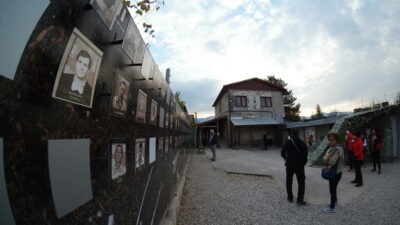
Sarajevo Grand Tour: Old Town, War Tunnel, Olympic Sites & More
Read our review →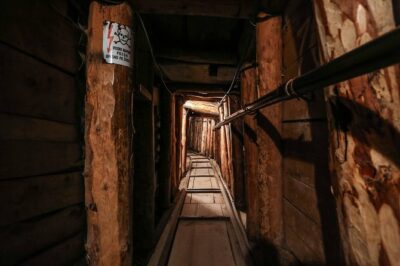
Times of Misfortune – Life Under Siege and the Tunnel of Hope
Read our review →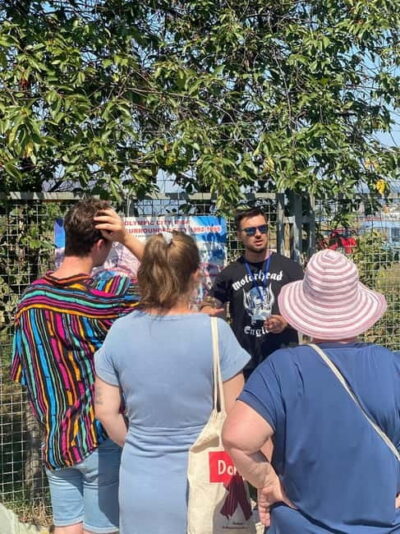
Sarajevo Grand Tour: 5 Hours Old Town, War Tunnel, Olympics
Read our review →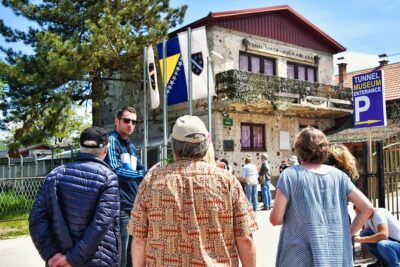
WAR TUNNEL – Sarajevo’s only way of a communication during the WAR – Top secret
Read our review →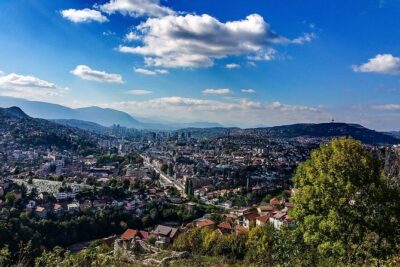
SARAJEVO SIEGE TIMES ’92-’95 / Sarajevo Roses & Tunnel of Hope /
Read our review →Browse the lists this tour appears in