
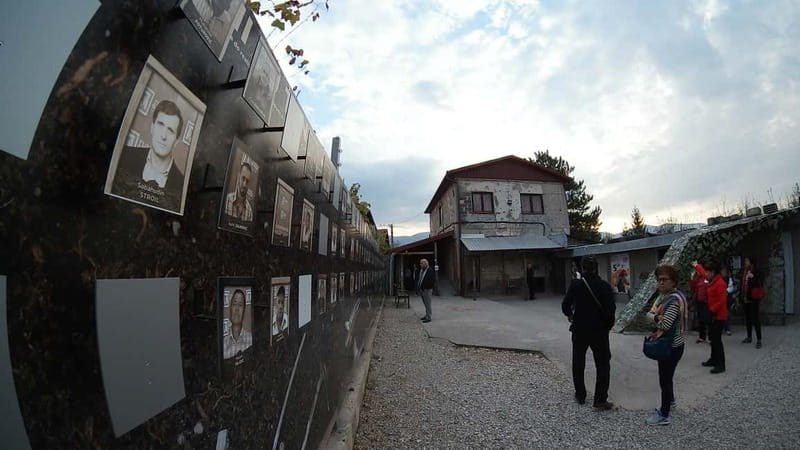
Reviewed · SARAJEVO WAR TUNNEL TOURS
Sarajevo: Tunnel of Hope Tour – Survival and Resilience
The most powerful part of this Sarajevo tour comes underground, where you walk about 100 meters of the Tunnel of Hope, the narrow passage that kept a besieged city connected to the outside world. The museum is small, but its meaning is enormous: supplies, messages, and people passed through this lifeline while Sarajevo lived under fire.
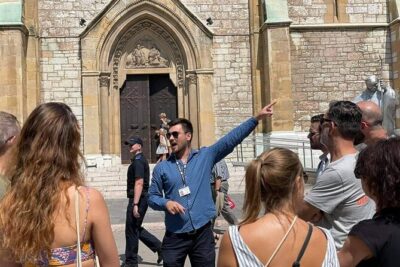
I like two things in particular. First, the drive is not dead time. Your guide points out the Markale Market, the Presidency Building, the TV Building, and other wartime sites along the way. Second, guides such as Nermin, a former police officer and tunnel user, can explain the siege through personal experience rather than a list of dates.
The main consideration is that the original tunnel is not open for the full walk. You visit the museum and a preserved section or replica, so anyone expecting to explore the entire wartime passage should adjust expectations. The $22 tour price also excludes the museum ticket, which costs 20 BAM for adults or 8 BAM for students.
Key points to know before booking
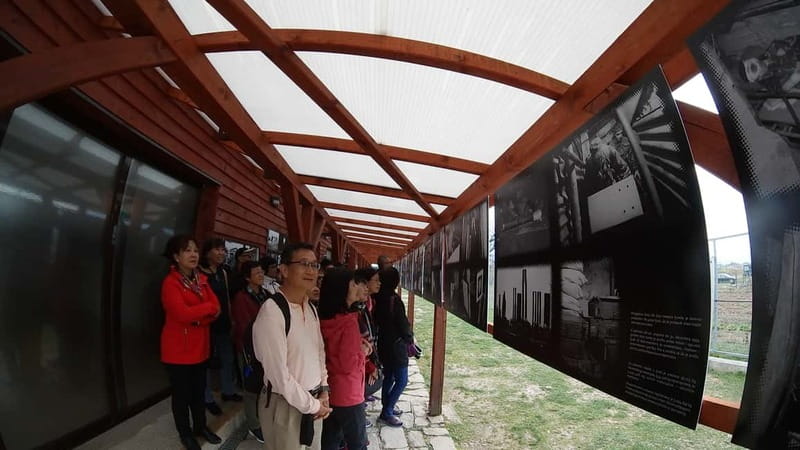
- The tunnel is a replica section: You walk roughly 100 meters, while the original passage beneath the airport runway is closed for safety reasons.
- Personal wartime accounts matter here: Guides including Nermin, Adis, and Safte have been praised for explaining events with firsthand insight and care.
- The city tour adds real context: Markale Market, the Presidency Building, the TV Building, and other sites help connect the museum to Sarajevo itself.
- The tour takes 150 minutes: Plan on about 30 minutes through the city, one hour at the tunnel, 15 minutes of free time, and 30 minutes back.
- Budget for the entrance fee: The $22 price covers the guide and transport, but not the 20 BAM adult museum ticket.
- This is a serious history visit: The subject concerns civilian suffering during war and may be upsetting.
Sarajevo’s siege, explained through places you can see
Sarajevo is often introduced through its Ottoman streets, Austro-Hungarian buildings, and Olympic memories. This tour adds the harder chapter. In 1984, the city hosted the Winter Olympics. Only eight years later, it became the center of the longest siege in modern warfare.
That contrast gives the tour its emotional force. You are not studying a distant conflict in an isolated museum. You are moving through a living city where markets, government buildings, roads, and broadcast centers became part of a struggle for survival.
The guide-led format is especially useful if you know little about the Bosnian War. You receive the wider political background, the events that led to the war, an explanation of the siege, and some sense of what followed. The strongest guides also pause for questions instead of treating the drive as a speech from start to finish.
Nermin is one guide whose name appears often in connection with this experience. He is described as a former police officer, war veteran, and someone who used the tunnel himself. Adis and Safte are also praised for thoughtful and detailed explanations. Guide assignments can change, but the tour is built around local guides who can speak about Sarajevo with personal connection.
That personal connection does not replace careful history. It adds another layer. A guide who lived through the siege can explain what a place meant to residents, not simply what happened there. You may hear about danger, shortages, movement through the tunnel, and the ingenuity people used to keep daily life going.
More sarajevo war tunnel tours in Sarajevo:
- Fall of Yugoslavia, Sarajevo War Tour with Tunnel of Hope Museum and Frontlines
★ 5.0 · 1,314 reviews - Sarajevo: Tunnel Museum Yugoslavia War Tour with War Veteran
★ 5.0 · 1,111 reviews - Tunnel Museum: Bosnian & Yugoslav Wars Tour with War Veteran
★ 5.0 · 551 reviews
The 30-minute drive through wartime Sarajevo
The tour starts at the Sarajevo Insider office at Zelenih beretki 30, in the central part of the city. From there, you board modern transportation for the ride toward the Tunnel of Hope.
The first half-hour works as a moving introduction to Sarajevo. You pass the Markale Market, a place strongly tied to the suffering and resilience of the city. You also see the Presidency Building, associated with Bosnia and Herzegovina’s wartime leadership, and the TV Building, which served as a key broadcasting hub during the siege.
Depending on the route and the guide, the drive may also include views of places connected with sniper fire and wartime media work. Several guides have used the journey to point out locations that are easy to miss when you explore Sarajevo alone. This is one reason I would choose the guided trip over simply taking a taxi to the museum.
Pay attention during this section. The drive helps you understand that the siege was not just a single museum story. Roads, public buildings, markets, and communication centers all had strategic importance. A good explanation turns an ordinary street into evidence of how the city functioned under extreme pressure.
The amount of commentary can be substantial. Guides have been described as talking throughout the outward and return drives, which is helpful if you want a full historical explanation. If you prefer quiet sightseeing, you may find the pace intense. Ask questions or let the guide know if you need a short pause to take in what you are seeing.
Inside the Tunnel of Hope Museum
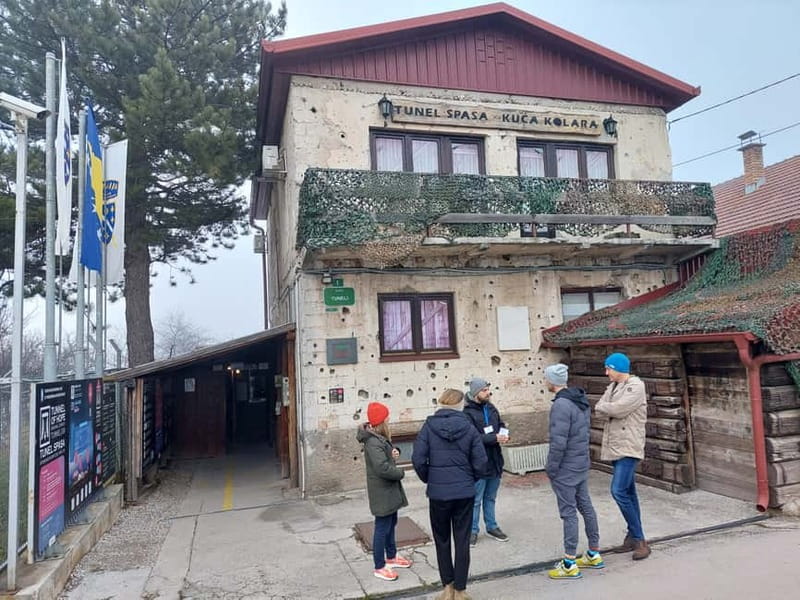
The museum sits beside the house where the tunnel entrance was located. This setting makes the story easier to grasp. The passage was not built as a polished public attraction. It was a practical lifeline created under terrifying conditions, linking Sarajevo with territory beyond the siege lines through a route beneath the airport runway.
At the museum, your guide explains the tunnel’s strategic role. It carried supplies and communication and allowed people and essential materials to reach the isolated city. The passage helped Sarajevo resist being completely cut off from the outside world.
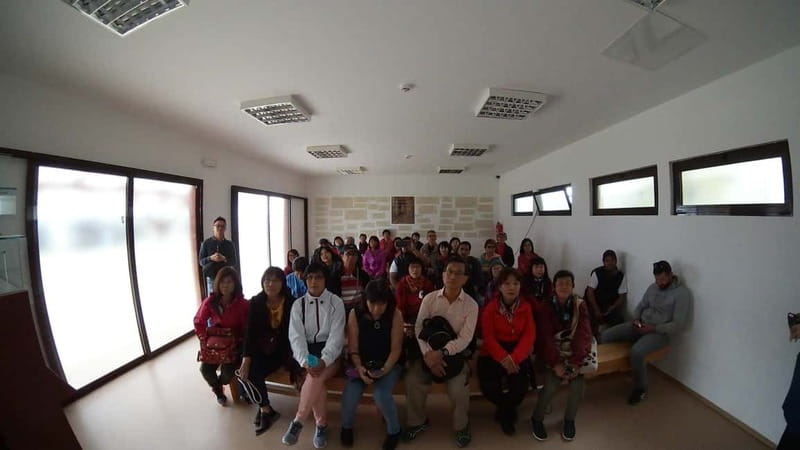
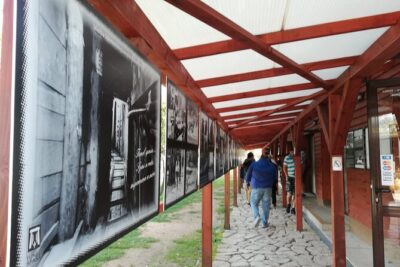
The visit lasts about one hour, including the guided portion. Expect a mix of historical explanation, wartime material, and documentary footage shown at the house. The films add useful background, while the physical tunnel provides the clearest sense of the conditions people faced.
You walk approximately 100 meters through the tunnel section open to visitors. It is narrow and basic by design. Wear comfortable shoes and clothes, and do not bring oversize luggage or large bags. Pets, alcohol, and drugs are not allowed.
Here is an important detail to understand before you arrive: you do not walk the complete original wartime tunnel. Part of the original route beneath the airport runway has been closed because underground water weakened it and raised safety concerns for the airport. The accessible section is a replica or preserved reconstruction, depending on the portion being shown.
That does not make the visit pointless. The value comes from the scale, the setting, and the explanation of how the tunnel worked. Still, if the physical authenticity of an untouched wartime structure is your main reason for booking, this distinction matters.
Fifteen minutes to look around on your own
After the guided visit, you get about 15 minutes of free time. Use it to revisit the displays, watch any documentary material you missed, and look more closely at the house and tunnel entrance.
This short period is enough for a second look, but it is not generous. If you read every panel slowly, you may need to choose what matters most. I would listen carefully during the guide’s explanation first, then spend the free time on the objects or images that caught your attention.
The museum visit can be emotionally heavy. The subject is civilian suffering, scarcity, fear, and survival. You may find that the small tunnel section affects you more than the displays because the physical space gives the story a human scale.
Facilities may be basic. One visitor specifically found the toilets difficult to manage, especially for women, so plan ahead rather than relying on a long comfort stop at the museum.
Same country, a completely different kind of day:
- Sarajevo: Mostar, Konjic, Blagaj Tekke, Pocitelj & Waterfall
★ 4.9 · 1,666 reviews - Sarajevo: Grand Walking Tour Through Time and Cultures
★ 4.8 · 1,236 reviews - Sarajevo: Mostar, Konjic, Sufi House, Pocitelj & Kravice Falls
★ 5.0 · 1,179 reviews - ROSES OF SARAJEVO (Official WAR + CITY tour)- Story of a Survivor
★ 5.0 · 770 reviews
The return drive and the wider story
The ride back to Sarajevo takes about 30 minutes and includes more guided sightseeing. This is when you can ask about details you noticed on the outward journey or clarify parts of the war that were not clear.
A strong guide will connect the tunnel to the city’s wider story. The passage was not an isolated engineering feat. It depended on people digging, carrying, organizing, broadcasting, guarding, and taking risks. The tour’s best moments come when those efforts are explained as a collective act of survival rather than as a single heroic story.
Some tours have included an extra stop such as the Yellow Fortress, but this is not guaranteed in the stated route. Treat it as a possible addition, not part of the fixed promise. The listed city stops are the Markale Market, Presidency Building, TV Building, and other pass-by locations during the bus portion.
The tour returns to the Sarajevo Insider office. Its schedule is compact, so you can fit it into a day that also includes the old town, museums, or a meal in the center.
What the $22 price really covers
At $22 per person, this is a reasonable price for a 150-minute experience that includes a licensed guide and modern transportation. The transport matters because the tunnel is outside the central sightseeing area, and the guide’s commentary begins before you reach the museum.
You must add the entrance ticket:
- Adult: 20 BAM, listed as about €10.50
- Student: 8 BAM, listed as about €4.50
That makes the total cost higher than the headline price, but the package still offers solid value if you want context rather than a simple transfer to the museum. The tour also avoids the uncertainty of finding transport and arranging the visit on your own.
Carry cash for the entrance fee. One visitor noted that, in October 2025, the office accepted cash only for the 20 BAM ticket. Payment arrangements can change, so it is sensible to confirm when booking, but arriving with convertible marks is the safest plan.
The experience has received a 4.8 rating from 630 reviews, and the transport score is particularly strong, with 92 percent giving it a perfect mark. That matches the practical side of the tour: a modern minibus, a central meeting point, and a start that is generally described as punctual.
Free cancellation is available up to 24 hours before the tour for a full refund. You can also reserve now and pay later, which helps if your Sarajevo schedule is still shifting.
Languages, walking, and who should skip it
The tour is offered with live guides speaking English, Bosnian, German, French, Italian, and Spanish. Ask for your preferred language when checking availability, since the guide language depends on the departure.
You should be comfortable walking through about 100 meters of tunnel and standing during parts of the museum visit. Comfortable shoes are a must. The experience is not suitable for wheelchair users or people with mobility impairments.
Large bags and oversize luggage are not allowed. Bring only what you need for the short outing. Comfortable clothing is more useful than anything formal.
I would recommend this tour to you if you want to understand Sarajevo beyond its architecture and food. It suits visitors who value local explanation, recent European history, and personal accounts. It is also a good choice if you have already visited other war museums in Sarajevo and Mostar but still feel you are missing the practical story of how the city stayed alive.
Families with older teenagers may find it worthwhile, though parents should decide how much wartime material their children can handle. The subject is disturbing, and the tour does not soften the suffering of Sarajevo’s citizens.
You may prefer a self-guided visit if you want to move at your own pace, avoid emotionally direct storytelling, or spend a long time reading museum displays. You will miss much of the surrounding city context, but you will have more control over your time.
My take: book it for the guide, not just the tunnel
I would book this tour if your goal is to understand how Sarajevo survived the siege. The tunnel itself is short, and part of what you see is a replica. The real strength lies in the combination of the museum, the city drive, and a guide such as Nermin who can explain what the tunnel meant to people who actually depended on it.
Book it with realistic expectations. You are not entering an untouched underground passage for hours. You are visiting a compact museum, walking a 100-meter section, and hearing the story placed into the city around you.
Add the 20 BAM adult ticket to your budget, bring cash, wear shoes suited to a narrow passage, and allow yourself time afterward to process the visit. If you want a clear, human account of Sarajevo’s wartime survival, this is one of the most useful excursions in the city.
FAQ
How long does the Tunnel of Hope tour last?
The tour lasts 150 minutes, or 2.5 hours. The schedule includes about 30 minutes of city sightseeing on the way to the tunnel, one hour at the Sarajevo Tunnel, 15 minutes of free time, and about 30 minutes on the return journey.
What is included in the $22 price?
The price includes a licensed tour guide and modern transportation. It does not include admission to the Tunnel of Hope Museum.
How much is the Tunnel of Hope Museum entrance fee?
The adult ticket costs 20 BAM, listed as approximately €10.50. The student ticket costs 8 BAM, listed as approximately €4.50.
Is the original Tunnel of Hope open to walk through?
You walk about 100 meters of the tunnel section available at the museum. The original passage beneath the airport runway is closed for safety reasons, so you should expect a replica or preserved section rather than access to the entire original tunnel.
Where does the tour meet?
The meeting point is the Sarajevo Insider Tour Office at Zelenih beretki 30, Sarajevo 71000, Bosnia and Herzegovina.
Which languages are available?
Live guides are available in English, Bosnian, German, French, Italian, and Spanish. Check the departure details for your preferred language.
Is the tour suitable for wheelchair users?
No. The experience is not suitable for wheelchair users or people with mobility impairments. You should also bring comfortable shoes and clothes for the walk through the tunnel.
Just added around Sarajevo
- Sarajevo Under Siege: A War History Tour★ 5.0 · 10 reviews
- WAR TUNNEL – Sarajevo’s only way of a communication during the WAR – Top secret★ 5.0 · 12 reviews
- Private Full Day Safari Tour★ 5.0 · 8 reviews
- Ultimate Gastro Experience★ 4.5 · 14 reviews
- Mysterious Visoko Pyramids Driving and Walking Tour★ 5.0 · 7 reviews
- Secret Tito’s Bunker/Konjic Tour★ 5.0 · 4 reviews
- The Secret Lifeline: Sarajevo’s War Tunnel Tour★ 5.0 · 6 reviews
- Crossroads of Cultures – Sarajevo Walking Tour★ 5.0 · 8 reviews
Sarajevo War Tunnel Tours, compared.

Fall of Yugoslavia, Sarajevo War Tour with Tunnel of Hope Museum and Frontlines
Read our review →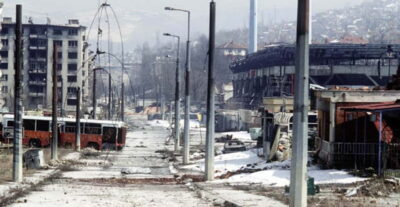
Sarajevo Grand Tour: Old Town, War Tunnel, Olympic Sites & More
Read our review →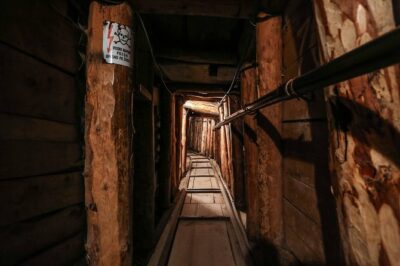
Times of Misfortune – Life Under Siege and the Tunnel of Hope
Read our review →
Sarajevo Grand Tour: 5 Hours Old Town, War Tunnel, Olympics
Read our review →
WAR TUNNEL – Sarajevo’s only way of a communication during the WAR – Top secret
Read our review →
SARAJEVO SIEGE TIMES ’92-’95 / Sarajevo Roses & Tunnel of Hope /
Read our review →Browse the lists this tour appears in