
Reviewed · SARAJEVO WAR TUNNEL TOURS
SARAJEVO SIEGE TIMES ’92-’95 / Sarajevo Roses & Tunnel of Hope /
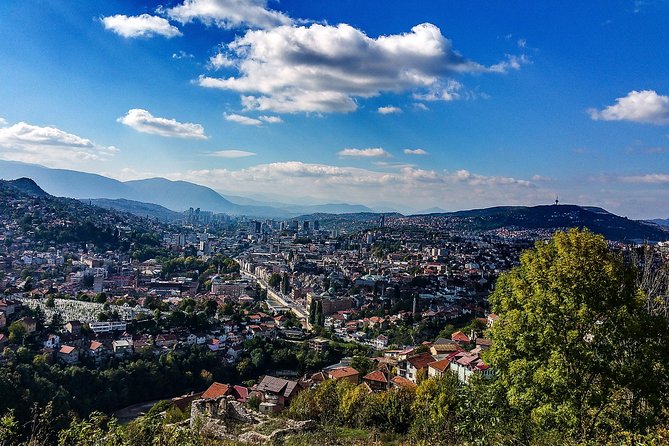
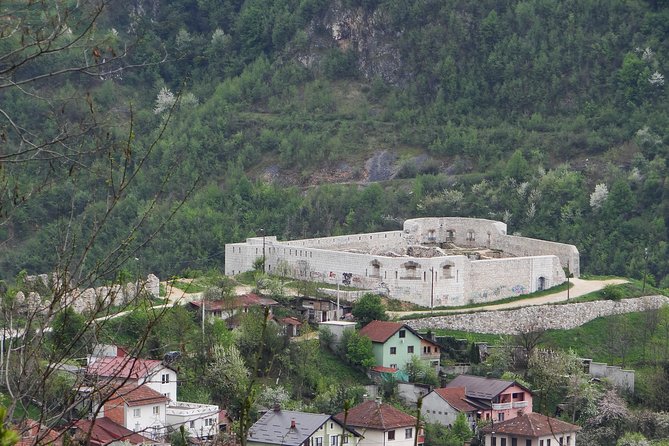
Sarajevo’s siege becomes easier to understand when you see the hills, roads, cemeteries, and buildings that shaped it. This private tour takes you from the Yellow Fortress to the former front line at Trebević, then into the Tunnel of Hope, the narrow wartime passage that kept Sarajevo connected to the outside world.
I like the direct, personal guiding style of Faruk, who lived through the war as a young teenager. I also like the route’s variety: you get city views, a museum visit, a forested Olympic site, and sniper-position history in one compact morning. The main drawback is that the tour moves quickly, and the €10 Tunnel of Hope entrance fee is not included in the advertised price.
Key points at a glance
- Personal war memories from Faruk: His experience as a teenager gives the tour an unusually human point of view.
- Five important Sarajevo sites: The route links the Yellow Fortress, Tunnel of Hope, Trebević viewpoint, Olympic bobsled track, and Jewish Cemetery.
- A clear view of the city’s geography: Hilltop stops help you understand how Sarajevo was surrounded during the siege.
- Private transport and hotel pickup: Your own group participates, with pickup available from hotels or private accommodation.
- A serious but not joyless morning: The subject is painful, yet Faruk’s friendly manner and humor help keep the experience approachable.
- Extra cost to plan for: Tunnel entry is €10 per person, despite the general admission wording in the tour details.
Why this Sarajevo war tour matters
The Sarajevo siege lasted from 1992 to 1995 and left its mark on nearly every part of the city. You are not simply being shown a collection of wartime sites. You are being shown how Sarajevo’s position between steep hills and narrow roads shaped daily life, military strategy, and the danger of crossing town.
I find this kind of tour most useful when a city’s past is difficult to understand from monuments alone. At the Yellow Fortress, you can look down over the Sarajevo valley and begin to see why the surrounding heights mattered. From the hills, the city appears compact and exposed. The view provides a basic map before the more detailed explanations begin.
The tone is serious, as it should be. Still, this is not presented as a grim lecture from start to finish. Faruk is described as friendly, intelligent, and good-humored, while also speaking from personal experience. That combination can make hard material easier to absorb without making light of it.
The tour is private, so you are not tied to the pace or questions of a large group. That matters here. You may want to pause, ask about a location, or spend a moment taking in a view. A private setting also gives the guide more room to explain the geography in a way that fits your level of interest.
More sarajevo war tunnel tours in Sarajevo:
- Fall of Yugoslavia, Sarajevo War Tour with Tunnel of Hope Museum and Frontlines
★ 5.0 · 1,314 reviews - Sarajevo: Tunnel Museum Yugoslavia War Tour with War Veteran
★ 5.0 · 1,111 reviews - Sarajevo: Tunnel of Hope Tour – Survival and Resilience
★ 4.8 · 630 reviews
Yellow Fortress: Sarajevo from above
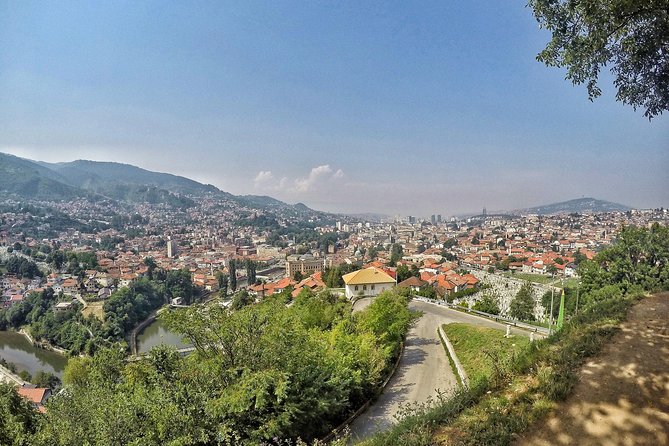
The morning begins with pickup at 8:30 a.m. from your hotel or private accommodation. The first stop is the Yellow Fortress, where you get a view across Sarajevo and an introduction to the city’s modern political and military past.
Allow about 20 minutes here. That is enough time for an orientation, a look across the valley, and an explanation of the fall of Yugoslavia and the first stages of the conflict. The stop is short, so do not expect a long visit devoted to every detail. Its value is the setting.
From this high point, you can begin to grasp the basic shape of the siege. Sarajevo was surrounded by elevated positions, and the city below became exposed to shelling and sniper fire. The guide uses the view to explain how the hills and roads were used, rather than treating the war as a series of disconnected events.
I would pay close attention to the explanation of sniper street crossings. Ordinary errands became dangerous calculations. People had to consider which streets were exposed, where they could move quickly, and when it was safest to leave shelter. This is one of the moments when the tour shifts from military history to the practical reality of civilian life.
The stop also introduces the idea of Sarajevo’s long civilian resistance. The tour refers to approximately 4,500 days of civilian protest against the war in Bosnia and Herzegovina and the former Yugoslavia. The wording is unusual, so you may wish to ask Faruk for clarification as he explains the period.
The siege explained through daily life
The middle part of the tour focuses on what it meant to live in a city under siege. The guide explains the first attacks, the way streets were divided by sniper fire, and the effects of the conflict on ordinary people.
This is where Faruk’s age during the war becomes important. His memories are not those of a distant historian. He experienced the siege as a young teenager, so his account can connect large political events with the fear, restrictions, and uncertainty of everyday life.
One subject is the international failure to stop the killing. The tour includes discussion of the siege and the way a single explosion became an image seen around the world, while innocent people continued to die. This section is likely to be emotionally difficult, but it also gives you a better sense of why Sarajevo remains such an important place for understanding the wars that followed Yugoslavia’s breakup.
You should come prepared for plain and painful descriptions. This is not a light sightseeing trip with a few dramatic photographs added. The purpose is to show how warfare affected civilians, movement, transport, food, safety, and access to the outside world.
Tunnel of Hope: Sarajevo’s wartime lifeline
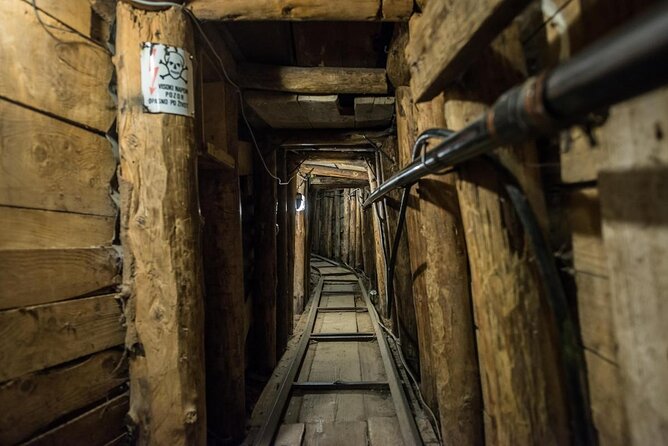
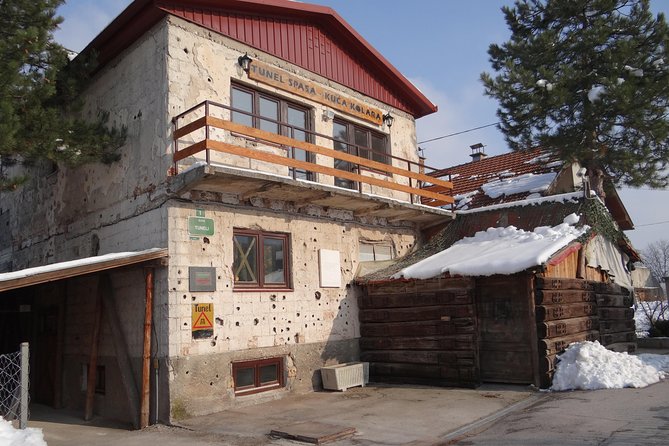
The Tunnel of Hope is the central stop, with about one hour allotted. During the siege, this tunnel provided the only connection from Sarajevo to the rest of Bosnia and the wider world. It functioned as a vital route when ordinary roads were blocked or too dangerous.
The visit helps explain why the tunnel mattered beyond its physical size. A narrow passage can look modest compared with a fortress or a large military site. Its importance came from what it allowed: movement in and out of the city and a link to supplies and people beyond the siege lines.
You should expect a museum-style visit and an explanation of the tunnel’s role during the 1993 to 1995 period. The tour information lists an entrance charge of €10 per person, paid separately. Budget for that fee before you book, since it is the main extra cost clearly identified.
The tunnel is the most concentrated part of the morning. It gives physical form to the idea of Sarajevo being cut off. I would not rush this stop. Listen to the guide’s explanation, notice the confined setting, and connect it with what you have already seen from the city’s hills.
The tour details also state that admission is included, while separately noting the €10 tunnel fee. Because those two points conflict, confirm the current payment arrangement before departure. In practical terms, bring enough money for the tunnel entrance.
More sarajevo siege tours in Sarajevo:
- Tunnel Museum: Bosnian & Yugoslav Wars Tour with War Veteran
★ 5.0 · 551 reviews - Sarajevo: Bosnian War & Fall of Yugoslavia Tour with Tunnel
★ 4.9 · 398 reviews - Sarajevo War Tour: A Veteran’s Story of the Siege (fees included)
★ 5.0 · 326 reviews - Sarajevo: Srebrenica Genocide Study Tour with War Veteran
★ 5.0 · 263 reviews
Trebević Vidikovac and the former war line
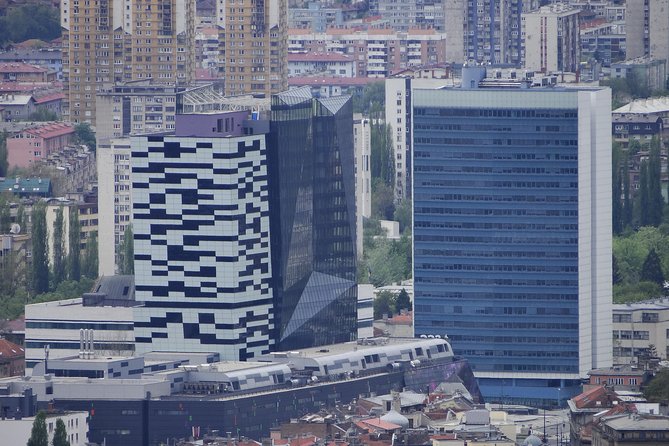
Trebević Vidikovac is a short stop of about 15 minutes, but the view makes it worthwhile. You look across the Sarajevo valley from a position associated with the former war line.
I like this stop because it reinforces the geography introduced at the Yellow Fortress. Seeing the city from another height helps you understand how Sarajevo could be enclosed by surrounding positions. It also gives you a chance to step back from the more enclosed tunnel visit.
The time here is brief, so treat it as a viewpoint and orientation stop rather than a long walk. Weather matters. The tour requires good weather, and poor conditions can lead to a new date or a full refund. On a clear morning, this should be one of the best opportunities for wide views across the valley.
Olympic bobsled track: sport turned into a front line
The Sarajevo Olympic bobsled and luge track receives about 50 minutes. Built for the 1984 Winter Olympics, it later became part of the war line during the siege.
The contrast is striking. A place created for international sport and celebration was pulled into a conflict only a few years later. The guided walk lets you see the track as both an Olympic remnant and a wartime position.
You should wear comfortable shoes for this section. The tour describes it as an adventure walk, so it is more active than simply stepping out for a photograph. The information provided does not give a precise distance or terrain description, so anyone concerned about walking should ask the operator before booking.
This stop gives the tour a useful change of pace. After the difficult material at the tunnel, walking along the track lets you consider how quickly a city’s familiar spaces can be given a new purpose. I find that contrast more effective than visiting only formal war museums.
Jewish Cemetery and the first sniper fire
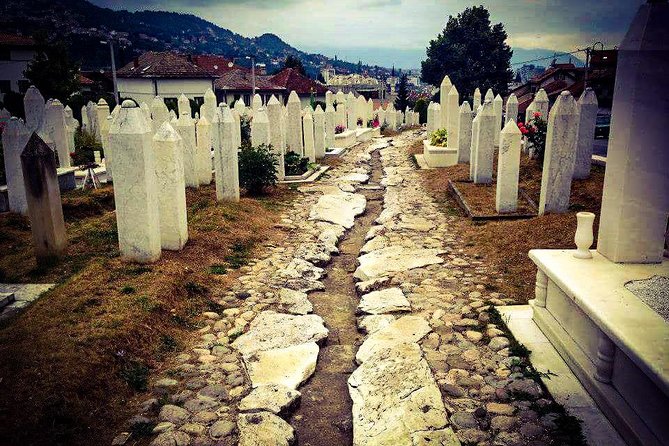
The final stop is the Jewish Cemetery, with about 20 minutes for the visit. The focus here is on sniper positions and the first sniper shots aimed at civilians.
The cemetery’s location makes it another place where the physical setting matters. The guide uses the site to explain sightlines and danger, helping you connect the position of the hills with the streets below. It is not just a cemetery visit. It is also a lesson in how exposed civilian routes could become.
Because the stop is short, expect a focused explanation rather than a long independent visit. The subject may feel heavy at the end of the morning, but it ties together the main themes: civilians caught in the middle, hills used for military advantage, and ordinary city spaces transformed by war.
What the private format adds
This is a private activity, meaning only your own group participates. That is a strong advantage for a subject that often raises personal questions. You can ask Faruk to explain a street, a hill, or a term without worrying about interrupting a large group.
Hotel and private accommodation pickup is offered. You need to provide the name of your hotel or the address of your accommodation so the morning pickup can be arranged. The start time is 8:30 a.m., and the complete experience lasts about three to four hours.
The tour is offered in English and is near public transportation. Most people can participate, although the bobsled-track walk means comfortable footwear is sensible. The available details do not specify wheelchair access, child pricing, or exact vehicle arrangements, so ask about those points if they affect your plans.
The compact schedule suits a first morning in Sarajevo when you want a strong introduction to the siege before spending the afternoon on other city sights. It may not satisfy you if you want long, quiet visits at every location. The route covers a lot in a short time.
Is $47.66 good value?
At $47.66 per person, the price is reasonable for a private three to four hour tour with pickup, a dedicated guide, and several important sites. You are paying not only for transport between scattered hilltop locations, but also for the explanations that connect them.
The value depends heavily on your interest in modern Sarajevo. If the siege is a major reason for your visit, the combination of personal testimony and physical locations makes the price easier to justify. If you only want general sightseeing, much of the morning may feel intense.
Remember the extra €10 for the Tunnel of Hope. That charge changes the final cost, but the tunnel is also the stop most likely to justify the added expense. I would treat it as part of the real budget rather than an unexpected surprise.
The tour’s high rating comes from its personal approach, and that is the feature I would value most. Faruk’s experience as a young teenager during the war gives the morning a human center. The guide’s friendly manner and humor also help balance the difficult subject.
Who should book this experience?
I would recommend this tour to you if you want to understand Sarajevo through its wartime geography. It is especially useful for first-time visitors who have limited time and want the major siege sites explained in one morning.
It also suits anyone who prefers a private experience over a large group. You will have more freedom to ask questions, and the route can feel more personal because the guide is speaking directly to your group.
You should think twice if you want a relaxed sightseeing outing, dislike emotionally difficult subjects, or prefer to explore each site at leisure. The tour deals with civilian deaths, sniper fire, military positions, and the failure to stop the violence. It is worthwhile, but it is not casual.
The walking section at the Olympic track also deserves attention. Most people can participate, but the tour includes an active walk rather than only vehicle-based stops. Ask the operator if you have mobility concerns or need more detail about the route.
Booking, weather, and cancellation advice
You receive confirmation when booking, unless you reserve within 10 hours of departure. In that case, confirmation arrives as soon as possible and depends on availability.
Free cancellation is available until 24 hours before the start time for a full refund. Changes or cancellations made within 24 hours are not accepted for a refund. Cutoff times follow local Sarajevo time.
Good weather is required. If poor weather forces cancellation, you can receive a different date or a full refund. The experience also requires a minimum number of participants, and if that minimum is not reached, you are offered another date, another experience, or a full refund.
Should you book the Sarajevo Siege Times tour?
Yes, if you want a serious, place-based explanation of Sarajevo’s 1992 to 1995 siege, especially one shaped by a guide who lived through it. The Yellow Fortress and Trebević viewpoints explain the city’s position, the Tunnel of Hope shows how Sarajevo stayed connected, and the Olympic track and Jewish Cemetery add two very different wartime settings.
Book it with three things in mind: the morning is emotionally demanding, the schedule is fairly tight, and the €10 tunnel fee is extra. If those points suit you, this is a strong way to understand Sarajevo beyond its cafés, bridges, and old streets.
FAQ
How long does the tour last?
The experience lasts approximately three to four hours.
What time does the tour start?
The scheduled start time is 8:30 a.m.
Is hotel pickup available?
Yes. Pickup is available from hotels and private accommodations. You need to provide the hotel name or accommodation address in advance.
Is the tour private?
Yes. Only your own group participates in the activity.
What language is the tour offered in?
The tour is offered in English.
Is entrance to the Tunnel of Hope included?
The tour information lists a €10 entrance fee to the Tunnel of Hope as not included. Confirm the current arrangement because the general inclusion details also refer to admission being included.
How much does the tour cost?
The listed price is $47.66 per person, with the Tunnel of Hope entrance fee charged separately.
Can I cancel for a full refund?
Yes, if you cancel at least 24 hours before the experience starts. Cancellations or changes made less than 24 hours before the start time are not refunded.
Just added around Sarajevo
- Sarajevo Under Siege: A War History Tour★ 5.0 · 10 reviews
- Private Full Day Safari Tour★ 5.0 · 8 reviews
- WAR TUNNEL – Sarajevo’s only way of a communication during the WAR – Top secret★ 5.0 · 12 reviews
- Ultimate Gastro Experience★ 4.5 · 14 reviews
- Mysterious Visoko Pyramids Driving and Walking Tour★ 5.0 · 7 reviews
- Secret Tito’s Bunker/Konjic Tour★ 5.0 · 4 reviews
- The Secret Lifeline: Sarajevo’s War Tunnel Tour★ 5.0 · 6 reviews
- Crossroads of Cultures – Sarajevo Walking Tour★ 5.0 · 8 reviews
Sarajevo War Tunnel Tours, compared.

Fall of Yugoslavia, Sarajevo War Tour with Tunnel of Hope Museum and Frontlines
Read our review →
Sarajevo Grand Tour: Old Town, War Tunnel, Olympic Sites & More
Read our review →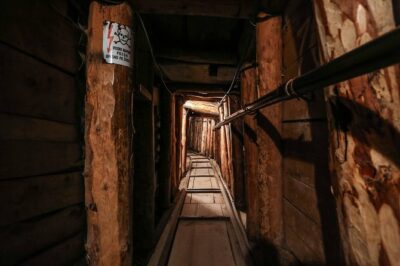
Times of Misfortune – Life Under Siege and the Tunnel of Hope
Read our review →
Sarajevo Grand Tour: 5 Hours Old Town, War Tunnel, Olympics
Read our review →
WAR TUNNEL – Sarajevo’s only way of a communication during the WAR – Top secret
Read our review →Browse the lists this tour appears in